REVIEW · WALKING TOURS
Budapest: Hammer & Sickle Communism Walking Tour
Book on GetYourGuide →Operated by Absolute Tours · Bookable on GetYourGuide
Communism in Budapest can feel unreal—until you walk it. This Hammer & Sickle tour takes you through the streets where everyday life under Soviet-style rule played out, including what people did for work, school, and paperwork. I also like how the licensed guide turns big political events into human-scale stories. One thing to plan for: it’s about two hours of continuous walking, so it can feel like a workout rather than a sit-down history lesson.
My second favorite part is the pairing of key locations with a real emotional anchor: the 1956 Revolution exhibition stop. You’re not just hearing dates. You’re being shown how people reacted, protested, and kept pushing back during a time when the rules were harsh. And the walk connects those ideas to places you can still see today, especially around Parliament and the Soviet-era memorials.
If you have limited mobility, that walking time is the main concern to take seriously. Also, the tour runs in all weather, so comfortable shoes and weather gear matter more than usual. Bring layers, expect wind and drizzle at street level, and you’ll enjoy the pace and the meaning much more.
In This Review
- Key things I’d circle on your plan
- Starting in Deák Ferenc Square: Finding the pale-yellow Lutheran Church
- A 2.5-hour communist walking route through Pest’s story streets
- Everyday communism: Trabant reality, work spirits, passports, and school life
- The 1956 Revolution exhibition stop and the street protests behind it
- Liberty Square Soviet Memorial and Parliament: How to read the symbols in place
- Guide energy and the real value of a $72 walking tour
- Who should book, and who should pick a different plan
- Should you book the Budapest Hammer & Sickle Communism Walking Tour?
- FAQ
- FAQ
- Where is the meeting point?
- How long is the tour?
- Is there a lot of walking?
- What does the tour include?
- What language is the tour offered in?
- What places do you visit during the tour?
- Is pickup available?
- Is it suitable for children or people with mobility issues?
Key things I’d circle on your plan
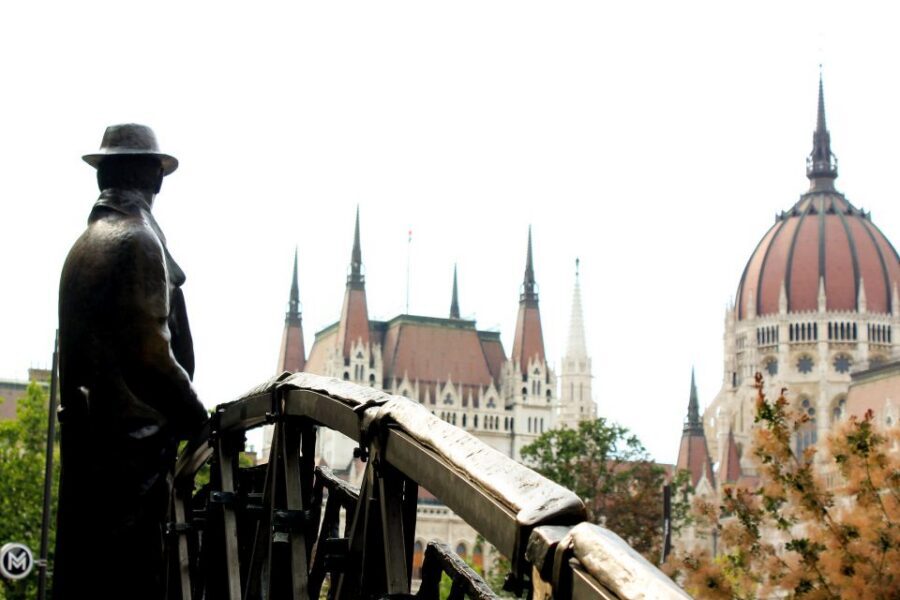
- Deák Ferenc tér meeting point: Get oriented fast at the pale-yellow Lutheran Church steps on Deák Ferenc ter.
- A real 1956 stop: You visit an exhibition tied to the revolution and hear how the street protests unfolded.
- Everyday communism details: You learn about practical stuff like passports, school life, and workday routines.
- Soviet symbolism in Liberty Square: You’ll see the Liberty Square area with the last Soviet monument.
- Parliament-area walking: The route links ideology to the political center of Hungary.
- Coffee, tea, or a soft drink: A small break that helps on a walking-heavy 2.5 hours.
Starting in Deák Ferenc Square: Finding the pale-yellow Lutheran Church
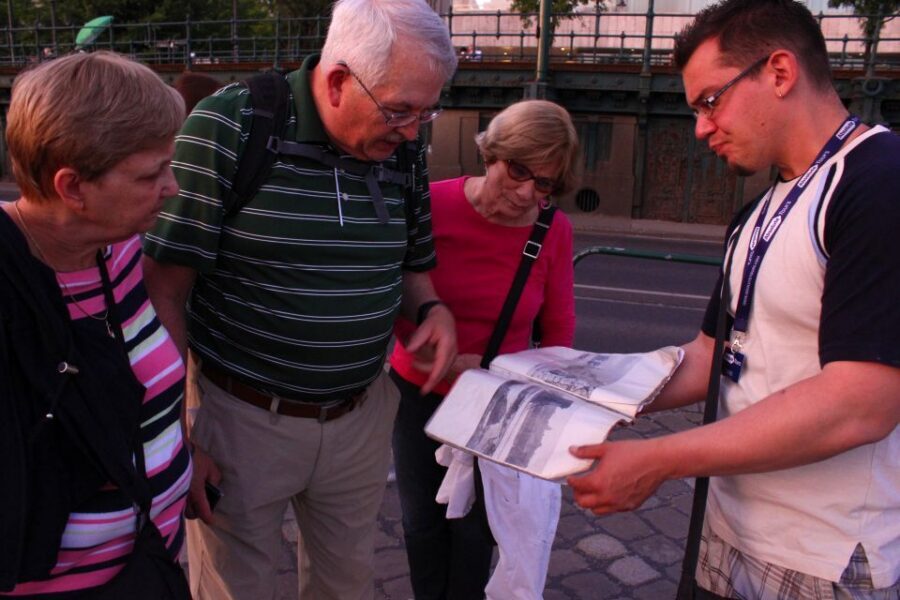
The tour starts in downtown Budapest at 1052 Budapest, Deák Ferenc ter 4, right in front of the Lutheran Church (a pale yellow building), on the church steps. This is a smart launch point. Deák Ferenc tér is easy to reach and central enough that you can arrive with minimal stress.
Once you’re there, you can get your bearings quickly before the walking starts. The tour is set up for a steady flow rather than a lot of waiting around, and starting at a clear, obvious landmark makes a difference when you’re navigating in a new city.
One practical tip: wear shoes you’re truly comfortable in. You’ll be on your feet for most of the time, and the tour is designed around continuous movement through Pest. Think “history walk” first, “museum day” second.
You can also read our reviews of more walking tours in Budapest



A 2.5-hour communist walking route through Pest’s story streets
This is a 2.5-hour tour, and the core of it is about two hours of continuous walking. That structure changes what kind of experience it is. You’ll hear context as you move, and you’ll also get the small-street feel of the neighborhoods tied to historic action.
The walking route focuses on Pest downtown, in and around where events happened and where the political symbolism still shows up. You’re not doing huge sightseeing loops with long breaks. Instead, you’re getting a guided narrative while the city slips by at walking pace.
Because the tour runs in all weather conditions, you’ll want clothing that handles wind and sudden changes. Budapest can be temperamental, and when you’re outside for hours, that matters. Bring layers and plan to stay warm even if the sun pops out for a bit.
If you’re hoping for a slow, flexible stroll with lots of photo stops and time to browse, you might find the pace tighter than you expect. But if you like the energy of moving and learning at the same time, it fits well.
Everyday communism: Trabant reality, work spirits, passports, and school life
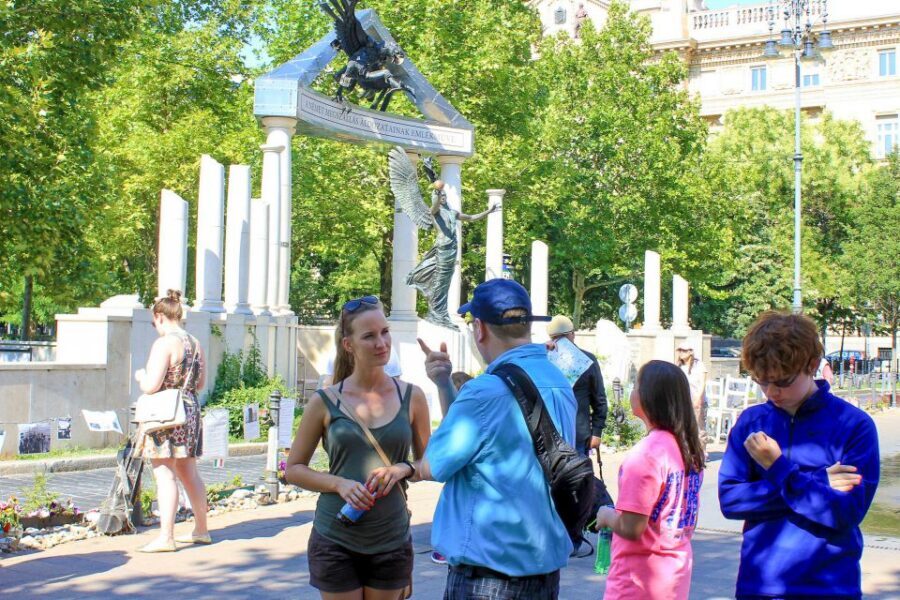
The most compelling part of this tour is how it explains communism not as an abstract system, but as something that shaped ordinary daily routines. You’ll hear what life looked like behind the Iron Curtain—especially the practical negotiations people had to make to get through the day.
The tour covers topics like:
- How to get a passport
- What school life was like
- How workdays worked, including the reality of spirits at work
- The vibe of driving Trabant cars in communist-era Hungary
This is the stuff that makes the political story feel real. Instead of only hearing about leaders and policies, you’re seeing how rules affected time, paperwork, and even what people did after-hours. It’s also why this tour works well even if you already know some European communist history. You get a Hungary-specific lens on the details.
One helpful angle: the guide keeps tying the everyday to the system behind it. That connection is what helps you remember the lessons later, when you’re walking past modern streets and trying to understand what used to sit there.
The 1956 Revolution exhibition stop and the street protests behind it
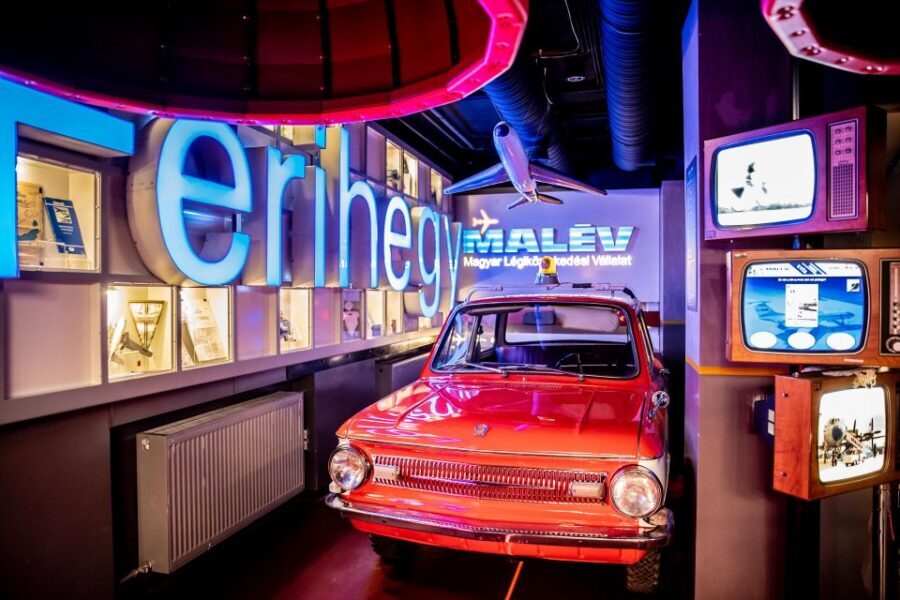
A major highlight is an exhibition connected to the 1956 Revolution. This stop matters because 1956 isn’t just a distant event you read about once and move on. It’s a turning point that shaped Hungary’s relationship with Soviet power, and it’s remembered with strong emotion.
On the tour, you’ll also hear stories about the first protests—how people reacted and how the fight back began under an unethical regime. You’ll then connect that context to a smaller exhibition that commemorates the revolution’s violent clashes, including the idea of volleys referenced during the discussion.
This is a good example of how the tour balances meaning with facts. If all you did was walk past monuments, you’d miss what people were actually responding to. The exhibition break gives you a focused moment where the guide can slow down the story and help you understand what you’re seeing.
If you’re someone who likes history with cause-and-effect, this stop delivers. It explains what changed, why it mattered, and how the memory of 1956 still shows up in public life.
Liberty Square Soviet Memorial and Parliament: How to read the symbols in place
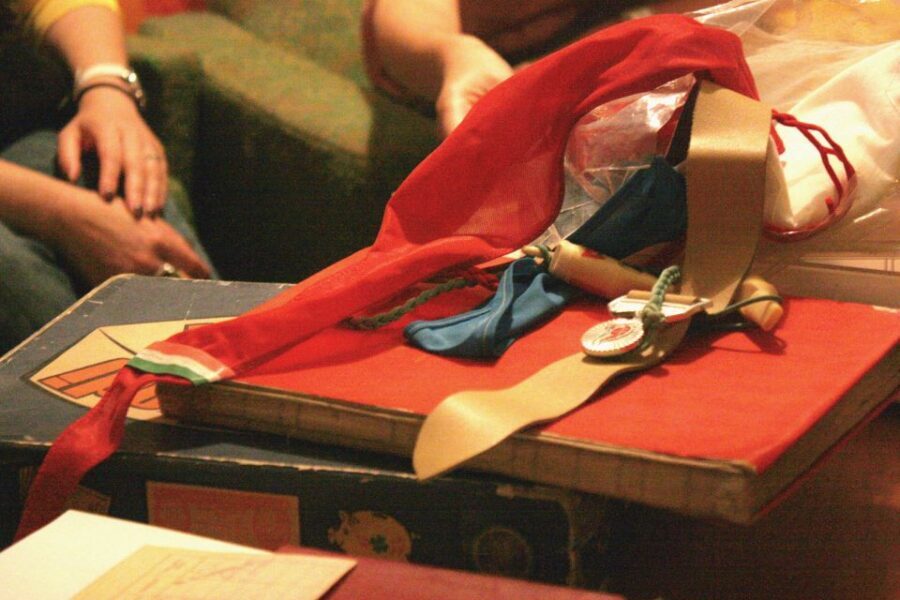
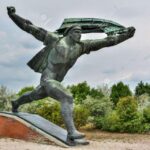
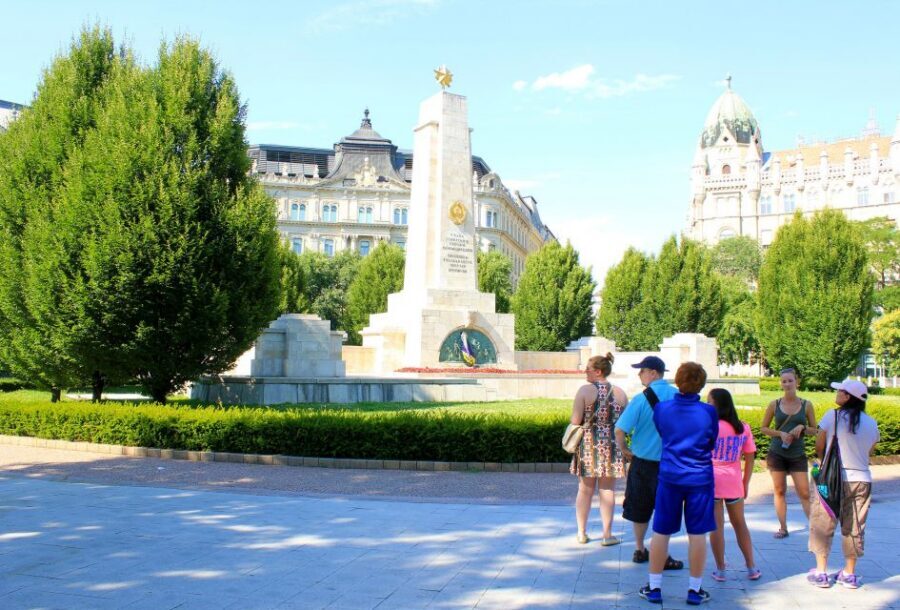
The route builds toward two major visual anchors: the Hungarian Parliament area and Liberty Square, including the Soviet Memorial connection—specifically described as the last Soviet monument in the square.
This is where the tour becomes almost like learning a new language. You’re taught how to interpret symbols. Communist power wasn’t only enforced through laws and policing. It also appeared in public space: monuments, official messages, and city planning choices.
By the time you reach Liberty Square, you’re not just seeing a landmark. You’re understanding what the landmark represented to the regime and what it means now in Budapest’s public memory. That shift—from ideology to interpretation—is what turns photos into understanding.
And then there’s Parliament. Walking to the Parliament area after hearing about suppression and resistance helps you see the contrast in a very physical way. On one side: enforced systems and Soviet influence. On the other: Hungary’s national identity, visible in its political center.
The tour doesn’t ask you to memorize a timeline. It helps you connect place to power. That’s valuable because Budapest is full of layers, and most visitors need a guide to connect the dots quickly.






Guide energy and the real value of a $72 walking tour
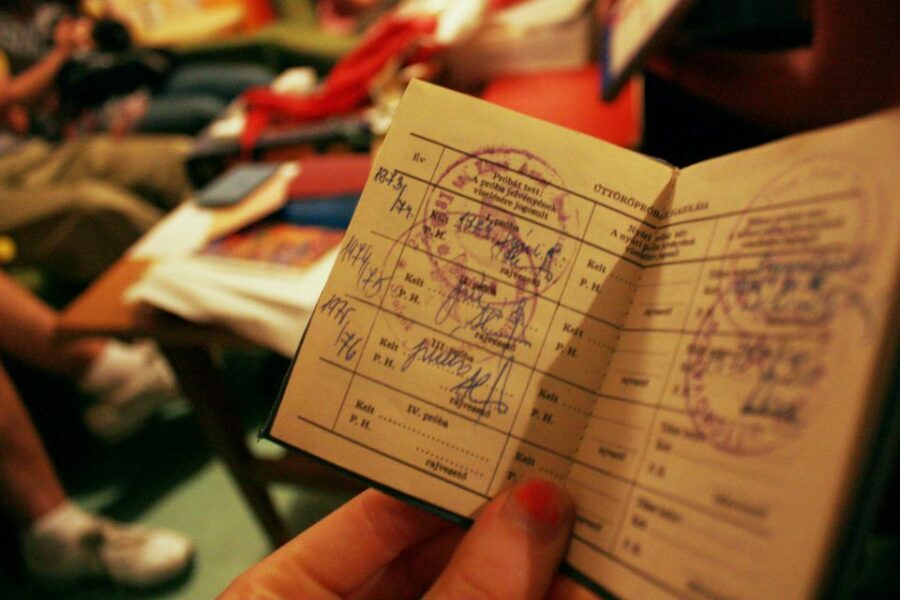
This tour is priced at $72 per person for about 2.5 hours, including a licensed expert guide and refreshment (coffee, tea, or a soft drink). For Budapest, this is the kind of cost that makes sense if you care about context and you’ll actually use the guide’s storytelling.
Where the value shows up:
- You’re getting history tied to specific streets, not generic facts.
- The guide explains day-to-day impacts, like passports and school life.
- The tour includes a short refreshment, which matters on a walking-heavy schedule.
- You get small-group or private options depending on what you book.
In reviews, one guide name comes through: George. He’s described as personable and informative, with strong conversation-style storytelling. That’s the style you want on a tour like this—someone who can handle heavy topics without turning them into a lecture.
That said, not every guide experience is identical. One report mentioned less enthusiasm and a talk that felt less well structured. So if you’re the type who wants high energy and lots of back-and-forth, consider choosing your time slot thoughtfully and be ready to focus on the historical content even if the delivery feels more measured.
Overall, though, $72 feels fair when you factor in the licensed guidance, the historical stops (including the 1956 exhibition), and the fact that you’re walking through key symbolic areas that take time to understand on your own.
Who should book, and who should pick a different plan
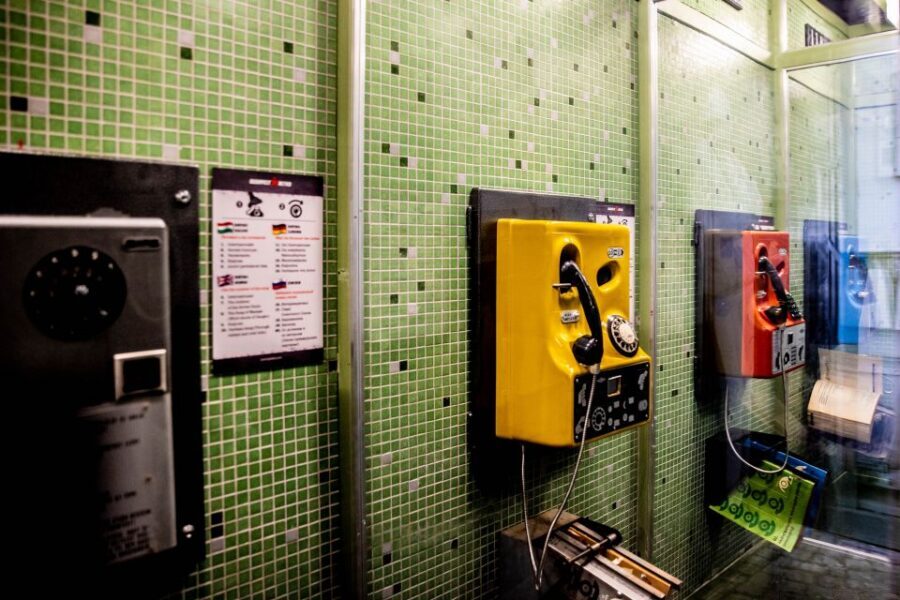
This tour fits best if you:
- Want Hungary-focused communist history, not just a general European overview
- Like walking tours where you learn as you go
- Prefer real-world context tied to monuments and districts
- Enjoy stories that explain everyday effects, like paperwork and school life
It may not fit if you:
- Need a mostly seated experience. The tour includes two hours of continuous walking.
- Are traveling with someone under 14 years, since it’s not recommended for children under 14.
- Have mobility impairments, since it isn’t suitable for that.
If you’re strong on walking and you want a sharper understanding of Budapest beyond the typical postcard sights, this is a great use of a couple of hours. It’s also a good add-on if you plan to visit museums afterward, because it gives you a narrative spine.
Should you book the Budapest Hammer & Sickle Communism Walking Tour?

I’d book it if you want a practical, place-based way to understand what Soviet-era communism meant in daily life—and how Hungary pushed back in moments like 1956. The combination of street walking, the 1956 Revolution exhibition stop, and the Liberty Square/Soviet memorial area makes this more than a casual history chat.
Skip it (or look for a different format) if your top priority is comfort and minimal walking. This one is built around steady movement and all-weather operation, and that walking time is the main trade-off.
If you’re heading into Budapest curious about what you see in monuments and street-level symbols, this tour gives you the keys to read the city faster—and with fewer guesses.
FAQ
FAQ
Where is the meeting point?
Meet your guide at 1052 Budapest, Deák Ferenc ter 4, in front of the Lutheran Church (pale yellow), on the church steps.
How long is the tour?
The tour lasts 2.5 hours.
Is there a lot of walking?
Yes. The tour includes 2 hours of continuous walking.
What does the tour include?
It includes a licensed expert guide and refreshment (coffee, tea, or a soft drink).
What language is the tour offered in?
The live tour guide speaks English.
What places do you visit during the tour?
You walk through Pest downtown and go to areas including Liberty Square (with the Soviet memorial) and the Hungarian Parliament area, plus an exhibition about the 1956 Revolution.
Is pickup available?
Pickup is optional. If you book with pickup, you enter your centrally located accommodation details at booking.
Is it suitable for children or people with mobility issues?
It’s not recommended for children under 14 and it’s not suitable for people with mobility impairments.