REVIEW · WALKING TOURS
Budapest: Guided Walking Tour of Pest
Book on GetYourGuide →Operated by Cityrama Budapest Travel Agency · Bookable on GetYourGuide
Budapest’s Pest side teaches you how the city thinks. This 2-hour walking tour strings together big icons and calmer side streets, so you get the main sights without losing the plot. I especially like how it pairs landmark architecture with clear explanations, from St. Stephen’s Basilica to the Danube waterfront.
Two things I’d repeat: you see Budapest’s largest cathedral up close, and you get a guided look at the world’s third largest Parliament building plus nearby landmarks like Liberty Square. One possible drawback is that the tour is mainly about orientation and what to look for, so if you’re hoping to spend extra time inside or right up against every façade, you may wish it lingered longer at a couple stops.
In This Review
- Key Highlights You’ll Actually Feel While Walking
- Why Pest’s Big Sights Land Better on Foot
- Meeting at Molnár’s Kürtőskalács and Getting Oriented Fast
- St. Stephen’s Basilica: Budapest’s Largest Cathedral Up Close
- Chain Bridge and the Danube Bank: How the City Faces the Water
- The Parliament Building: Why the World’s Third Largest Matters
- House of Hungarian Art Nouveau and Other Architectural Detours
- Liberty Square and a Street Market: A More Lived-In Pest
- Rain or Shine: What That Means for Your Day
- English Guide Energy: From Facts to Friendly Momentum
- Price and Value: How $16 Works for a 2-Hour Pest Walk
- Who This Tour Suits Best
- Should You Book This Walking Tour of Pest?
- FAQ
- Where is the meeting point for the tour?
- How long is the Budapest guided walking tour of Pest?
- Is the tour offered in English?
- Are entrance fees included?
- Does the tour run if it rains?
- What is the price?
- Can I cancel and get a refund?
Key Highlights You’ll Actually Feel While Walking
- St. Stephen’s Basilica: Budapest’s largest cathedral, with dramatic scale that you only notice once you’re near it.
- Chain Bridge and the Danube Bank: perfect for understanding the city’s layout and riverside views.
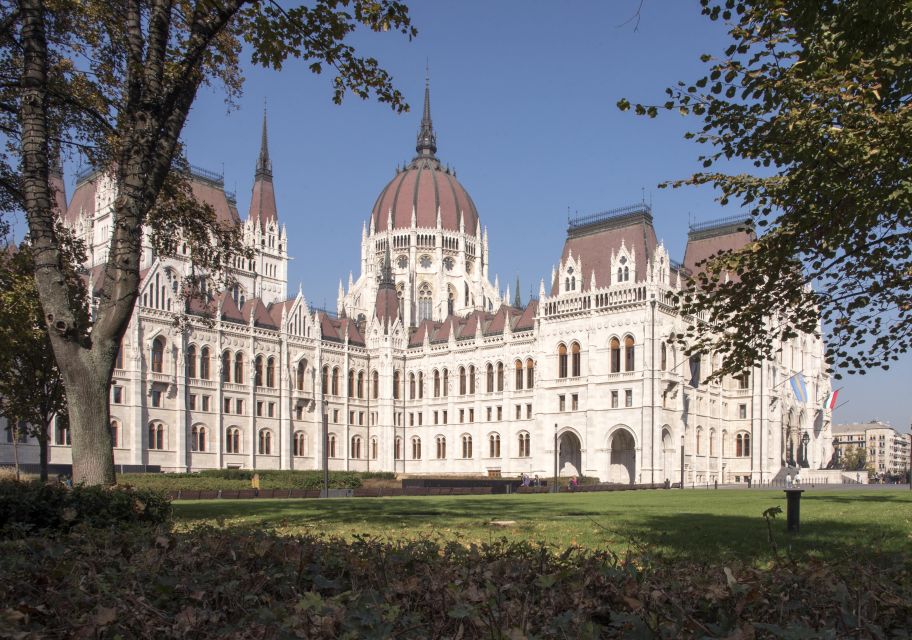
- Hungarian Parliament: you’ll get context around the building you’ve seen in photos, including why it’s so important.
- Liberty Square plus a street market: a more everyday slice of Pest energy.
- Step away from crowded buses: a smaller, feet-on-the-ground pace that’s easier to manage.
Why Pest’s Big Sights Land Better on Foot
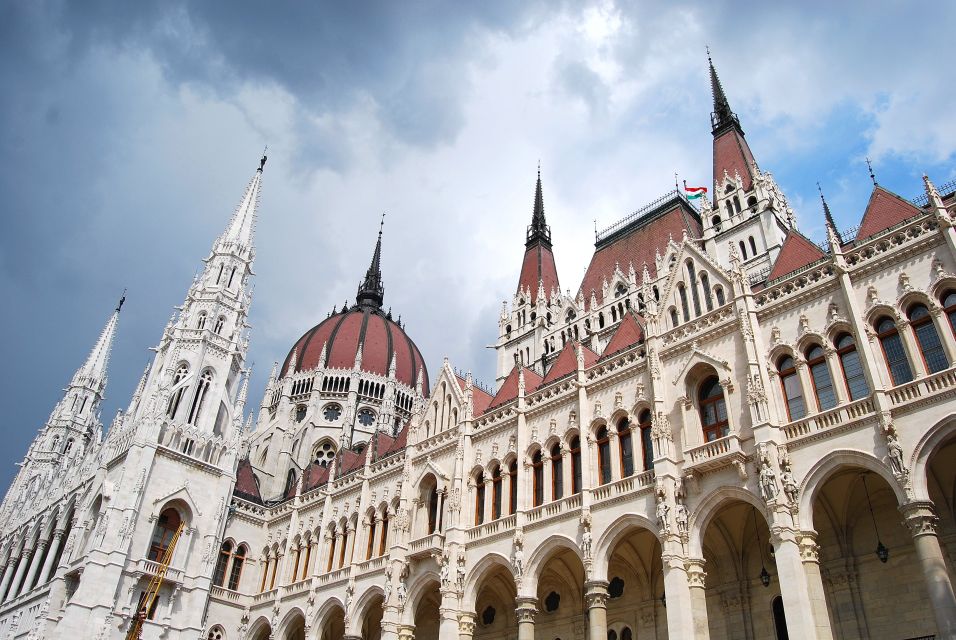
Budapest splits neatly into two characters: Buda’s hills and Pest’s grand civic streets. On a walking tour like this, Pest makes more sense fast, because you’re not just viewing monuments—you’re seeing how they connect across the city grid.
I like that the route mixes heavyweight landmarks with smaller details like alleyways and side streets. That matters because Budapest can feel like a postcard until you understand the geography. Walking ties it together: you start to notice alignments, sight lines, and why certain buildings sit where they do.
The pacing is also right for a short stopover. At 2 hours, you can still do other plans the same day, instead of committing to a half-day of sightseeing that pushes everything else off the map.
You can also read our reviews of more walking tours in Budapest



Meeting at Molnár’s Kürtőskalács and Getting Oriented Fast

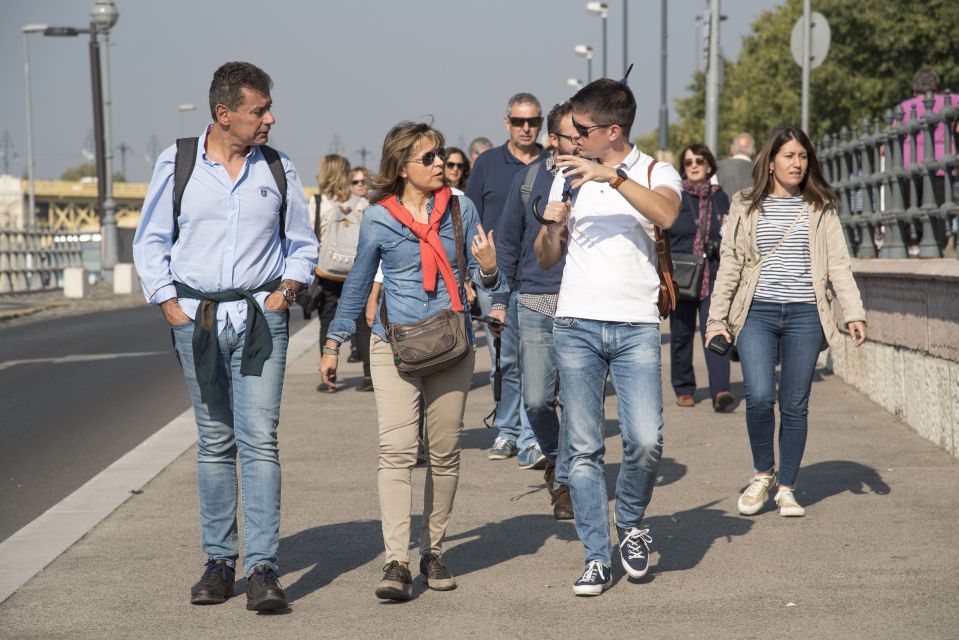
You’ll meet at Molnár’s Kürtőskalács, a smart start point for two reasons. First, it’s easy to find in central Pest, so you’re not burning time hunting the group. Second, it puts you in the middle of the city’s everyday rhythm from the moment you begin.
Once you meet your English-speaking live guide, the tour moves quickly into its “where you are and why it matters” mode. That’s a big deal on a city like Budapest, where architecture looks similar at a distance but changes dramatically street by street.
Even if you only plan to do one guided walk in town, this kind of orientation helps you later—when you decide which direction to roam on your own.
St. Stephen’s Basilica: Budapest’s Largest Cathedral Up Close
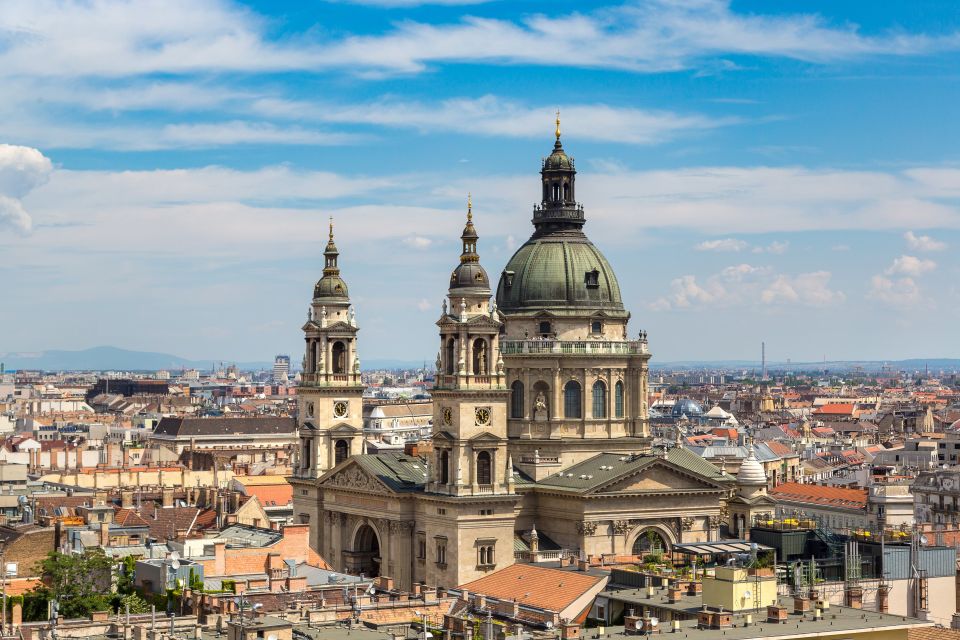
One of the headline stops is St. Stephen’s Basilica, and it earns its attention. From far away, domes are impressive; close up, you understand the cathedral’s sheer presence and how it anchors the surrounding streets.
This is also the stop where the guide explanations do real work. You’re not just being told a fact sheet—you’re being guided to notice architectural choices and what they were meant to communicate. That makes photos better too, because you’ll know what you’re photographing besides the obvious.
If you’re the type who likes to recognize buildings on sight afterward, this is the kind of stop that sticks. You’ll likely walk away with a clear mental image of the basilica’s scale and its role in Pest’s civic identity.
Chain Bridge and the Danube Bank: How the City Faces the Water
Next comes one of Budapest’s most recognizable crossings: the Chain Bridge. It’s credited as the city’s oldest suspension bridge, and standing near it helps the legend make sense. The structure isn’t just a photo backdrop; it’s part of the way Pest and Buda are visually connected.
From there, you’ll stroll along the Danube Bank. This part is about perspective. The river is a big clue to Budapest’s “story,” because so many important buildings and districts face the water.
I like this sequence because it changes your view of the city. Instead of moving from monument to monument, you start reading the city as a whole system—bridge, riverfront, street grid, and landmark placements.
Tip: bring your phone camera, but also take a few seconds to look without it. The river setting rewards slow attention, especially around bridge sight lines.
The Parliament Building: Why the World’s Third Largest Matters
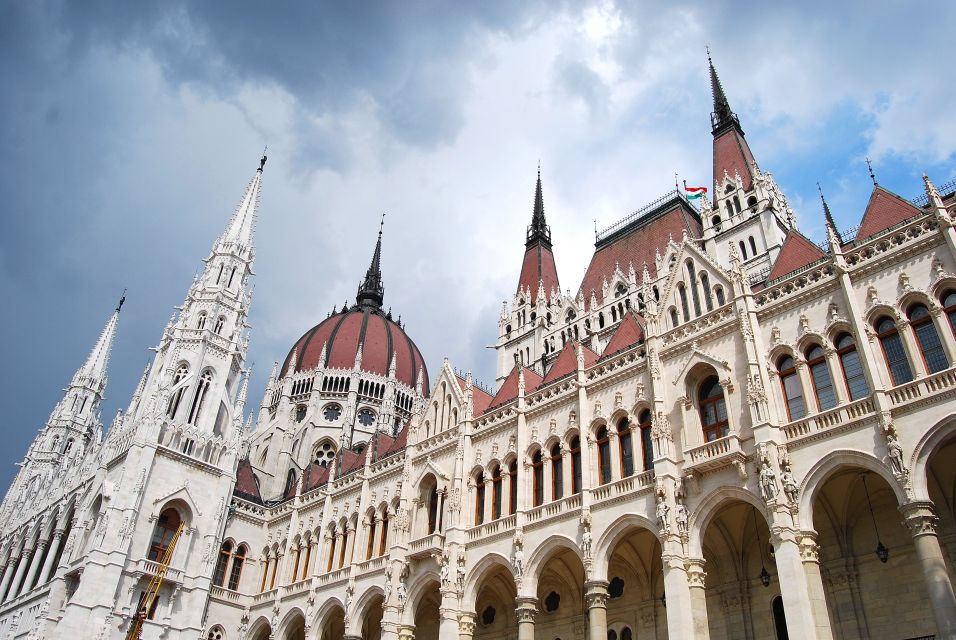
The tour highlights the Hungarian Parliament, described as the world’s third largest Parliament building. That alone grabs your attention, but what really helps is the guide framing—what the building represents and how it fits into Budapest’s identity.
You’ll walk past and learn as you go, so you’re not stuck staring from one angle only. Still, the experience is best for people who enjoy seeing the “big idea” behind major architecture rather than those who want deep time right at the entrance.
A practical consideration: entrance fees aren’t included, so you won’t automatically be going inside on this walk. If you plan to do an interior visit later, use the tour as your setup—so you know what to look for when you’re planning that next stop.
You can also read our reviews of more guided tours in Budapest






House of Hungarian Art Nouveau and Other Architectural Detours
Between the major landmarks, you’ll also pass by buildings like the House of Hungarian Art Nouveau. Stops like this are valuable because they help you understand that Budapest isn’t only about grand civic giants.
Art Nouveau and 19th-century styles can look similar if you’re only skimming. Guided walking gives you a chance to separate them in your mind, so later, when you spot a façade detail on your own, you’ll recognize what style you’re seeing.
These detours are also where the “hidden alleyways” idea becomes real. You’re not constantly in a wide-open square, which means you experience Pest’s texture—narrower streets, turning corners, and less obvious views that large-bus routes often miss.
Liberty Square and a Street Market: A More Lived-In Pest
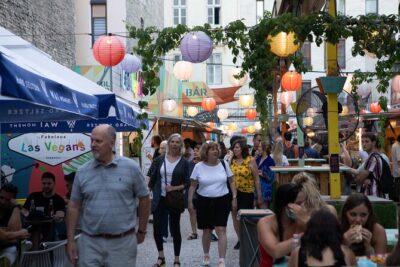
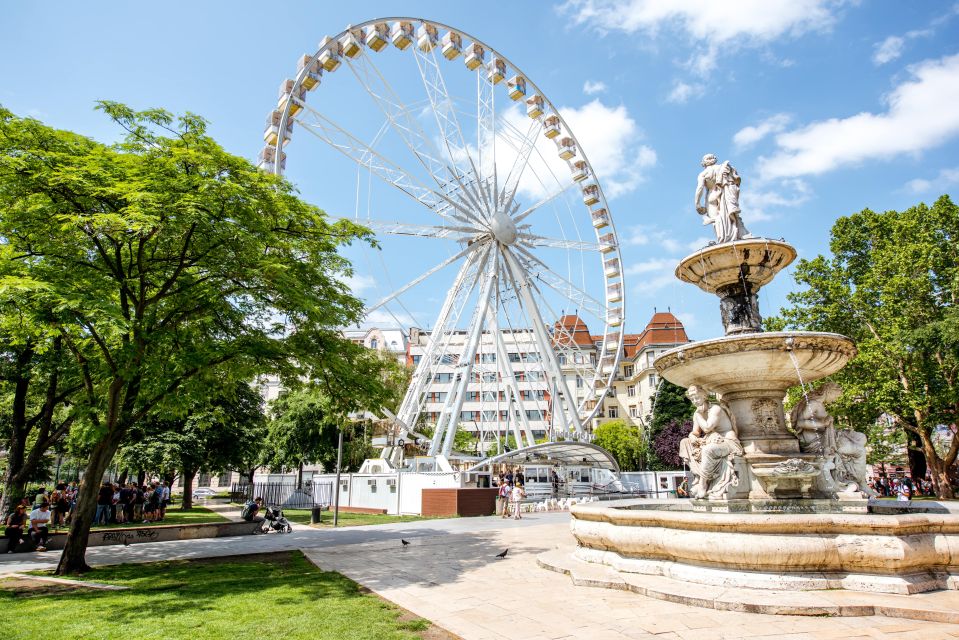
Then you shift to Liberty Square, followed by time to explore a street market. This part feels different on purpose. After big, formal buildings, you get a more everyday atmosphere where you can see how the area functions beyond monuments.
Even if you don’t plan to shop, markets are one of the fastest ways to feel local life. The energy is different from the museum-stillness you get at major sites. You’ll notice how people move, what’s practical, and what the area offers on an ordinary day.
If you want an easy souvenir hunt, this is the kind of stop that makes sense. If you’re more budget-minded, just use it as a window into local food and street culture while keeping your wallet under control.
Rain or Shine: What That Means for Your Day

The tour runs rain or shine, so plan around weather that can change quickly in Central Europe. For walking tours, that’s a real scheduling advantage, because you’re not stuck waiting for a perfect day.
Bring a small umbrella or rain layer and wear shoes you can trust on wet pavement. Even if the day is only slightly damp, Budapest’s streets can be slippery enough to make an extra stop under a café feel longer than you hoped.
The good news: the structure of the tour is built for movement. You’re walking between fixed points, so a rainy day doesn’t “break” the plan—it just changes how often you’ll want to pause and shelter.
English Guide Energy: From Facts to Friendly Momentum
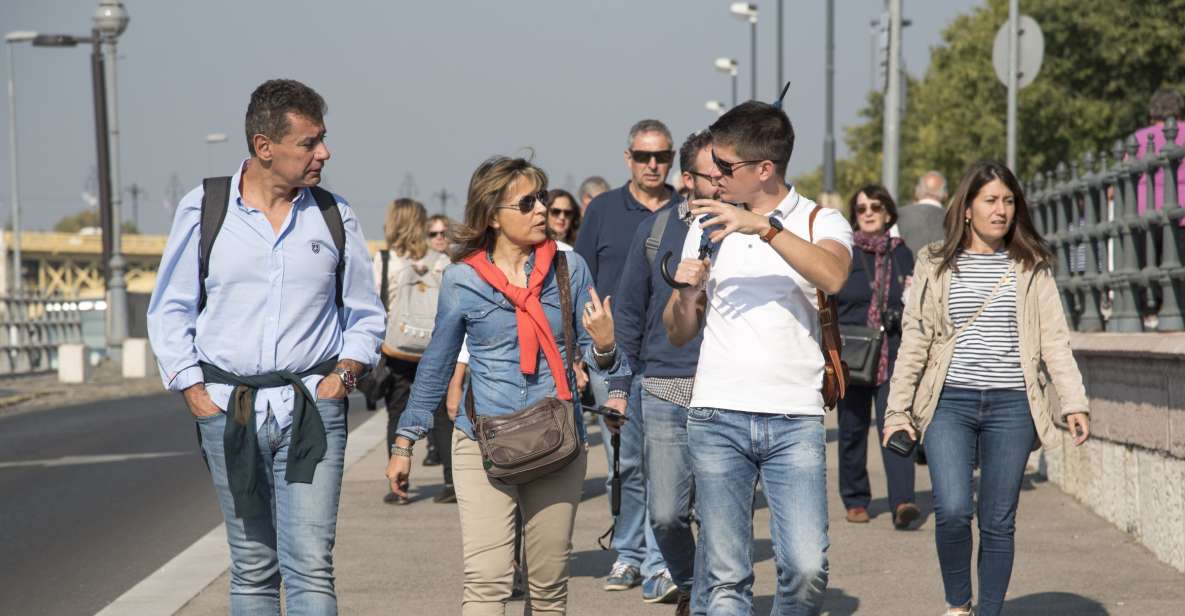
This walk runs with a live English guide, and the guide quality seems to be a major part of the experience. You may get guides such as Monica, Lena, or Lina (names come up in past bookings), and the common theme is lively communication plus a steady pace that keeps everyone together.
I especially like the idea that the guide manages the group so you don’t feel lost while also stopping for explanations. That’s useful in cities where sidewalks, crossings, and crowd flow can get confusing quickly.
One more practical plus from real experiences: guides tend to provide enough time at stops for pictures. You’ll still want to move with purpose, but you’re not rushed through like a checklist.
Price and Value: How $16 Works for a 2-Hour Pest Walk
At $16 per person for about 2 hours, this tour is priced like a practical orientation walk. You’re paying for a guided route plus professional interpretation, not for museum entry or long indoor time.
That makes it good value if:
- You want to hit key Pest sights in a short window
- You like architecture explanations more than structured ticketed attractions
- You’re trying to avoid the big-tour-bus crowd feeling
It’s less ideal if:
- You expect multiple entrances or lengthy time at each monument
- You want a lot of inside access to places like the Parliament (not included here, since entrance fees aren’t included)
In other words, think of this as a smart “map with stories” tour. Then you can decide what needs a second visit on your own.
Who This Tour Suits Best
This tour fits best if you’re:
- Doing Budapest for a few days and want Pest’s highlights organized for you
- Interested in architecture and city layout, not only sightseeing photos
- Traveling at a pace where short, guided walking beats long transit and big crowds
It’s also a good choice for first-timers. The route touches the kind of landmarks you’ll see again later, which helps you build confidence for independent exploration.
If you’re the kind of traveler who wants every stop treated like a mini museum with time to go inside, you might feel the limits. The tour is designed to point you toward what to see and understand, not to replace additional visits.
Should You Book This Walking Tour of Pest?
If you want Pest’s greatest hits with context, this is a solid booking. The price is low enough that it won’t hijack your budget, and the route covers the kind of monuments you’ll otherwise scramble to plan around on your own.
I’d book it if you enjoy a walking format where the guide helps you interpret what you’re seeing—especially around St. Stephen’s Basilica, the Chain Bridge/Danube Bank, and Hungarian Parliament. I’d think twice if your top goal is long, close-up time at each place or interior access, since entrance fees aren’t included and the tour is built for moving between sights.
FAQ
Where is the meeting point for the tour?
Meet at Molnár’s Kürtőskalács.
How long is the Budapest guided walking tour of Pest?
The tour lasts 2 hours.
Is the tour offered in English?
Yes, the live tour guide works in English.
Are entrance fees included?
No. Entrance fees are not included.
Does the tour run if it rains?
Yes. The tour takes place rain or shine.
What is the price?
It costs $16 per person.
Can I cancel and get a refund?
Yes. You can cancel up to 24 hours in advance for a full refund, and you can also reserve and pay later.
If you want, tell me your travel dates and what else you plan to do in Budapest, and I’ll help you pair this with the best next stops on your schedule.