REVIEW · COOKING CLASSES
Budapest: Cooking School – Hungarian Menu & Local Market
Book on GetYourGuide →Operated by Chefparade cooking school · Bookable on GetYourGuide
Hungary tastes better when you cook it yourself. This Chefparade class strings together a local Market Hall visit and a hands-on cooking session at a well-equipped studio, where you make a traditional 3-course Hungarian lunch from scratch. It’s built for real learning: you snack your way through ingredients, then you use them at the stove.
What I like most is how practical it feels. You get a guided market stop with Hungarian nibbles like kolbász and körözött, plus a palate warm-up on arrival with a fruity palinka and some Unicum before lunch. You also leave with more than food: you get recipes to take home, and you cook side-by-side with an English-speaking chef.
One thing to consider: timing is tight. It’s only 4 hours, so you’ll do a lot of steps (market, tastings, cooking, eating) without a ton of free time to linger.
In This Review
- Key things to know before you go
- Price and value: what you’re really paying for
- Finding the meeting point without stress
- The Central Market Hall stop: snacks with a purpose
- What you should watch for
- Palinka and Unicum: why the arrival tastes matter
- Transfer to the cooking school: keep the day on track
- Inside the cooking school: modern studio, old-country dishes
- The ingredient focus: paprika and practical technique
- What you’ll actually cook: a classic 3-course Hungarian lunch
- Cooking as a group: how the class flow feels
- Lunch: you eat what you made, with wine
- Recipes to take home: turning a class into a real dinner
- Who this suits best
- Price check against alternatives
- Should you book this Budapest cooking school class?
- FAQ
- What dishes will I cook in the 3-course class?
- Where is the meeting point in Budapest?
- Is the cooking class taught in English?
- How many people are in the group?
- What’s included besides the cooking?
- Can you handle dietary restrictions?
Key things to know before you go
- Market Hall orientation first so ingredients make sense before you start cooking
- Alcohol tastings before lunch (palinka and Unicum) that set the tone for Hungarian flavors
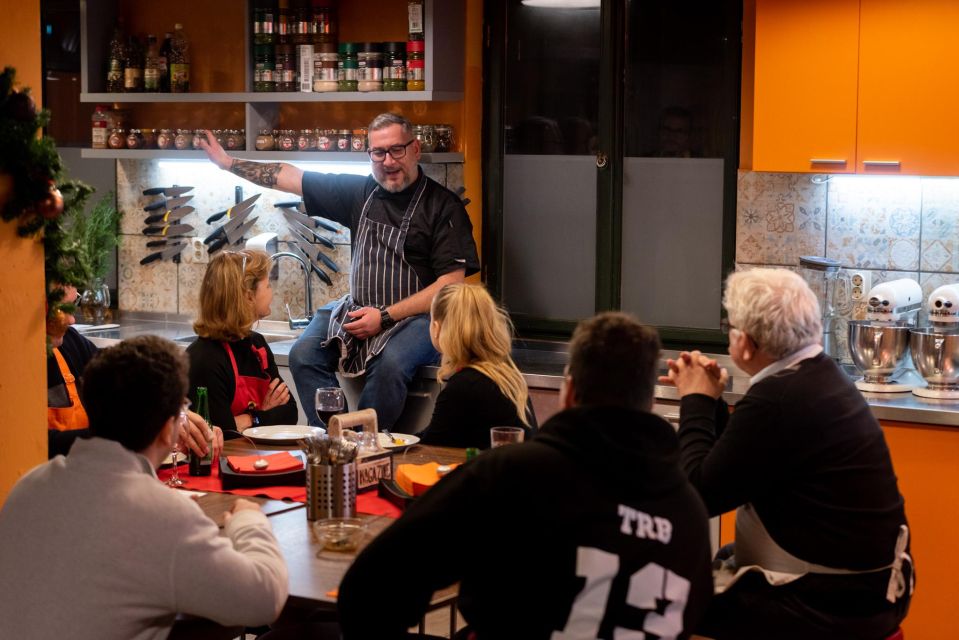
- Hands-on cooking with a small group capped at 10 participants
- Paprika and core pantry items come up with clear, usable cooking practices
- You sit down to the 3-course meal you made, with a glass of wine
- Recipes to take home so your dinner at home isn’t guesswork
Price and value: what you’re really paying for
At about $170 per person for a 4-hour experience, this isn’t a bargain-cook-your-own-pasta class. You’re paying for three things that add real value in Budapest.
First, you get structure. The market visit isn’t just wandering around—it’s a guided tour focused on Hungarian ingredients and traditions, plus tasting small plates while you learn. That means your later cooking steps connect to real food culture, not theory.
Second, you get included meals and drinks. The course ends with a 3-course lunch that you helped make, plus unlimited soft drinks, coffee, and tea. You also get a glass of wine with lunch, and you’ll taste palinka and Unicum before you eat. If you’ve ever tried to piece together market food and a cooking class yourself, you’ll feel how expensive that can get.
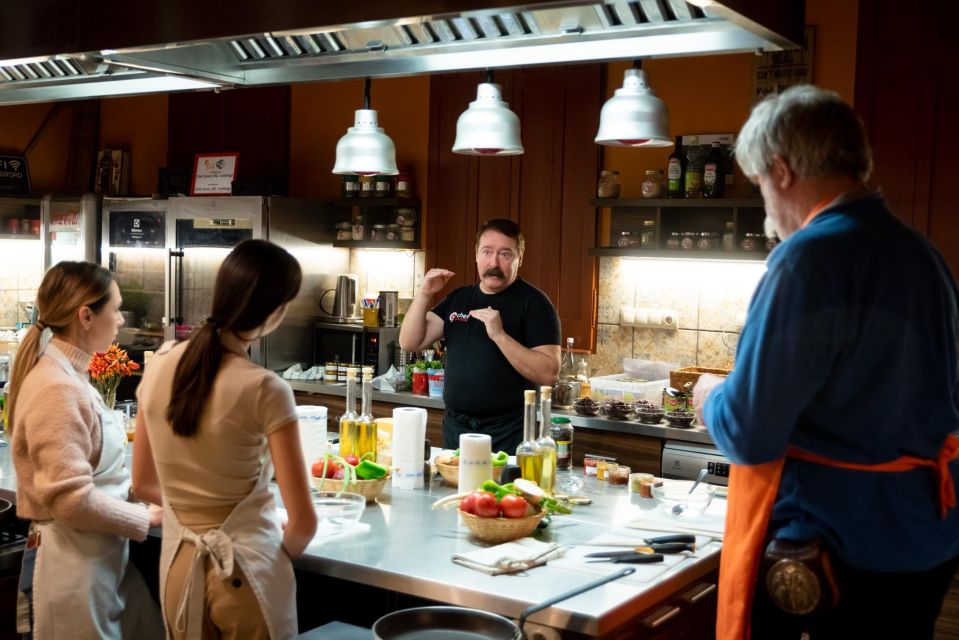
Third, you’re buying time with a chef. The sessions are hands-on and designed for questions, not passive watching. With a group limit of 10, you’re more likely to get personal attention if you’re confused about techniques or ingredient swaps.
You can also read our reviews of more shopping tours in Budapest
Finding the meeting point without stress
Meet up in front of the Central Market Hall at the Burger King. That’s straightforward, but do yourself a favor: arrive a bit early and double-check you’re at the right Central Market Hall entrance area.
One review story I read highlighted how easy it is to mix up which market is meant when descriptions are unclear. The fix was quick once the correct market was identified, but the lesson is simple: don’t rely on memory when you’re short on time. Central Market Hall is the right anchor, and Burger King is the marker.
Also, since the class runs in the morning and finishes with lunch, you’ll want to start your day calmly. This is not the moment for rushing across town from a late breakfast.
The Central Market Hall stop: snacks with a purpose
Before you get to the kitchen, you’ll walk through a very local Market Hall together with your chef. This part works because you’re not just sightseeing. You’re learning what typical Hungarian ingredients look like, how locals talk about them, and how they show up in everyday cooking.
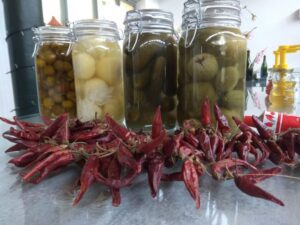
Expect a brief market history explanation, then a guided “tasting” moment. You’ll sample Hungarian appetizers such as kolbász and körözött. Even if you’ve had paprika-seasoned food before, this is where you’ll start noticing the building blocks—spice types, cured meats, and dairy-based spreads that Hungarian cooking uses all the time.
You’ll also get a small breakfast platter and snacks during the visit, so you’re not heading into cooking on an empty stomach. I like that. It keeps the energy up, and it makes the later 3-course lunch feel earned rather than rushed.
What you should watch for
If you’re food-minded, use the market stop to ask quick questions while the chef is in front of you. Bring up things like what paprika is best for (and how heat level changes the flavor), or which ingredients matter most for the dishes you’ll cook later. The class format is designed for that kind of interaction.
Palinka and Unicum: why the arrival tastes matter
Right when you arrive, you’ll taste a fruity palinka, and you’ll also have some Unicum before lunch. This isn’t just a party add-on. It’s a fast way to understand Hungarian drinking culture and the flavor direction of certain aperitifs—sweet fruit notes, herbal bitterness, and a more intense profile than what you might expect from a typical cocktail.
If you prefer not to drink, still taste a small amount so you understand what your chef means when they talk about Hungarian flavor balance. And if you do drink, take it slow. You still have a kitchen session ahead.
You can also read our reviews of more tours and experiences in Budapest



Transfer to the cooking school: keep the day on track
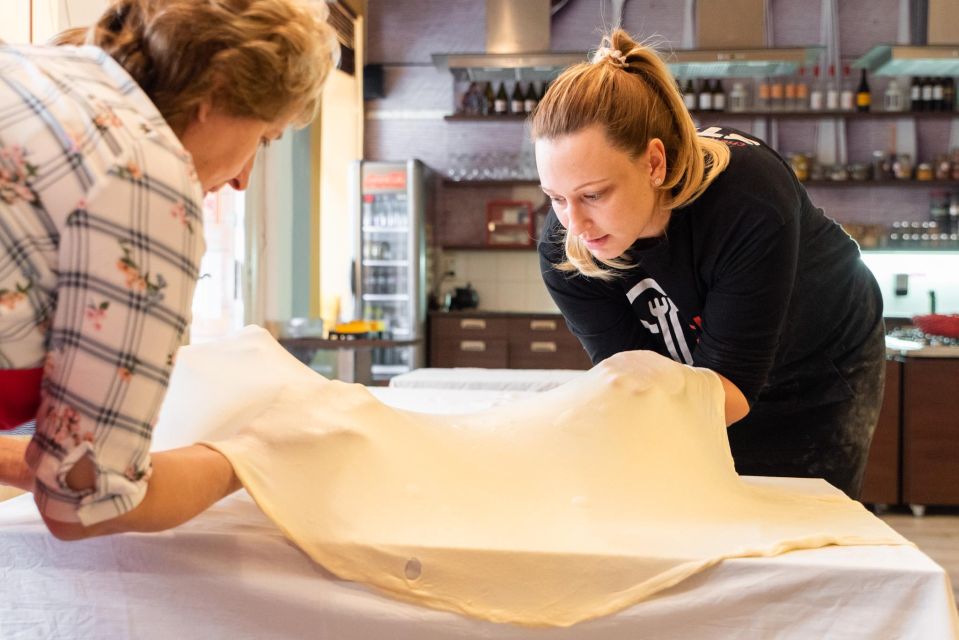
After the market visit, there’s a transfer from the market to Chefparade cooking school. This is practical. It saves you the hassle of figuring out transport while you’re hungry and carrying whatever you bought or tasted.
In a cooking class, that matters. The fewer moving parts you manage, the more you focus on technique—what to chop, what to simmer, and when to season.
Inside the cooking school: modern studio, old-country dishes
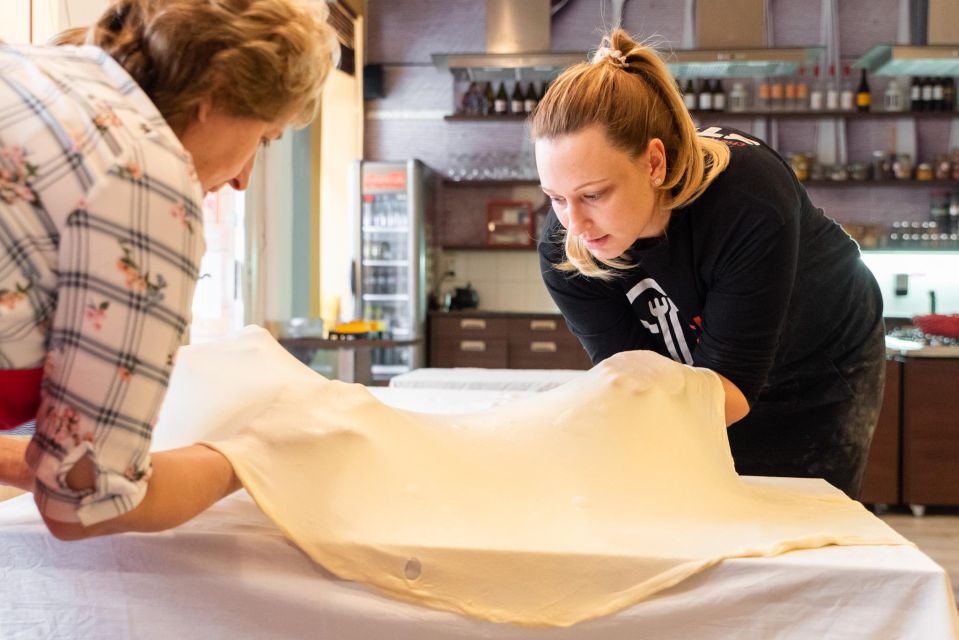
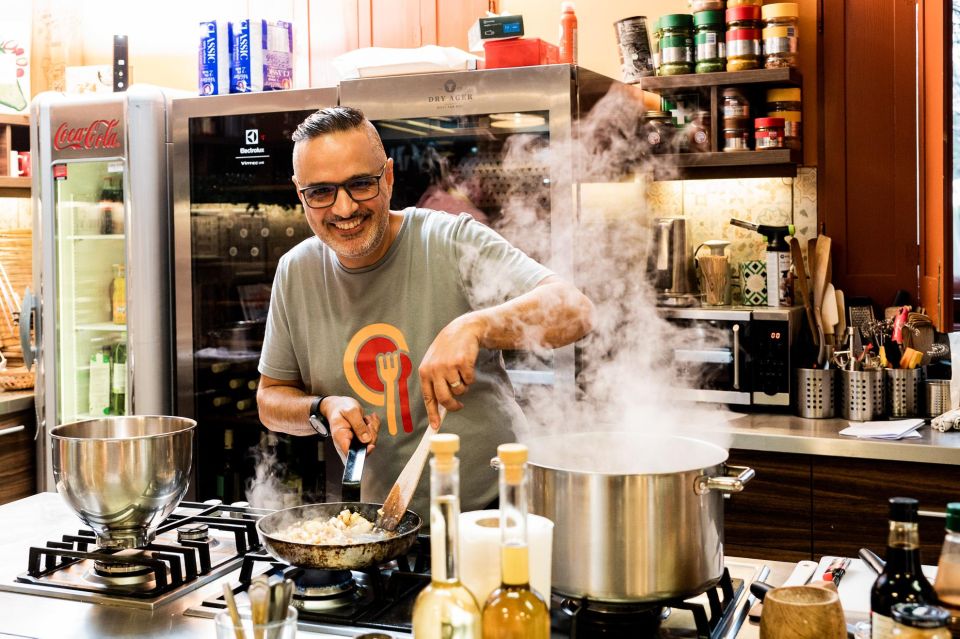
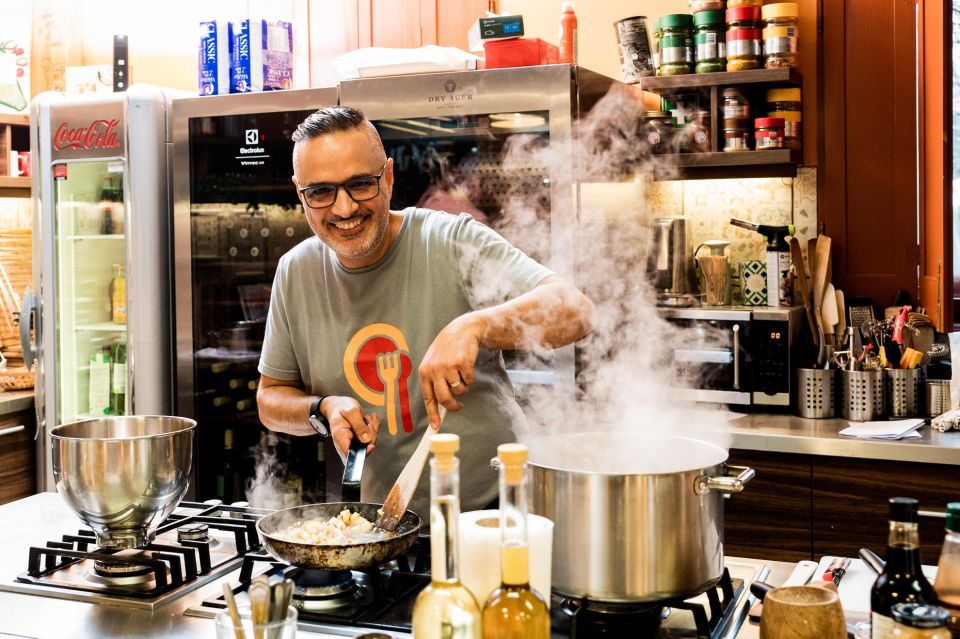
Chefparade describes the school as a contemporary cosmopolitan cooking studio. In real terms, that means you get a clean, well-equipped kitchen setup built for teaching. Expect aprons provided, and expect a format where you cook while the chef guides you step-by-step.
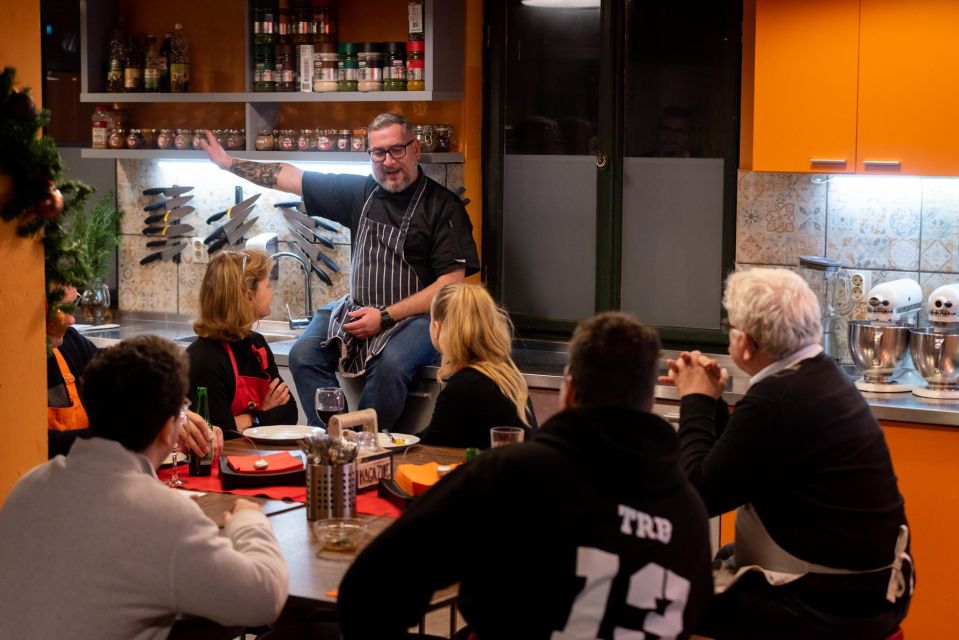
The class is English-led, and it’s designed for a small group (up to 10). That small size shows up in pacing: you don’t feel like you’re waiting your turn for every action. You can ask questions as they come up.
The ingredient focus: paprika and practical technique
Hungarian cooking often revolves around paprika as a defining flavor. You’ll learn about ingredients and spices—including paprika powder—and you’ll learn basic cooking practices that help you get consistent results.
Even if you’re an experienced home cook, I like how this course is framed: it’s not just about the final dish. It’s about why certain steps work, like timing seasoning, managing the simmer, and balancing creamy elements with spice.
What you’ll actually cook: a classic 3-course Hungarian lunch
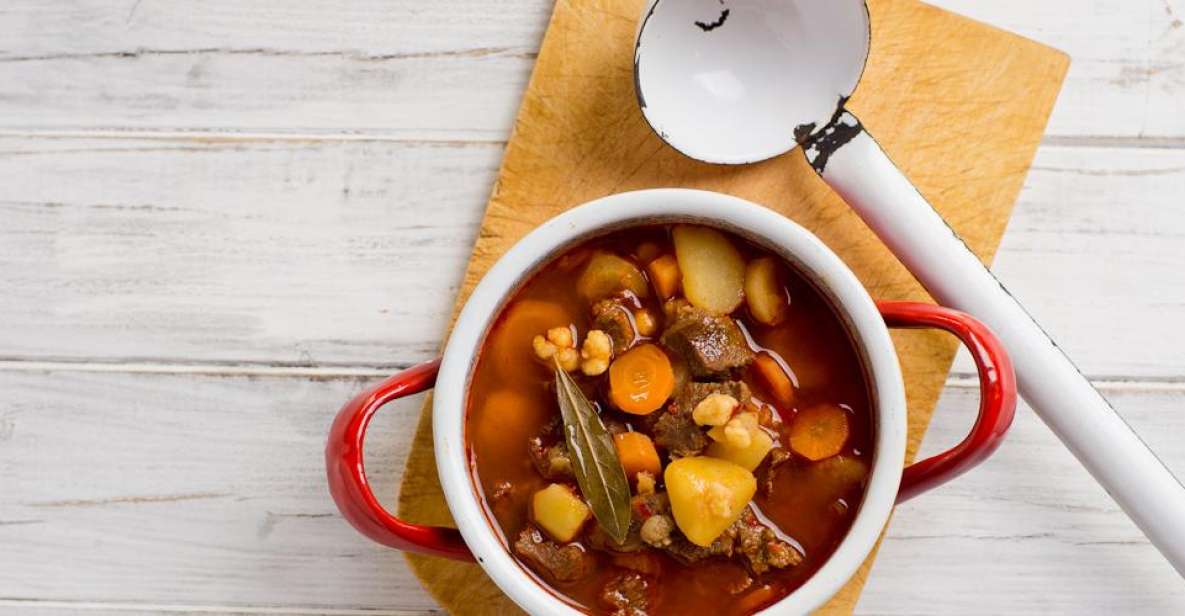
You’ll prepare a traditional 3-course Hungarian meal. The dishes can vary by session, but the course style is consistent: starter ingredients, a hearty main with paprika, and a dessert built for comfort.
In past classes, people have cooked:
- Tejfölös krumplileves (creamy potato soup)
- Csirkepaprikas (chicken paprikash)
- Meggyes pite (sour cherry pie)
If those names mean nothing to you, no problem. You’ll recognize the flavors once you’re holding the ingredients and doing the steps. And if you’ve heard of paprikash, this is where you learn what makes it taste Hungarian and not just “chicken with paprika.”
Cooking as a group: how the class flow feels
The class runs like a coordinated workshop. You’ll cook side-by-side with the chef, and you’ll be able to ask questions in the middle of the action—what to do if it looks too thick, when to adjust seasoning, and how to get the right texture.
Clean organization matters here. One review mentioned the kitchen was well stocked and the execution was smooth, with no feeling of being rushed. That matches what you want in a class: calm pace, clear instructions, and time to actually participate.
Lunch: you eat what you made, with wine
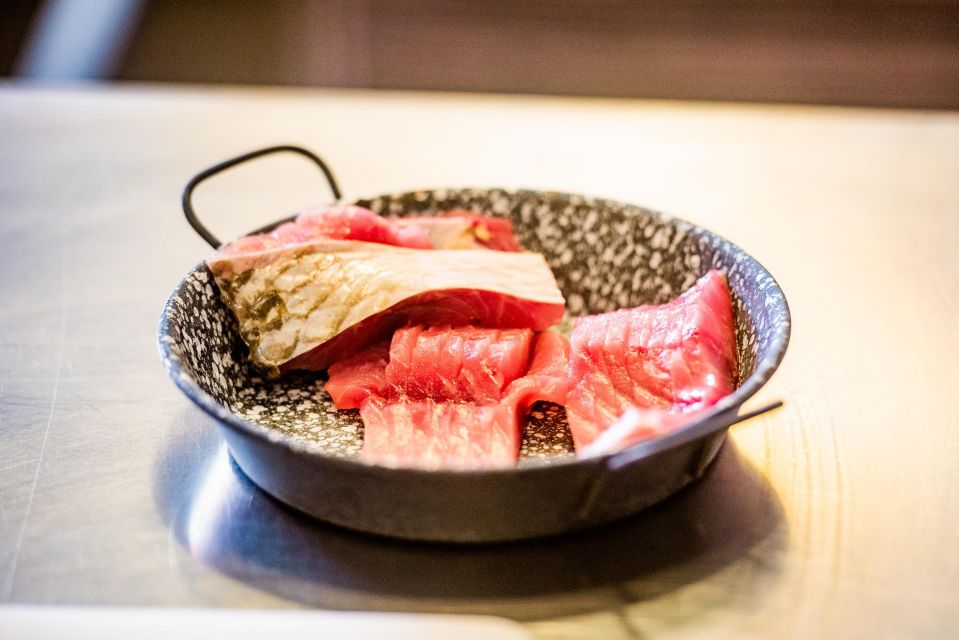
When the cooking wraps up, you sit down to the meal you prepared. The 3-course lunch is the payoff—starter, main, and dessert—paired with a glass of wine with lunch.
Unlimited soft drinks, coffee, and tea are included, so you can settle into the meal without thinking about ordering. You’ll taste your work, see what you nailed, and notice what you might tweak at home next time.
It also tends to be social in a relaxed way. One person mentioned they celebrated a birthday during the shared meal. That’s the kind of small community feel that makes a cooking class more than just calories—it’s part of the trip memory.
Recipes to take home: turning a class into a real dinner
A big reason this class works as a value buy: you take home recipes. That’s what turns your “cool experience” into something you can reproduce.
If you want the dessert later, or you want to make paprikash for friends, the recipes help you repeat the method. And even if the exact dish changes, you’ll still learn the core Hungarian patterns: paprika work, dairy balance, and the rhythm of simmering.
Who this suits best
This is a great fit if you:
- Want a hands-on Hungarian cooking experience rather than a restaurant tour
- Like learning by doing, with a chef available for questions
- Appreciate market food culture and ingredient explanations
- Want a Budapest activity that ends with a full meal and not just a snack
It’s also a solid choice if you travel with a birthday or a small group mood—some classes naturally become celebratory at the table.
If you’re the kind of traveler who wants long sightseeing breaks and lots of free time, the 4-hour structure may feel packed. But if you like your activities active and direct, you’ll probably enjoy the pace.
Price check against alternatives
Here’s the honest comparison in practical terms.
If you try to replicate this day yourself, you’ll likely spend money on:
- Market snacks and drinks
- A cooking studio session (often not including as much food and drink)
- A full lunch out after the class
This experience bundles those elements into one timed program. You pay upfront, but the day is organized for you, and you get the tastings plus the meal plus recipes. For many visitors, that “one-stop” value is the whole point.
Should you book this Budapest cooking school class?
Yes, I’d book it if you want a structured, small-group taste of Hungarian cooking that ends with a meal you made—not just watched.
Skip it only if you dislike tight schedules or you’re looking for a pure restaurant experience. This is about cooking and learning. You’ll leave with paprika skills, market ingredient context, and recipes you can actually use.
If you do book, show up at the Central Market Hall entrance near Burger King, and come hungry. Hungarian food is best when you pay attention to the details—right down to how the flavors build from market ingredients to your final spoonful.
FAQ
What dishes will I cook in the 3-course class?
You’ll prepare a traditional 3-course Hungarian lunch. Past sessions have included creamy potato soup (Tejfölös krumplileves), chicken paprikash (Csirkepaprikas), and sour cherry pie (Meggyes pite), but the exact menu can vary by class.
Where is the meeting point in Budapest?
Meet in front of the Central Market Hall at the Burger King.
Is the cooking class taught in English?
Yes. The instructor is English.
How many people are in the group?
The group is small, limited to 10 participants.
What’s included besides the cooking?
You get a guided market tour with Hungarian appetizer tastings (including kolbász and körözött), transfers to the cooking school, the 3-course lunch, unlimited soft drinks, coffee, and tea, aprons, a glass of wine with lunch, plus recipes to take home.
Can you handle dietary restrictions?
If you have dietary needs or restrictions, contact the tour operator and they will come up with a suitable menu.