REVIEW · CITY TOURS
Budapest: City Center Walking Tour
Book on GetYourGuide →Operated by Tourist Angel · Bookable on GetYourGuide
Budapest clicks into focus on foot. This compact city-center walk strings together Pest landmarks and big monuments in a way that feels easy to follow, even when the city gets busy. The best part is the live English guide, and I’ve seen guides like Lena and Bea turn the streets into a story you can actually keep up with.
I also love how the route mixes showpiece architecture with real city atmosphere. You get Danube views from the Duna Corso river promenade, then keep moving through squares where you can pause, look around, and take photos without fighting a bus crowd. One possible drawback: it’s rain or shine, and it’s still a walking tour, so bring good shoes and be ready for wet pavement if the weather turns.
In This Review
- Key highlights worth your time
- Why this 2-hour Pest walk works better than buses
- Marcius 15 Square and the Great Blessed Lady cathedral
- Duna Corso promenade: Danube views and bridge spotting
- Pesti Vigadó and the Vorosmarty Square corridor
- Elizabeth Park and Budapest Eye: a scenic pause in the middle of it all
- St Stephen’s Basilica: the dome that makes the city feel real
- Pedestrian streets, Mr. Safe, and the lighter side of Budapest
- Liberty Square: Nazi occupation, Communist oppression, and 1956
- Kossuth Square and the Hungarian Parliament building story
- Shoes on the Danube Bank: an optional but powerful add-on
- Price, timing, and what you should do before you go
- Who this tour is best for
- Should you book this Budapest City Center Walking Tour?
- FAQ
- How long is the Budapest City Center Walking Tour?
- What does the tour cost?
- Is it a guided tour, and what language is offered?
- Is the tour wheelchair accessible?
- Is the tour affected by rain?
- Are entrance fees included?
- FAQ
- Where is the meeting point?
- Is free cancellation available?
Key highlights worth your time
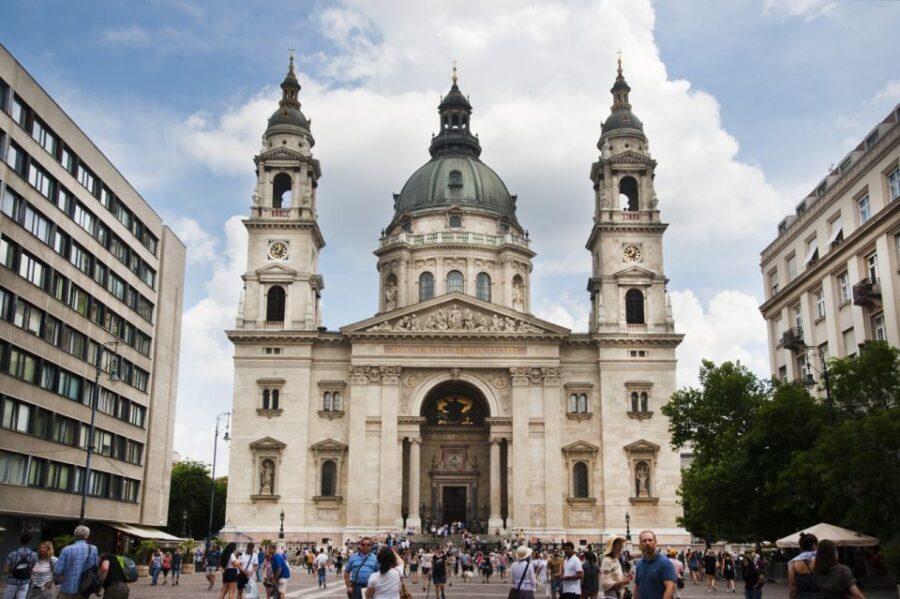
- St Stephen’s Basilica in full exterior glory with the dramatic dome and colonnade as your big photo anchor
- Duna Corso promenade viewpoints over the Danube, bridges, and the Castle of Buda across the water
- Vorosmarty Square stop for classic Budapest flavor including the area around Gerbeaud Cafe
- Elizabeth Park and Budapest Eye for an easy, scenic pause near the Ferris wheel
- Liberty Square history lessons covering Nazi occupation, Communist oppression, and the 1956 revolution
- A human touch from the guide (including humor, Q and A, and even singing from guides like Lena and Elli)
Why this 2-hour Pest walk works better than buses
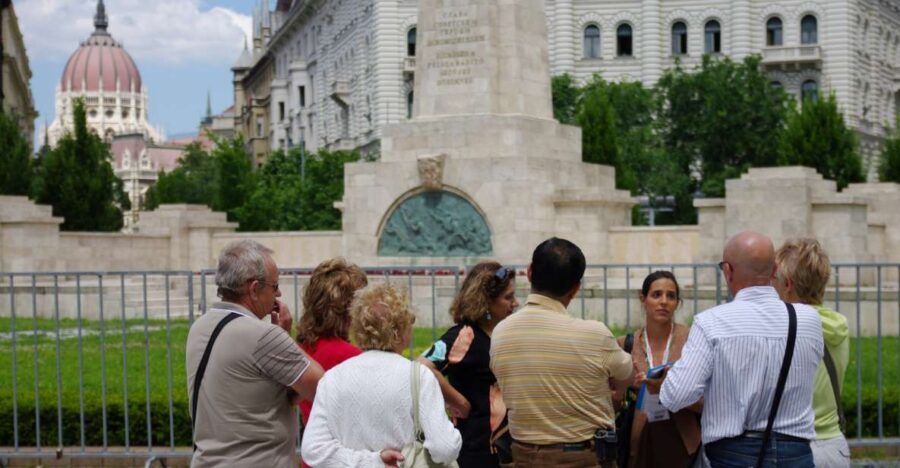
Budapest looks grand from a postcard. It looks even better when you can actually connect the dots between the buildings. This tour is designed for orientation: you start in central Pest and move through the areas that shape the skyline, the politics, and the everyday rhythm of the city.
You’ll spend your time where people notice details. That matters here because so many of Budapest’s best features are architectural and symbolic, not just museum-ticket stuff. With a guide who can answer questions as you go, the streets stop feeling like random stops and start feeling like a route.
And yes, it’s good value. At about $14 per person for a 2-hour guided walk, you’re paying for context more than entrances. Since entrance fees aren’t included, you’re basically getting guided access to the city’s greatest hits—mostly from the outside—then you can choose what to pay for later.
You can also read our reviews of more walking tours in Budapest



Marcius 15 Square and the Great Blessed Lady cathedral
You begin at Marcius 15 Square, a strong starting point because it sets the tone: history and grandeur right away. From here, you’ll see the Gothic-style Great Blessed Lady cathedral—not as a vague landmark on a map, but as a building you can walk up to and visually read. Gothic architecture has a way of making streets feel taller and older, and this stop does that fast.
Why it’s a smart early move: it gives your brain a reference point before you start comparing riverside views, civic squares, and parliament-area monuments later. Even if you don’t know much Hungarian history yet, the guide helps you connect what you’re seeing to what it means.
Practical tip: if you’re serious about photos, take a minute at the start. Once the tour moves into wider squares and river promenades, the light and angles change quickly.
Duna Corso promenade: Danube views and bridge spotting
Next comes one of the easiest ways to fall for Budapest: the Duna Corso river promenade. You’ll walk along the Danube and look across to the other side of the river, where the Castle of Buda sits above the city.
This is more than a scenic break. It’s where Budapest becomes a geography lesson. Bridges, sightlines, and the river’s curve all shape how the city grew. When you can see both sides at once, it’s easier to understand why so many major monuments are positioned exactly where they are.
You’ll also get a view of the bridges that connect Pest and Buda. That’s useful later, when you’re choosing which way to walk or which crossing to take on your own.
Pesti Vigadó and the Vorosmarty Square corridor
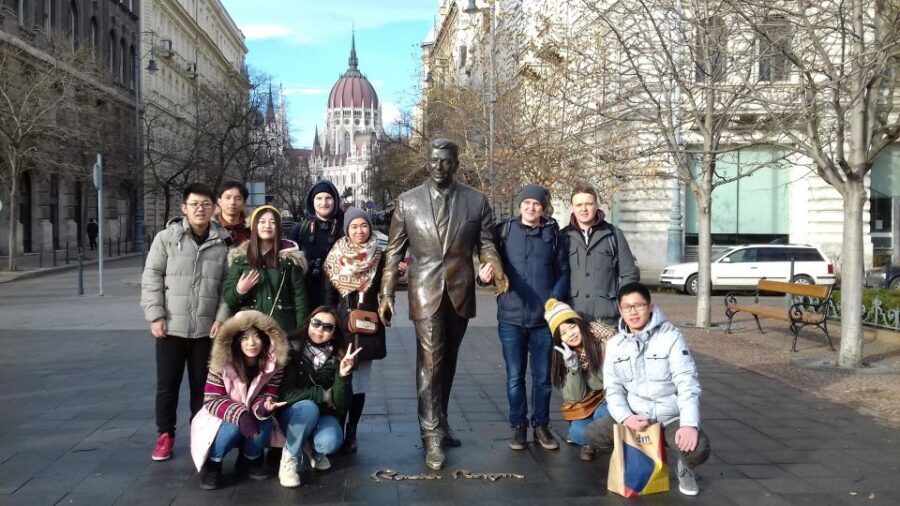
As the tour heads back toward the city core, you pass Pesti Vigadó, a standout “dance palace” style building along the river axis. You’ll also work your way through the Vorosmarty Square area, with time spent near the historic Gerbeaud Cafe.
This is one of those stretches that helps you travel smarter. Seeing these buildings from the street teaches you what to look for when you return later for a coffee or dessert. Even if you don’t go inside during the tour, the exteriors help you pick your favorite streets and decide where you want to linger.
If you like sweets, this is a good moment to mentally flag places to revisit. The guide’s recommendations (and the route they suggest) can save you from ordering something ordinary in the wrong spot.
Elizabeth Park and Budapest Eye: a scenic pause in the middle of it all
After walking through classic pedestrian streets, you’ll reach Elizabeth Park and spot Budapest Eye, the largest Ferris wheel in Europe. This part feels like a reset. You get more open space, a chance to stretch, and a view that’s less about monuments and more about the city’s leisure side.
Why it belongs in a city-center tour: it balances the big civic and religious stops with something lighter. You’ll still be in the historical capital of the country, but you’ll also see how the city relaxes. That matters because Budapest is not only solemn monuments—it’s also parks, promenades, and people watching.
If it’s a clear moment, take 30 seconds and look back at the route you just walked. From here, your mental map usually snaps into place.
You can also read our reviews of more city tours in Budapest






St Stephen’s Basilica: the dome that makes the city feel real
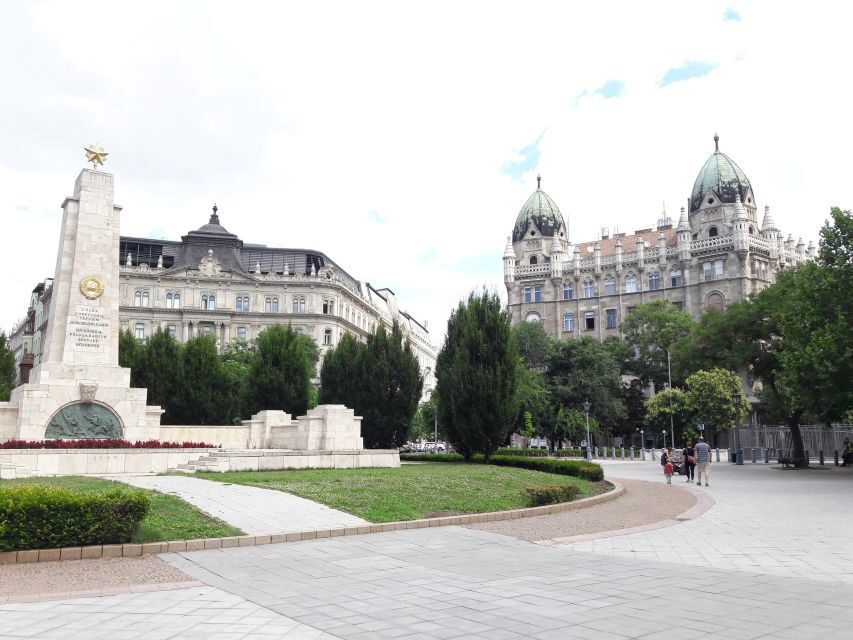
Then comes the tour’s clearest “wow” stop: St Stephen’s Basilica. You’ll see the monumental dome and the colonnade as you approach, and it’s the kind of architecture that turns a quick glance into a longer look.
This is one reason I like this tour for first-time visitors. The Basilica isn’t just impressive—it’s useful. When you’ve seen it up close from the street, you can find your bearings later and orient yourself toward the Parliament area and the river crossings.
A small caution: people naturally slow down here for photos. If you’re on a tight schedule, don’t plan other timed activities right around this point. Let the Basilica moment take the time it deserves.
Pedestrian streets, Mr. Safe, and the lighter side of Budapest
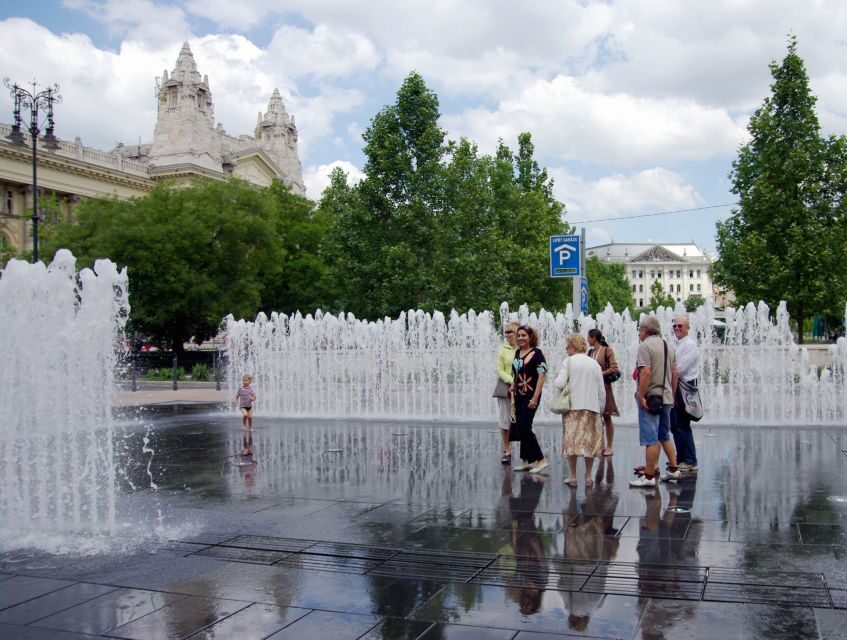
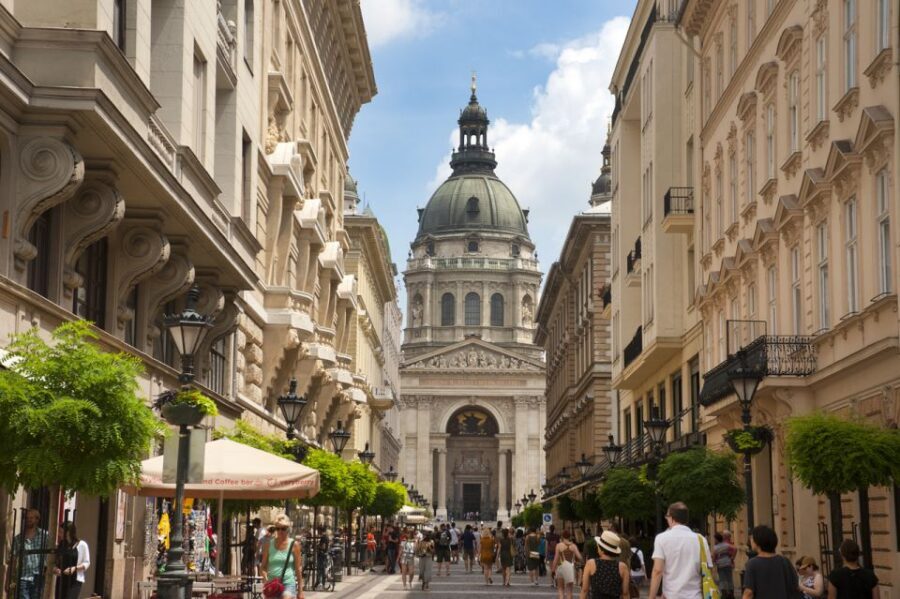
Between the heavy-hitter monuments, you’ll walk through traditional pedestrian streets. This is where the tour stops feeling like a checklist and starts feeling like a city you could live in for a day.
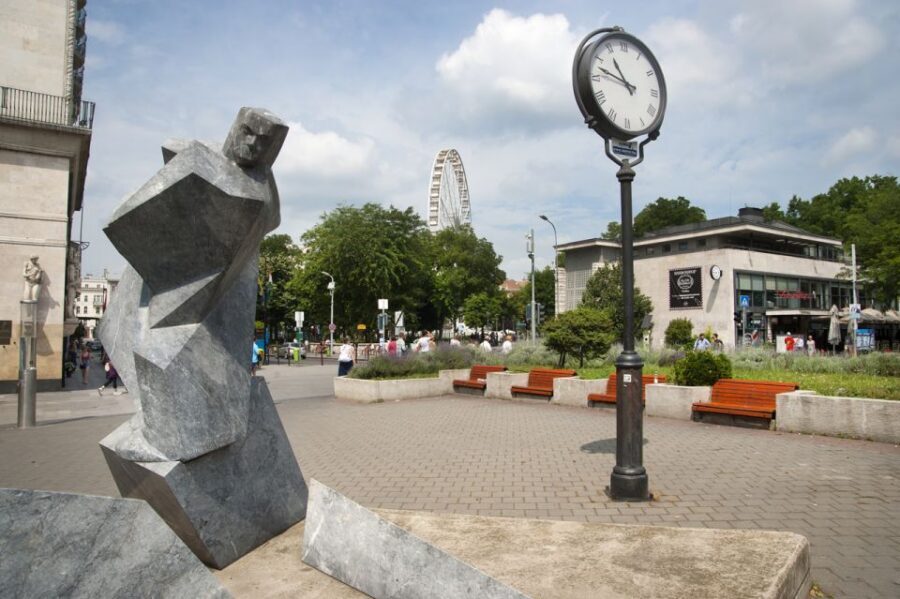
One of the funniest moments on the route is the statue of Mr. Safe. It’s the kind of small detail that makes you smile and gives your brain a break from the serious parts of the tour. Those little stops are not random; they’re placed to keep the walk from becoming one long solemn lecture.
And this is where the guide’s personality really shows. In the feedback, guides like Flora and Monica are described as engaging and fun, with enough energy to keep kids and adults in the same group interested.
Liberty Square: Nazi occupation, Communist oppression, and 1956
Then the tour shifts tone at Liberty Square. Here you’ll learn about Budapest’s traumatic past as a center of Nazi occupation and Communist oppression. You’ll hear stories about dictatorship and the 1956 revolution, delivered in a way that tries to make the timeline clear as you stand in the city.
This is the part that gives the monuments meaning. Budapest’s grand architecture can feel purely aesthetic if you don’t know what changed the city politically and emotionally. Standing near a major civic area while discussing those events helps you understand why certain symbols and institutions mattered so much.
I’d treat this section with care. Go in with a mindset for reflection, not just sightseeing. If you come expecting only pretty buildings, this stop may feel heavy. If you come ready to learn, it becomes the tour’s most memorable section.
Kossuth Square and the Hungarian Parliament building story
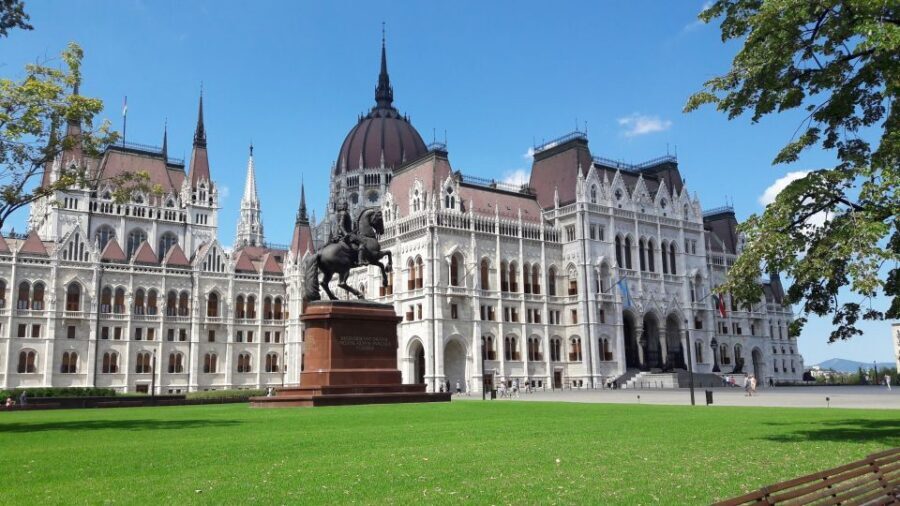
You finish at Kossuth Square, with views around the Hungarian Parliament building. This is where the city’s power imagery comes into focus. The Parliament building is dramatic in scale, and even from the outside you can read the weight of what it represents.
The guide ties this area back to the earlier history stops. You’ll hear how dictatorship and the 1956 revolution shaped public life, and why the city’s civic spaces became arenas for politics and identity.
If you want to keep going after the tour, this is also a strong launch pad for a self-guided walk in the Parliament area and back toward river viewpoints.
Shoes on the Danube Bank: an optional but powerful add-on
After the tour, you can pay a visit to the Shoes on the Danube Bank monument, or simply take a longer stroll along the riverbanks. This is one of those experiences that can hit hard, especially after Liberty Square and the revolution stories.
You don’t need to rush it. If the day is emotional for you, slow down, step back, and let the meaning land. If you’re traveling with family, you might want to read the room first before spending extra time here.
Price, timing, and what you should do before you go
Let’s talk about $14 for 2 hours. That’s cheap enough that you shouldn’t feel nervous about “getting your money’s worth.” The route is designed to cover multiple major zones on foot: starting at Marcius 15 Square, moving through riverside sights, reaching the Basilica area, then heading to Liberty and ending near Parliament.
Because entrance fees aren’t included, you’re paying for interpretation and efficient movement, not ticket costs. That’s great if you want the city overview first and plan museums later.
Timing-wise, the tour is short. You’ll see a lot, but it won’t replace a full day of museum hopping. Think of it as your first pass. After this walk, you’ll be more confident picking what to revisit and what to skip.
Also, it’s rain or shine. I’d bring a compact rain jacket and plan your outfit around walking. Even the best buildings can look less fun in wet shoes and cold hands.
Finally, the meeting point can vary depending on the option you book. When you reserve, double-check exactly where you’re supposed to gather so you’re not spending your first minutes in Budapest wandering.
Who this tour is best for
This works especially well if you:
- are in Budapest for a short time and want a clean orientation of Pest
- want a guide who can answer questions as you walk
- like architecture and city symbolism, not just photo stops
- want the darker 20th-century context without needing a full museum day
It also suits families, based on the feedback about teenagers staying engaged. The guides described in the reviews bring humor and energy, which helps when you’re walking for two hours on city streets.
If you have mobility needs, the tour is listed as wheelchair accessible. Still, it’s smart to ask your guide about pace early. One review note pointed out that slowing down can help wheelchair users get the most out of it.
Should you book this Budapest City Center Walking Tour?
If you’re choosing between a guided introduction and a self-guided wander, I’d lean guided. This tour is built to connect Budapest’s major landmarks—Basilica, Danube promenades, Elizabeth Park, Parliament-area squares—with the stories that make them matter.
Book it if you want a tight route, a friendly English guide, and enough history to understand what you’re seeing. Skip it only if you strongly prefer to move at your own speed and you don’t want to hear any context about Nazi occupation, Communist oppression, and the 1956 revolution.
FAQ
How long is the Budapest City Center Walking Tour?
It lasts 2 hours.
What does the tour cost?
The price is listed as $14 per person.
Is it a guided tour, and what language is offered?
Yes. A live tour guide is provided, and the tour is in English.
Is the tour wheelchair accessible?
Yes, wheelchair accessibility is listed.
Is the tour affected by rain?
No. It takes place rain or shine.
Are entrance fees included?
No. Entrance fees are not included.
FAQ
Where is the meeting point?
The meeting point may vary depending on the option booked, so it’s best to check your specific booking details.
Is free cancellation available?
Yes. You can cancel up to 24 hours in advance for a full refund.