REVIEW · 3-HOUR EXPERIENCES
Budapest: 3-Hour Walking Tour of Pest with a Historian
Book on GetYourGuide →Operated by Budapest Explorers · Bookable on GetYourGuide
Pest can feel like a blur, so this tour gives it shape fast, with St. Stephen’s Basilica and a historian’s storytelling style. I especially like the balance of major sights plus street-level details, and I like that it stays interactive in a small group (up to 10). One thing to consider: it is only 3 hours, so you’ll get a strong overview rather than time to linger deeply at every stop.
You’ll also cover the parts of Budapest many first-timers miss: the feel of the city’s younger side, plus long stretches of central streets you can use to navigate later. Expect stops that connect past to present, including a ride on the Millennium Underground and a walk along Andrássy Avenue.
In This Review
- Key Things I’d Prioritize on This Tour
- How This Pest Walking Tour Helps You Understand Budapest
- Meeting Point at Kempinski Hotel Corvinus and Starting Smart
- St. Stephen’s Basilica: A Ticket-In Stop You’ll Want to See Up Close
- Heroes’ Square: Where the Guide Turns Leaders Into a Timeline
- Andrássy Avenue and Gresham Palace: UNESCO Streetscape, Human Scale
- Millennium Underground: The Oldest Subway Ride on the Continent
- Danube Promenade, Zrínyi Street Cobblestones, and the Academy of Sciences Area
- Opera Neighborhood and the Grown-Up Side of Pest
- Price and Value: What $57 Really Buys You
- Who This Tour Fits Best
- Should You Book This Pest with a Historian Tour?
- FAQ
- How long is the Budapest Pest walking tour?
- What’s included in the tour price?
- Is the St. Stephen’s Basilica entrance ticket included?
- What is the meeting point?
- What language is the tour offered in?
- Is there free cancellation?
Key Things I’d Prioritize on This Tour
- St. Stephen’s Basilica entry included so you’re not guessing whether to buy a ticket
- Heroes’ Square for 1000 years of Hungarian leaders in one focused stop
- Millennium Underground ride for a quick taste of Budapest’s transit history
- Andrássy Avenue and Gresham Palace streetscape on a UNESCO-class corridor
- Ask-anything guide style that turns questions into part of the walk
- Small group pacing that works well when you want context, not just photos
How This Pest Walking Tour Helps You Understand Budapest
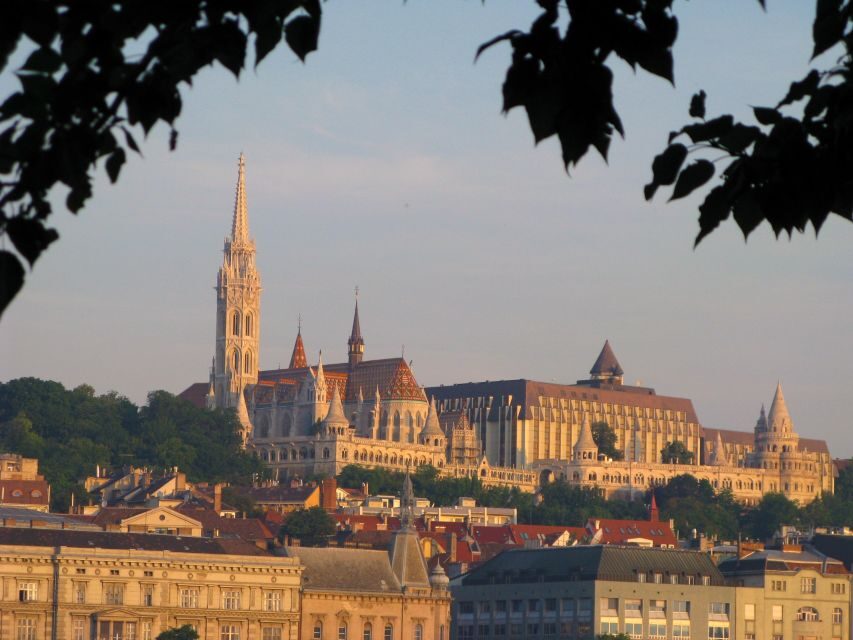
This is a smart “orientation with story” kind of tour. Instead of listing famous buildings, the guide ties them to the way Pest grew, changed, and still thinks differently from Buda. You’ll hear about Hungary’s past and also how people live with that past today. That approach matters, because Budapest is one of those cities where names, dates, and symbols show up everywhere. The tour helps you decode them while you’re still close to the street.
I also like the way the route mixes big icons with quick reads of the urban fabric. You get landmark moments (basilica, opera area, Heroes’ Square), but you also walk down streets where the details remind you you’re in a real city, not a theme park.
And because it’s limited to 10 participants, the guide can actually respond to your questions. That shows up in the guide styles people mention most: friendly, story-driven, and willing to answer everything from historical comparisons to modern-day city life.
You can also read our reviews of more walking tours in Budapest



Meeting Point at Kempinski Hotel Corvinus and Starting Smart
You meet in front of Kempinski Hotel Corvinus Budapest, facing the Ferris wheel on Erzsébet Square. The address is Erzsébet tér 7, 1051. This is a convenient launching pad because it’s well connected, and you’re right in the central area where the first big sights begin to make sense.
If you’re arriving early, I’d use the extra minutes to scan the area around Erzsébet Square. It’s the kind of place where you can orient your sense of direction before the walk turns into a history lesson. Also, keep your questions ready. The format is designed for Q and A, so having topics in mind helps you get more value from the guide’s answers.
St. Stephen’s Basilica: A Ticket-In Stop You’ll Want to See Up Close
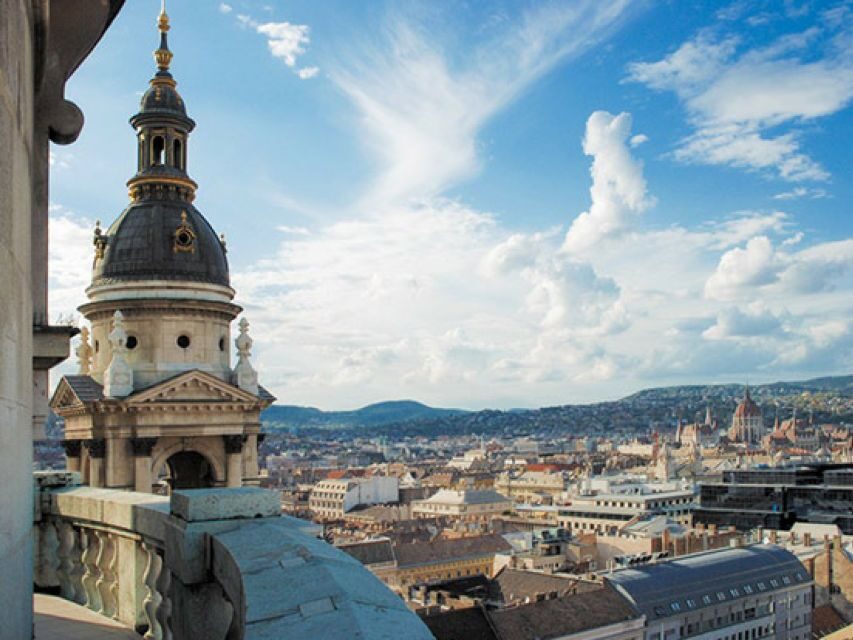
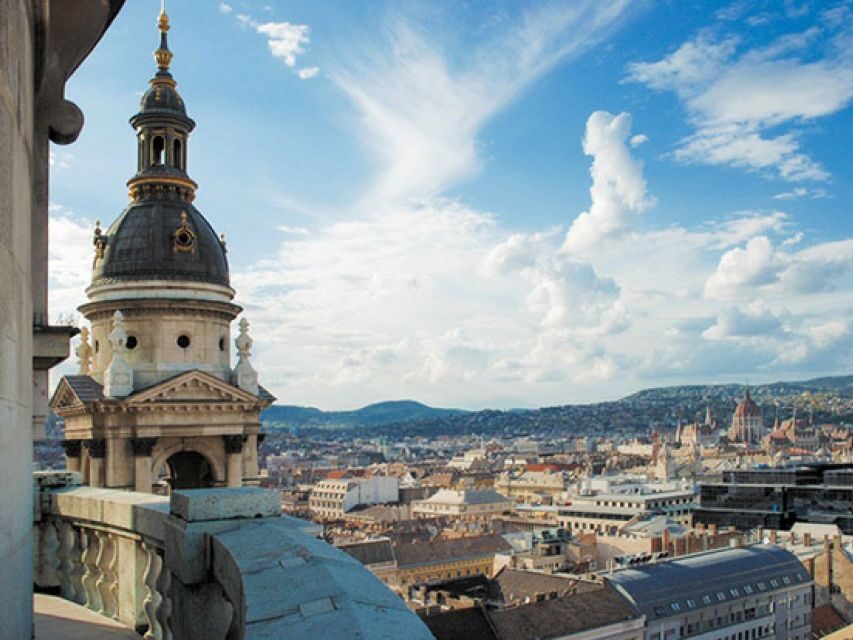
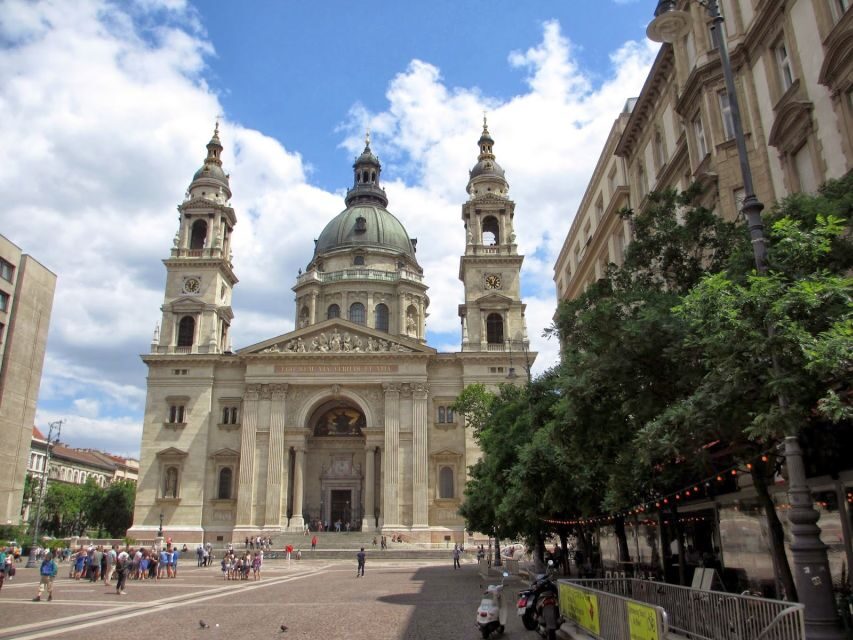
One highlight is St. Stephen’s Basilica, described as Budapest’s largest church, and you get the entrance ticket included. This is a big deal for practical reasons: you avoid the common first-timer problem of spending your limited sightseeing time standing around figuring out timing and tickets.
The basilica stop also works because it’s visually dominant in the city’s skyline. Even if you think you know it from photos, being there in person gives you a better sense of scale and civic importance. It’s the kind of monument where the story behind it helps the architecture feel meaningful, not just impressive.
What to watch for during your visit: take a few minutes to slow down and look for symbolic details rather than racing for the perfect view. Since the tour is only 3 hours, this is your best chance to switch from street-watching into “pause and absorb.”
Heroes’ Square: Where the Guide Turns Leaders Into a Timeline
Heroes’ Square is a focused moment on Hungarian influence, and the tour frames it as a place to understand major figures in the country’s story. It’s also where you can connect the dots between Hungary’s long timeline and the visuals you see across Budapest.
You’ll learn about the influential historical persons represented there, and that context is what makes the square more than a photo stop. Think of it like a quick visual textbook: you look at statues and you finally understand what they’re pointing to—politics, identity, and shifting power over time.
A nice bonus of this kind of stop is how it resets your perspective. After Heroes’ Square, the rest of Pest often feels easier to read because you’re carrying a mental timeline.
Andrássy Avenue and Gresham Palace: UNESCO Streetscape, Human Scale
You’ll walk Andrássy Avenue, which the tour highlights as a UNESCO world heritage site. This is where Budapest’s grandeur shows up in an everyday way: elegant façades, a grand urban plan, and a street rhythm you can actually experience on foot.
The tour also includes the Art Nouveau splendor of Gresham Palace as part of the stroll. That combination matters. It’s one thing to hear about architectural styles; it’s another to see how they sit next to the movement of real pedestrians, shops, and city life.
How I’d use this segment: don’t rush it. This is a great section to practice “slow looking” because the building details reward attention. If your brain is already full from history stops, this walk gives you a visual break while still staying in context.
You can also read our reviews of more tours and experiences in Budapest






Millennium Underground: The Oldest Subway Ride on the Continent
One of the most memorable parts is the ride on the Millennium Underground, noted as the oldest one on the continent. It’s short, but it changes the tone of the tour in a good way. After a walking-heavy history route, you get to experience Budapest’s transit past right in the middle of the city core.
For me, this kind of stop is where a city tour stops being only about buildings and starts being about how people move through time. Even if you’re not a transit nerd, you’ll come away with a clearer sense that Budapest’s identity shows up in everyday systems.
Practical note: you’ll have subway ticket(s) included, so you’re not scrambling to buy anything last-minute for the ride.
Danube Promenade, Zrínyi Street Cobblestones, and the Academy of Sciences Area
This tour isn’t only about the headline monuments. It weaves in several central streets and landmarks that give Pest its texture.
You’ll pass through or visit:
- the Danube Promenade
- the historic Academy of Sciences
- Zrínyi Street and its cobblestones
- the area around the Hungarian State Opera
- and other central inner-city sights that keep the walk feeling varied
These are important because they show you Pest as a working city, not just a list of landmarks. Cobblestones like those on Zrínyi Street also change the walking experience. You feel the ground under your feet, and that small sensory detail makes the place more real.
The Academy of Sciences area helps balance the “romantic grand architecture” feeling with something more intellectual and civic. And the Danube Promenade gives you a visual reset: you get the river’s presence back into your mental map, which is useful for planning what to do later.
Opera Neighborhood and the Grown-Up Side of Pest
The inclusion of the Hungarian State Opera area is a smart move for a 3-hour tour. Even if you don’t enter the opera building, simply walking through that neighborhood teaches you how Pest’s major institutions sit right beside everyday life.
This is also where the tour’s Pest-vs-Buda angle becomes clearer. Pest often feels more commercial, more outward-facing, and more driven by the energy of the downtown. The guide’s framing of mentality helps you notice that difference without having to guess.
If you want to turn the walk into a fuller evening plan, this is a good place to jot down what you’d like to return to after. The opera area can be an excellent starting point for later strolling and dinner nearby.
Price and Value: What $57 Really Buys You
The price is $57 per person for a 3-hour historian-led experience. That’s not bargain-basement pricing, but it also isn’t trying to be. What you’re paying for is the combination of:
- a live historian guide who can answer questions
- entrance ticket to St. Stephen’s Basilica
- subway ticket(s) for the Millennium Underground segment
- a tight route that covers multiple major Pest landmarks without wasting time
In practical terms, the value comes from saving effort. You’re not doing a self-guided scavenger hunt across central Budapest. Instead, you get a human explanation that connects what you’re seeing. And because entry and transit are included, you avoid the common “cheap tour” trap where you later learn you have to pay for the key items anyway.
Also, the group size cap at 10 is part of the value. In a small group, history doesn’t turn into background noise. You’re more likely to get direct answers and not just hear the same speech delivered to everyone.
Who This Tour Fits Best
This tour is a strong match if you want:
- an intro to Pest’s history and identity
- a walk that includes big landmarks without being rushed
- a guide who’s comfortable with questions, including current-day context
- a route you can use later for independent exploring
It’s also a good fit for first-time Budapest visitors who want to get bearings fast while still understanding what they’re looking at. If you’re the type who likes hearing how political eras show up in streets and buildings, you’ll likely feel the tour is doing more than checking boxes.
If you hate being on a schedule, remember it’s 3 hours. You’ll see a lot, but you won’t have the freedom to linger as long as you might on your own.
Should You Book This Pest with a Historian Tour?
I’d book it if you’re short on time and want Pest to make sense. The included basilica ticket, the Millennium Underground ride, and the way the route connects symbols to real life are exactly the kind of shortcuts that make a first visit smoother.
Skip it only if you already feel confident in Hungarian history and you prefer to travel totally at your own pace with no guided structure. For most visitors, though, this is one of the cleanest ways to turn central Budapest from a postcard into a story you can actually follow.
FAQ
How long is the Budapest Pest walking tour?
It lasts 3 hours.
What’s included in the tour price?
The tour includes a historian guide, entrance ticket to St. Stephen’s Basilica, subway ticket(s), and the walking tour.
Is the St. Stephen’s Basilica entrance ticket included?
Yes. Your entrance ticket to St. Stephen’s Basilica inside is included.
What is the meeting point?
You meet in front of Kempinski Hotel Corvinus Budapest, facing the Ferris wheel on Erzsébet square (Erzsébet tér 7, 1051).
What language is the tour offered in?
The tour is in English.
Is there free cancellation?
Yes. It offers free cancellation up to 24 hours in advance for a full refund.