REVIEW · 3-HOUR EXPERIENCES
Budapest: 3-Hour Trabant Sightseeing Tour
Book on GetYourGuide →Operated by Cityrama Budapest Travel Agency · Bookable on GetYourGuide
A Trabant makes Budapest feel like a movie set. This 3-hour ride blends behind-the-wheel nostalgia with a guided look at the city’s communist-era landmarks.
I especially like that you’re not just staring out a window. You’re getting the whole experience of an original Trabant 601, right down to the simple, old-school driving process.
One real consideration: it’s a small, old car. If you’re tall, or if mechanical gremlins show up (they can), your comfort and timing may take a hit.
In This Review
- Quick take: why this Trabant tour works
- What you’ll actually do in 3 hours (and why it’s worth it)
- Getting behind the wheel of a Trabant 601 (how it feels, what to bring)
- Comfort reality check for tall passengers
- Communist-era Budapest sights you can picture, even if you’re not a history buff
- Communist Statue Park: why seeing it from the outside matters
- Ecseri flea market: a different kind of nostalgia
- The prefabricated flat blocks: the city behind the statues
- Option to switch to major attractions
- The guide makes or breaks it: what to look for (Andre’s impact)
- Price and value: $294 per group (how to decide if it fits)
- Where this tour shines (and where it doesn’t)
- A practical tip if you want to drive
- Optional: continuing in a Trabant with an airport transfer
- Should you book this 3-hour Trabant tour?
- FAQ
- How long is the Budapest Trabant sightseeing tour?
- What’s the group size?
- Is the tour guided, and what language is available?
- Do I need a driver’s license?
- Can I drive the Trabant during the tour?
- What sights are included?
- Is hotel pickup included?
- Is there an airport transfer option?
- What are the cancellation and payment options?
Quick take: why this Trabant tour works
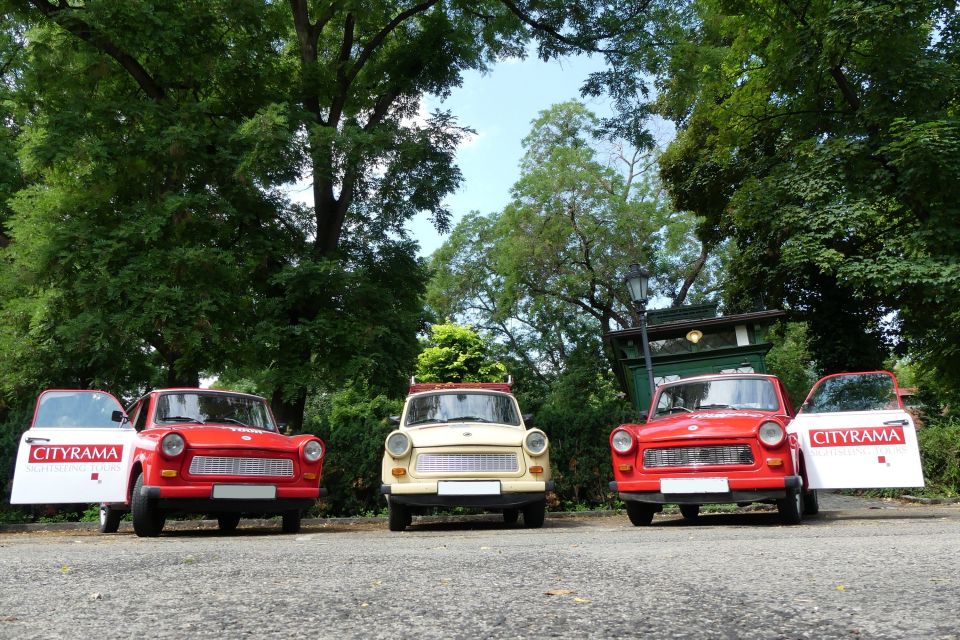
- Drive an authentic Trabant 601 and feel the character of a 2-stroke classic
- Small group of up to 3 with hotel pickup from within Budapest
- Communist-era stops like Communist Statue Park, plus Ecseri and 1970s–80s housing blocks
- English live guide, with plenty of room for questions (Andre’s the name that shows up in feedback)
- Trip can switch styles: communist-focused route or more standard city highlights
What you’ll actually do in 3 hours (and why it’s worth it)
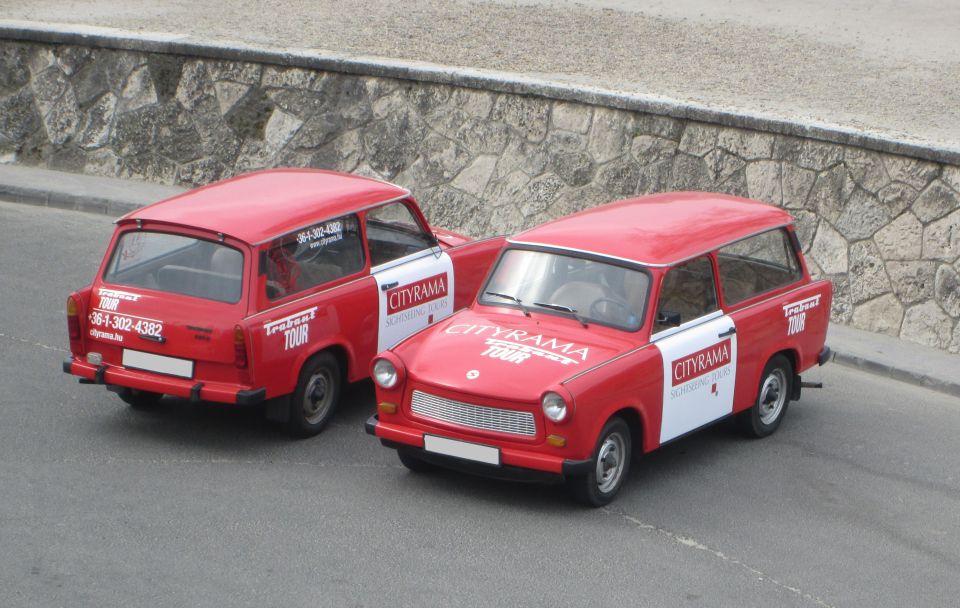
This tour is built around one simple idea: you get moving, then you get explained. Three hours sounds short, but it’s a great match for Budapest, especially if you want an experience that feels different from the usual bus-and-photos routine.
You’ll be in a small group limited to 3 participants, which makes the guide’s pace feel personal. Pickup is also included from hotels, apartments, Airbnbs, or private addresses within Budapest—so you’re not wasting your limited time finding the meeting point.
Because the tour mixes driving with sightseeing, it’s also more than transportation. The driving is part of the story. You don’t just learn about the communist-era city layout—you see how the streets and buildings look when you’re riding through them at a slow, classic pace.
You can also read our reviews of more tours and experiences in Budapest


Getting behind the wheel of a Trabant 601 (how it feels, what to bring)
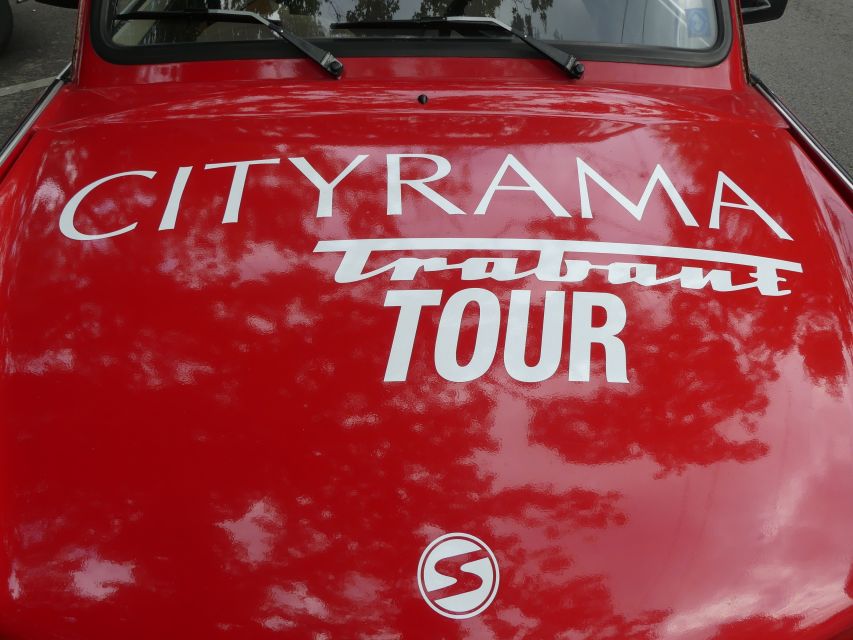
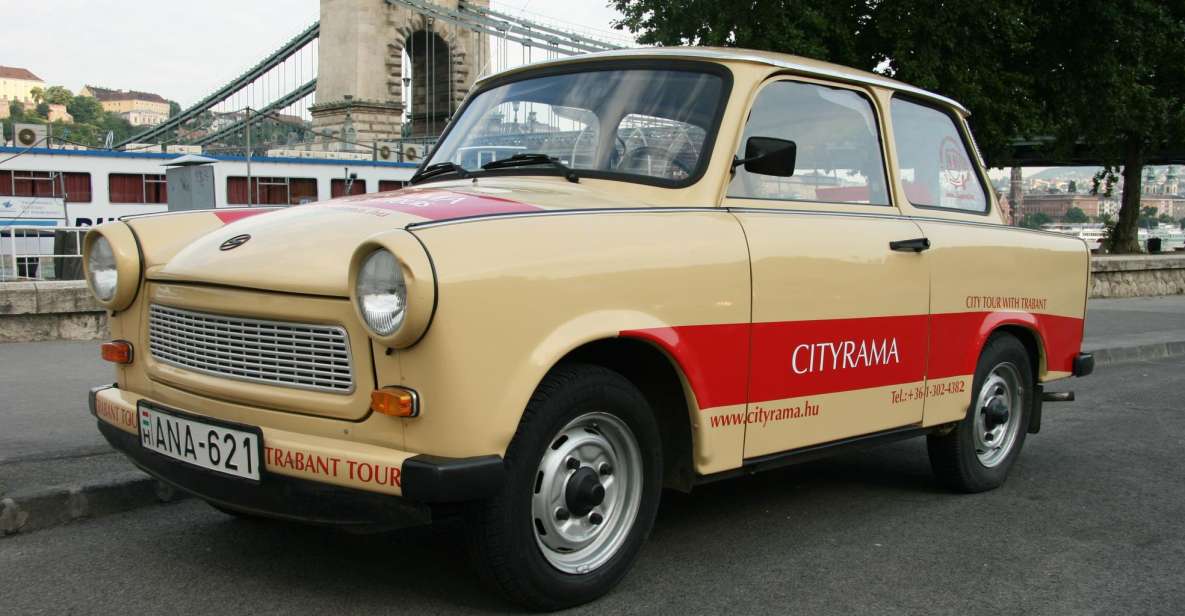
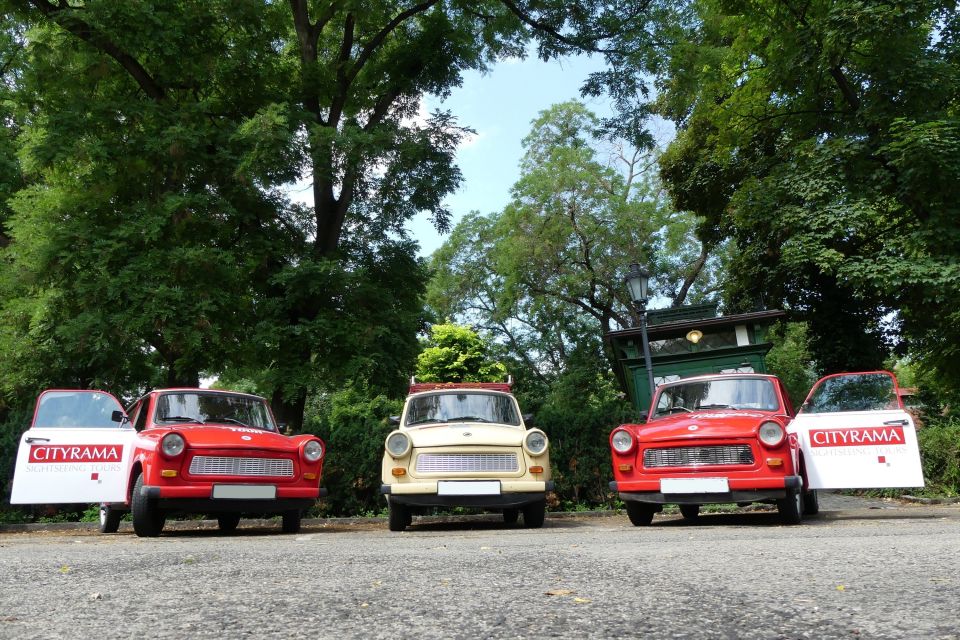
The star is the Trabant 601, often described as a “paper Jaguar.” It’s a famous oddball: a 2-stroke engine, about 26 horsepower, and a claimed 0–60 kph time of 21 seconds—basically the point where you stop thinking like a modern driver and start thinking like a passenger in history.
If you want to drive, bring your valid driving license. The tour requires a license for driving, and the car experience is much better when you’re steering instead of just sitting.
The basic steps you’ll be working with are wonderfully mechanical:
- Check the fuel dip-stick to confirm the tank isn’t empty
- Open the fuel tap
- Push the clutch pedal
- Shift to first gear and go
That means you should mentally prepare for something that feels straightforward, but not “modern.” This isn’t a luxury rental; it’s an original small machine designed for a different era of driving and speed.
Comfort reality check for tall passengers
One of the most consistent practical notes: the back seating can feel tight, especially for taller people. If you’re tall or you’re sharing the back seat, plan on a more snug fit than you’d expect from today’s cars. If you’re flexible on comfort and excited by the vibe, you’ll probably love it anyway—because the photo opportunities are real, and the car draws attention.
Communist-era Budapest sights you can picture, even if you’re not a history buff
You’ll get a guided look at communist-era Budapest through specific stops the route is built around. The tour commonly highlights three targets:
1) Communist Statue Park
2) Ecseri flea market
3) typical prefabricated flat blocks built in the 1970s and 1980s
Even if history isn’t your main topic, these places help you see how a city functions when it was shaped by state planning. The value here isn’t a memorized lecture. It’s the way the guide ties buildings and streets to the lived reality of an era.
Communist Statue Park: why seeing it from the outside matters
Statue parks are often approached like museums—look, read, move on. Here, you’re seeing it as a living urban space tied to the city’s past. The setting makes the symbolism easier to feel, not just understand.
As the guide talks, the details start to click: which ideas were celebrated, which were staged, and how public space was used. This is the kind of stop that makes you slow down and take photos, then ask one more question before you move on.






Ecseri flea market: a different kind of nostalgia
The tour also points you toward the Ecseri flea market, which brings a very “real life” angle into a city tour. Flea markets are where everyday objects and everyday stories mix. Even without getting lost in details, it’s a helpful contrast to grand monuments—one place shows the big public image, the other shows how people filled daily life.
If you enjoy colorful street-level culture, Ecseri can be the stop that makes the whole day feel less like a reenactment and more like a snapshot of how Budapest still moves.
The prefabricated flat blocks: the city behind the statues
Those 1970s and 1980s prefabricated housing blocks matter because they’re architecture you pass every day, even when you don’t realize it. The tour nudges you to look at those buildings with context: what they were meant to do, how they shaped neighborhoods, and how they still define parts of the city.
What I like about this choice is that it turns “communist history” from abstract dates into something visual and walkable. Buildings become evidence.
Option to switch to major attractions
If you’d rather treat this as a more normal city tour, the route can also lean that way. In other words, you’re not locked into only the communist storytelling. You can choose the style that fits your trip: nostalgia and backstory, or classic Budapest highlights with the Trabant twist.
The guide makes or breaks it: what to look for (Andre’s impact)
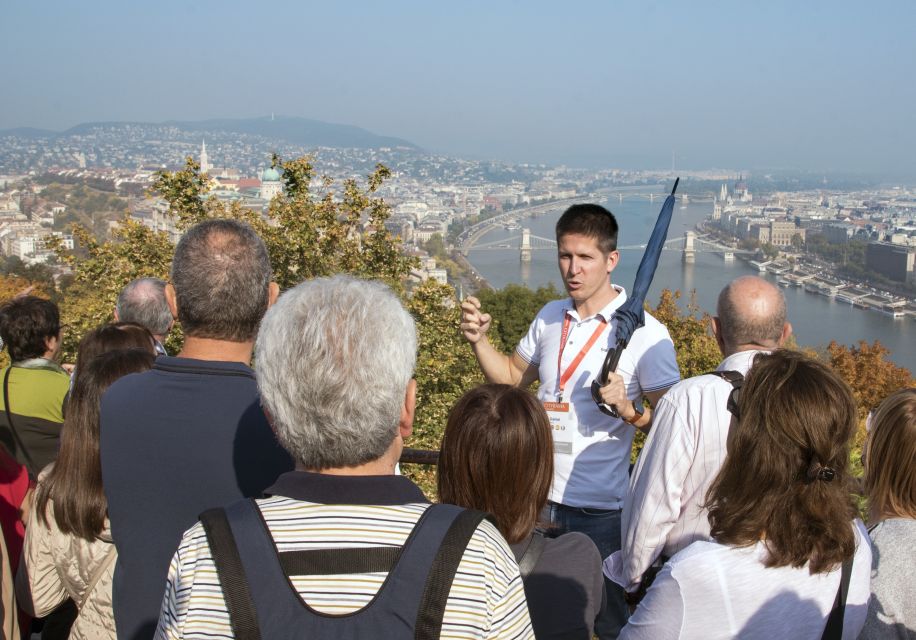
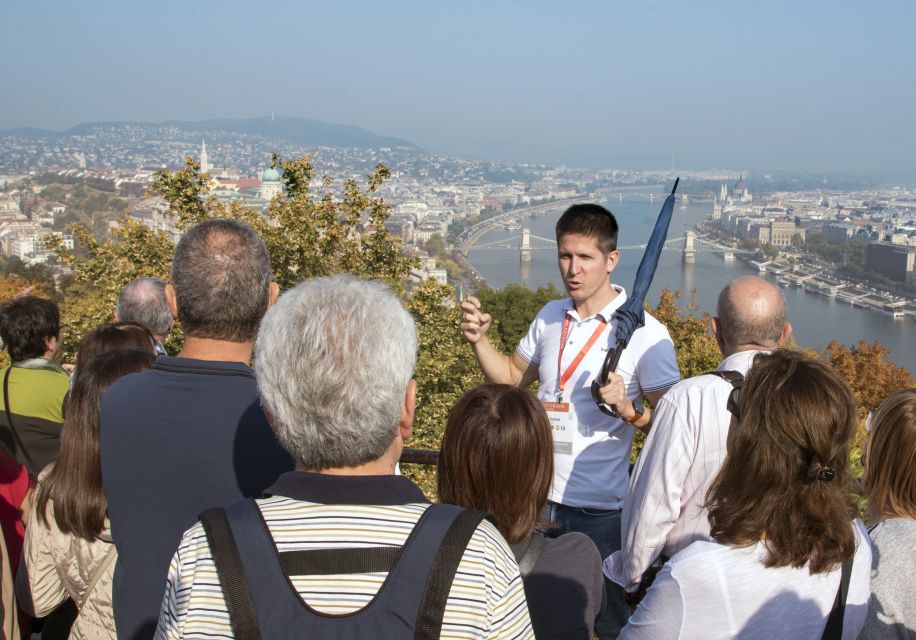
The tour includes a live guide in English, and that’s a big part of the value. This isn’t just pointing at buildings. It’s the explanation—plus the back-and-forth—that turns a sightseeing stop into something you actually remember later.
One guide name that comes up is Andre. Feedback emphasizes that Andre speaks excellent English, explains the city with genuine knowledge, and answers questions well. That matters for you because you can steer the conversation. If you care about how neighborhoods formed, ask. If you want the symbolism behind statues, ask. You’re in a small group, so you’re not just hearing a script you can’t interrupt.
A lot of “history tours” drag. This one feels more like a guided conversation with a person who cares about how Budapest works.
Price and value: $294 per group (how to decide if it fits)
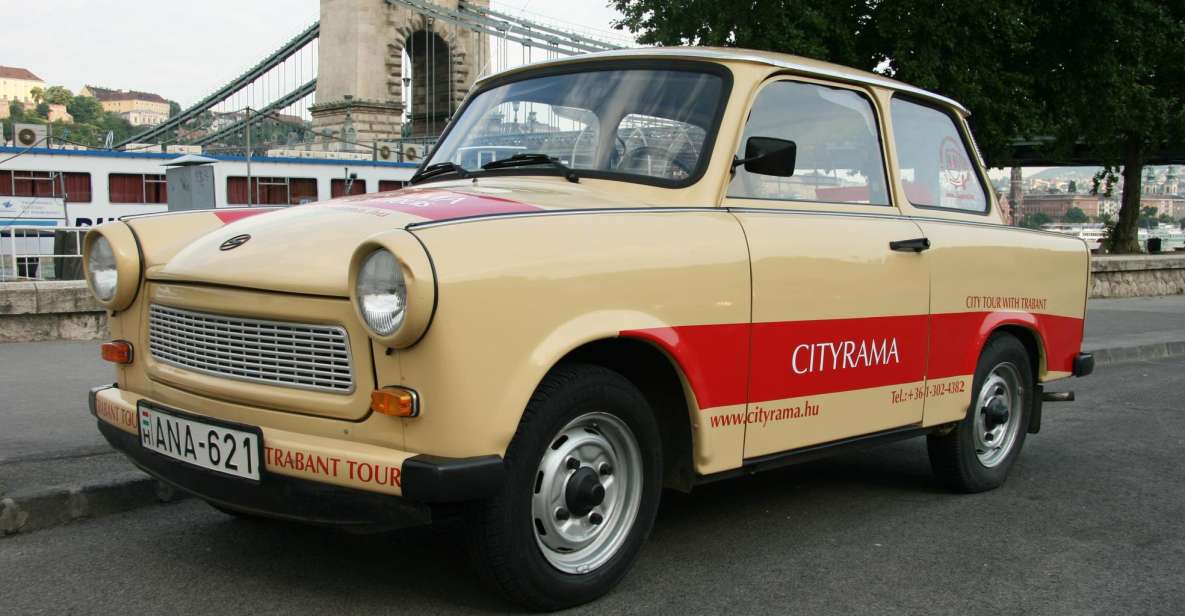
The price is $294 per group up to 3 for a 3-hour tour. On paper, that sounds steep—until you do the math.
- If you book for 1 person: you’re paying the full group price.
- If you can fill the car with 2 or 3 people: your effective cost drops fast.
What makes the price feel more justified is what you’re getting:
- Original Trabant experience (the car itself is the main cost driver)
- Hotel pickup from within Budapest
- English live guide
- A small-group setting that gives you more attention than a big group bus tour
Also, there’s an optional add-on that can make this a smarter spend if it matches your schedule: a Trabant airport transfer. If you’re already planning a transfer and you like the idea of continuing the theme, you can turn this into a full “Budapest in a Trabant” day rather than a one-off.
Where this tour shines (and where it doesn’t)

This is a strong fit if:
- You love cars, or even just the idea of driving something unusual and iconic
- You want more than “sightseeing photos” and care about how the city was shaped
- You like small-group tours where you can ask questions
- You’re curious about communist-era Budapest beyond the textbook version
It’s less ideal if:
- You need maximum comfort and modern seating space
- You’re counting on a perfectly smooth, mechanical experience with zero surprises
- You’re traveling with expectations that driving will happen automatically—because you should be proactive (see next)
A practical tip if you want to drive
If driving is your main reason for booking, be clear ahead of time that you want to be behind the wheel. One piece of feedback described disappointment when the option didn’t feel offered during the process, even though driving was expected. The simplest fix is to ask directly and confirm before you arrive. Then bring that driving license.
Optional: continuing in a Trabant with an airport transfer

If your trip rhythm works, you can book a Trabant airport transfer. The idea is straightforward: keep the experience going after the city tour, instead of switching back to normal transport right away.
This is especially appealing if you’re the type who likes a theme. Land, drive, sightsee, then finish the story in the same style.
Should you book this 3-hour Trabant tour?
Book it if you want something you can’t replicate elsewhere: real driving time in an original Trabant, a small-group feel, and a guided look at communist-era Budapest through places like Communist Statue Park and the flat blocks of the 1970s and 1980s.
Skip it or rethink if you’re mainly after a comfortable, predictable tour that prioritizes modern comfort and guaranteed logistics. Also, if you’re tall, plan for cramped seating. And if driving is non-negotiable, confirm you’ll get the chance to drive before the day of the tour.
If you go in with the right mindset—cars first, story second, photos always—you’ll likely walk away grinning, even after the nostalgia fades.
FAQ
How long is the Budapest Trabant sightseeing tour?
It lasts 3 hours.
What’s the group size?
It’s a small group limited to 3 participants.
Is the tour guided, and what language is available?
Yes. There’s a live tour guide in English.
Do I need a driver’s license?
If you plan to drive the Trabant, a valid driving license is required.
Can I drive the Trabant during the tour?
The tour can involve driving, but a valid driving license is required. Make sure you’re prepared to drive if that’s what you want.
What sights are included?
The tour recommends visiting Communist Statue Park, the Ecseri flea market, and prefabricated 1970s–1980s flat blocks. You may also be able to enjoy a more normal city tour instead.
Is hotel pickup included?
Yes. Hotel pickup is included from accommodations within Budapest, including hotels, apartments, Airbnbs, and private addresses, from wherever you’d like to start within Budapest.
Is there an airport transfer option?
Yes. You can book an optional airport transfer in a Trabant.
What are the cancellation and payment options?
You can cancel up to 24 hours in advance for a full refund. You can also reserve now and pay later, depending on availability.