REVIEW · 2-HOUR EXPERIENCES
2 Hours Buda Castle Walking Tour – Walk with a Historian
Book on GetYourGuide →Operated by Kálmán Dániel - Walk with a Historian · Bookable on GetYourGuide
Two hours, and the Castle starts to make sense. I love pairing Matthias Church with the Buda Castle Synagogue-Museum, and I like how you move from the civilian quarter toward the kings seat with a field-expert historian. The only catch is the time: 2 hours means you will probably want to revisit a couple spots afterward if you fall behind the pace.
This walk also pays attention to the stuff you usually miss. You pass the remains of the Mary Magdalene Church, then you get story-led context for how the district kept changing across centuries, from medieval to Ottoman to modern.
You get a real live guide, not just a handset. The tour is in English with Kálmán Dániel, and you start right by the Castle Gate area at the Lutheran Church of Buda Castle so it is easy to find and get moving.
In This Review
- Quick reasons this Buda Castle walk works
- Meet by the Castle Gate, then walk into the stories
- Starting in the civilian quarter: how street-level history changes
- The Jewish Synagogue-Museum stop: a smaller site with a big backstory
- Mary Magdalene Church remains: reading traces instead of only icons
- Entering Matthias Church: included entry and full glory
- Buda Castle itself: kings, power, and where your walk ends
- Value check: is $49 worth it?
- What you will learn as you walk (and why it sticks)
- Practical tips to get the most from the 2-hour format
- Who should book this Buda Castle walking tour
- Should you book it?
- FAQ
- How long is the Buda Castle Walking Tour?
- How much does the tour cost?
- Where do I meet the guide?
- What languages is the tour offered in?
- What famous sites does the tour include?
- Is entry to Matthias Church included?
- Is entry to the synagogue-museum included?
- Does the tour include food or drinks?
- What is included with the price besides the tickets?
- Is free cancellation available?
Quick reasons this Buda Castle walk works
- Historian guide, live and in English (Kálmán Dániel): you are there for explanations you can ask about.
- Matthias Church entry included: you do not have to hunt for tickets first.
- Jewish Synagogue-Museum stop: a smaller site with a story tied to a bigger synagogue that used to be nearby.
- Mary Magdalene Church remains: you learn to read ruins and traces, not just monuments.
- Streets count here: you hear tales that connect the district layout to Hungarian history.
- 2 hours with a clear end: you finish inside the castle area at Buda Castle itself.
Meet by the Castle Gate, then walk into the stories
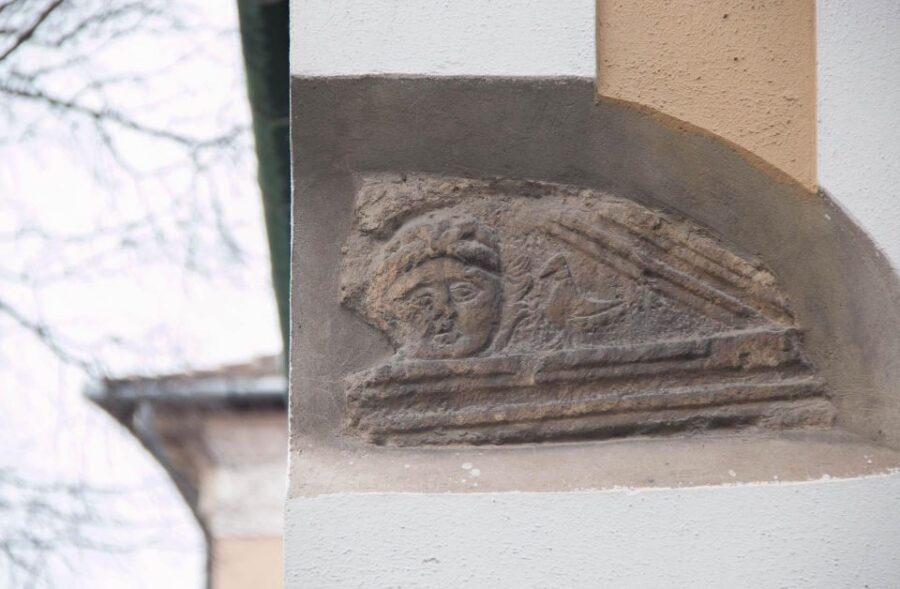
The tour runs for 2 hours and is led in English by historian Kálmán Dániel. You meet in front of the Lutheran Church of Buda Castle, the white church right in front of the Castle Gate.
From there, the walk focuses on the “civilian” side first, then gradually works toward the ancient seat of Hungarian kings. That order matters because you see the district as a connected system, not as separate postcard stops.
If you are the type who likes to understand where you are standing while you move, this format fits. You are not stuck in one building. You are walking through the same streets and seeing how the meanings shift.
You can also read our reviews of more walking tours in Budapest



Starting in the civilian quarter: how street-level history changes
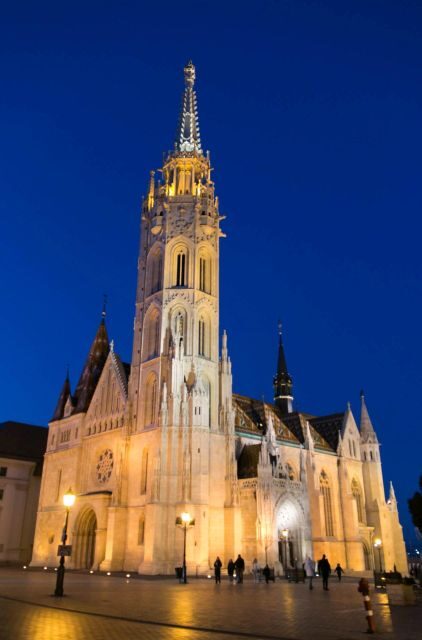
The tour begins in the civilian quarter area and ties your first steps to why Buda Castle mattered beyond the royal walls. You start around Bécsi kapu Square, then you work your way through the district while the guide explains what each part was used for and why it developed the way it did.
This is one of the most practical parts of the experience. Once you understand the district’s role, the whole area stops feeling like a single big viewpoint platform and starts feeling like a place with jobs, communities, and power moving around.
Also, you will get attention on the streets themselves. That sounds basic, but it is a big difference from tours that only name buildings. Here, the guide connects street layout and local tales to what Hungary went through.
The Jewish Synagogue-Museum stop: a smaller site with a big backstory
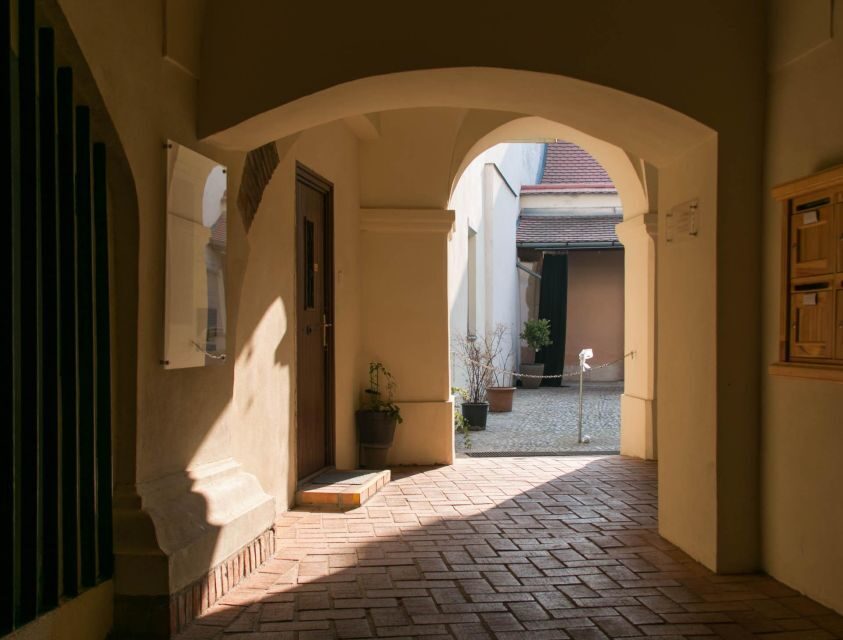
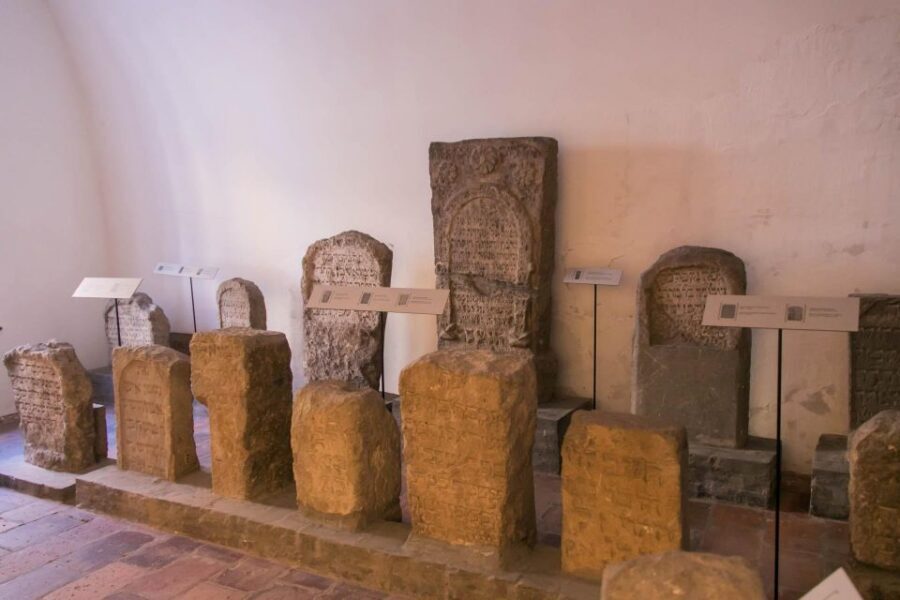
One of the most memorable moments is the visit to the Buda Castle Synagogue-Museum. The tour includes entry, and the focus is on a unique small synagogue-museum rather than the more obvious landmarks people tend to chase.
What makes this stop feel worth your time is the way the story is framed. You hear the tale of a bigger synagogue that once stood nearby, and then you learn how this smaller museum space carries that memory.
If Jewish history in Budapest is on your list, this is a smart way to approach it without turning your day into museum hopping. You get a guided explanation and a clear link between place and past.
Mary Magdalene Church remains: reading traces instead of only icons

Next up, you visit the remains of the Mary Magdalene Church. Not every tour includes ruins, even though ruins can be some of the most honest evidence of what changed over time.
The district has marks from multiple eras, and this stop helps you notice them. You are not just seeing a perfect preserved building; you are learning how the past leaves signals behind, even when the original structure is gone.
This is especially useful when you are trying to picture centuries you cannot physically see. The guide’s job is to help those time gaps shrink, so when you later reach Matthias Church and Buda Castle, they feel like the next chapter rather than unrelated highlights.
Entering Matthias Church: included entry and full glory
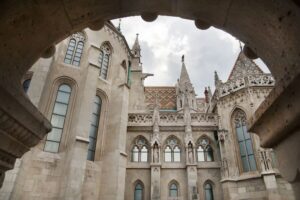
Matthias Church is the headline stop, and the tour includes entry. You get to visit the church in its full glory, with the historian guiding what you should notice and how the building fits into Hungary’s story.
What I like about this approach is that you are not just admiring the exterior and moving on. You are inside, with time to understand what you are looking at and why it matters in the bigger picture of the district.
Matthias Church also acts like a anchor point for the walk. After seeing the civilian streets and traces like the Mary Magdalene remains, entering Matthias helps you feel the jump between daily life and royal-era importance.
You can also read our reviews of more tours and experiences in Budapest






Buda Castle itself: kings, power, and where your walk ends
The tour finishes at Buda Castle. This is where the district shifts from stories of communities and institutions to the ancient seat of Hungarian kings—the place tied directly to power.
You do not just stop for a photo and call it done. The guide keeps tying the area back to the theme of the day: medieval and Ottoman influence as well as the modern period, all layered across the district.
It is also the practical endpoint. In a place this big, ending at Buda Castle helps you decide what to do next. You know where you are in the overall geography, and you can add your own time to explore based on what you liked most during the walk.
Value check: is $49 worth it?
At $49 per person for a 2-hour guided walk, the value depends on what you typically spend time and money on. Here, your ticket includes several important elements: a field expert historian guide, entry to Matthias Church, and entry to the Jewish Synagogue-Museum.
That matters because you are not paying separately for the two indoor stops. You are also getting context that would be hard to piece together on your own when you are moving through an active historic district with multiple time layers.
Food is not included, so if you plan to snack during the walk, you will need to add that separately. If you are happy to treat this as a focused history block (then eat after), you get a clean, efficient use of time.
Overall, I think the price is fair if you want the guide’s interpretation and you plan to go inside both Matthias Church and the synagogue-museum. If you only care about one of those, then you might find yourself feeling like you paid for stops you would not have chosen.
What you will learn as you walk (and why it sticks)
The key learning style here is motion. You are not sitting through a lecture. You are pairing what you see with what the guide explains, while the district layout does part of the teaching.
You will learn about:
- The history of the district and how it connects to Hungary as a whole
- Medieval and Ottoman-era influences alongside the modern period
- The way multiple communities left marks, including Jewish sites
- How stories attach to streets, not just monuments
That combination helps it stick, especially if you are visiting Budapest for the first time. You get a sense of continuity across centuries, so the area stops feeling like a list of attractions and starts feeling like a timeline you can walk through.
Practical tips to get the most from the 2-hour format
This is a walking tour, so plan for steady movement. The time window is tight enough that you will not have long free wander time at every stop, and that is a good thing if you want a guided hit of meaning fast.
If Matthias Church or the synagogue-museum are your top priorities, arrive ready to look and listen when you get there. That is when the included entry becomes most valuable, because the guide can point you toward what to notice rather than just letting you figure it out later.
And since the tour does not include food and drink, decide ahead of time what you will do after. You might want to schedule your meal right after the walk so you do not feel rushed while hungry.
Who should book this Buda Castle walking tour
This tour fits you best if:
- You want a historian-led walk rather than a self-guided route
- You care about connecting Hungarian history to the actual streets and buildings
- You want both a major highlight like Matthias Church and a more specific stop like the Jewish Synagogue-Museum
- You prefer a focused 2-hour experience that ends at Buda Castle, so you can keep exploring afterward
It may not be the best match if you are looking for a super long museum day or if you dislike group pacing. Since the structure is built around multiple sites, you will need to be comfortable moving through a sequence.
Should you book it?
I would book this Buda Castle walking tour with a historian if you want a time-efficient way to understand the district. The mix of Matthias Church, the Buda Castle Synagogue-Museum, and the traces of the Mary Magdalene Church gives you variety without random detours.
If you like your travel with context and you enjoy learning while walking, this tour is a strong value at $49 because the key entries are included. And ending at Buda Castle gives you a natural launch point for whatever you feel like doing next.
FAQ
How long is the Buda Castle Walking Tour?
The tour lasts 2 hours.
How much does the tour cost?
It costs $49 per person.
Where do I meet the guide?
Meet in front of the Lutheran Church of Buda Castle, the white church in front of the Castle Gate.
What languages is the tour offered in?
The tour is offered in English.
What famous sites does the tour include?
You visit Matthias Church and Buda Castle.
Is entry to Matthias Church included?
Yes. Entry to the Matthias Church is included.
Is entry to the synagogue-museum included?
Yes. Entry to the Jewish Synagogue-Museum is included.
Does the tour include food or drinks?
Food and drink at a local café is not included (it is optional).
What is included with the price besides the tickets?
The price includes a field expert historian guide and the walking tour.
Is free cancellation available?
Yes. You can cancel up to 24 hours in advance for a full refund.