REVIEW · JEWISH QUARTER & SYNAGOGUE TOURS
Budapest Jewish Cuisine & Culture Walk
Book on Viator →Operated by Taste Hungary · Bookable on Viator
Budapest has a way of folding big history into everyday streets. This Jewish Cuisine & Culture Walk turns the old 7th-district neighborhood into a living lesson, with synagogue sights, WWII memorials, and real food stops along the way. I especially like how the guide ties the area’s past to what you can taste and see today, and I like the lineup of Jewish comfort foods plus lunch and pálinka. One possible drawback: the tasting menu can shift by day, so you may not get every exact bite you’re hoping for.
The tour runs about 4 hours, stays in the 7th district, and is built for small groups—max 8 people, with many departures kept very small. Guides who have led past groups, like Anna, Orsi, Eszter, Andrew, and Daniel, earned strong praise for mixing history with food details and keeping the pace friendly. If you’re the kind of eater who hates surprises, be aware that your exact stops and portions can vary a bit depending on availability.
In This Review
- Key highlights you’ll actually feel
- Getting your bearings in Budapest’s 7th district
- WWII ghetto context without turning it into a lecture
- Dohány Street Synagogue exterior and WWII memorial stops
- Jewish tastings: flodni, turos taska, and the comfort-food logic
- Lunch with solet, goose soup, and wine
- Pálinka in a ruin pub: the fun finish that still fits the theme
- Group size, pacing, and timing (what to plan for)
- Price and value: what $155 buys you in practice
- Who this tour suits best
- Should you book this Budapest Jewish Cuisine & Culture Walk?
- FAQ
- How long is the Budapest Jewish Cuisine & Culture Walk?
- Where does the tour start?
- What time does the tour start?
- What language is the tour offered in?
- What’s included in the price?
- Does the tour include entry to the Dohány Grand Synagogue?
- How big is the group?
- Are dietary requirements accommodated?
- What happens if the minimum number of travelers isn’t met?
- What is the cancellation policy?
- Final decision: book it for the food, stay for the meaning
Key highlights you’ll actually feel
- Old Jewish quarter history on foot: you’ll connect medieval roots, the WWII ghetto, and today’s food-and-bar scene.
- Dohány Street Synagogue exterior plus WWII memorials: big visual landmarks, with context you can’t get from a photo.
- Sweet and savory Jewish tastings: flodni and turos taska (curd-cheese pastries) are favorites, alongside options like sausage and goose crackling.
- A proper Jewish lunch with wine: solet (bean stew) and goose soup are part of the usual meal style.
- Kosher pálinka at the end: a classic Hungarian drink moment in a ruin pub or wine bar setting.
- Small-group feel: easier questions, better pacing, and more guide attention than the typical bus-tour crowd.
Getting your bearings in Budapest’s 7th district
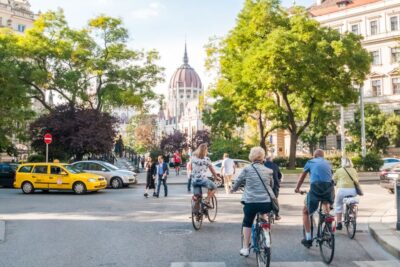
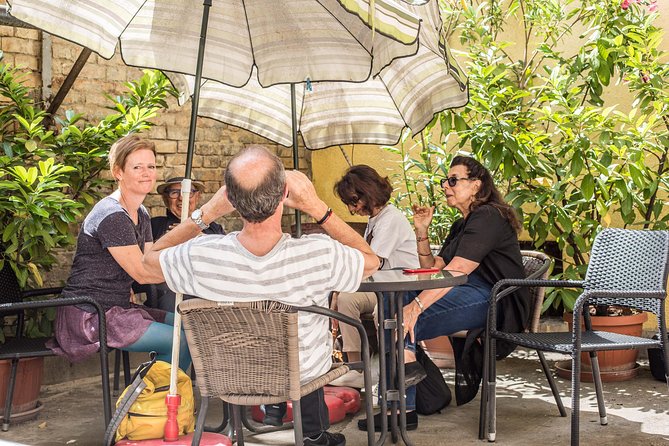
You start in the Seventh District, Budapest’s Jewish-life neighborhood and one of the city’s best places to walk and people-watch. The streets mix older buildings with newer cafés and designer shops, and that contrast is exactly what the tour is built to explain.
I like that the guide sets the scene early. You don’t just hear names and dates; you learn how the community shaped daily life here, then how that life was brutally interrupted during WWII. From there, everything on the route starts to make more sense.
A quick practical tip: dress for walking and for stopping. You’ll pause for sights, photos, and explanations, not just stroll through.
You can also read our reviews of more walking tours in Budapest



WWII ghetto context without turning it into a lecture
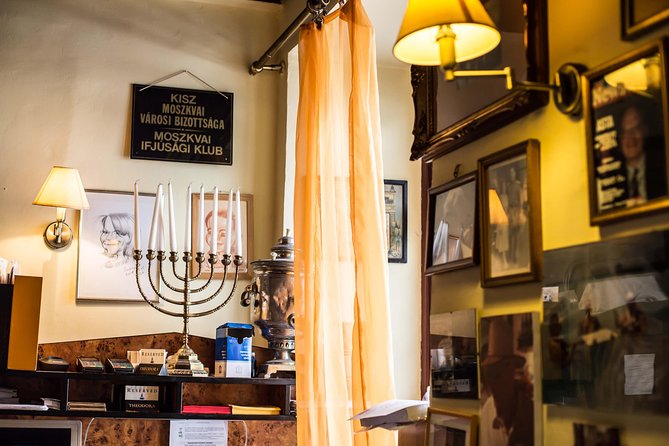
This is the heart of the experience. As you walk, the guide explains how the area’s Jewish community changed over centuries, then how the neighborhood was turned into a Jewish ghetto during WWII. The way it’s presented matters: it’s not just tragic—it’s also about survival, continuity, and what came next.
You’ll see how the surviving community helped set the foundations for the Jewish culture that still shows up today—especially in food traditions and public gathering spots. That’s why this tour works so well for first-timers: it gives you the background so the streets don’t feel random.
You should know one thing up front: this is emotionally heavy material. If you need a gentler pace, tell your guide early and they can likely adjust the rhythm of conversations and stops.
Dohány Street Synagogue exterior and WWII memorial stops
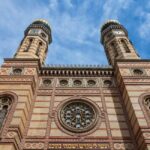
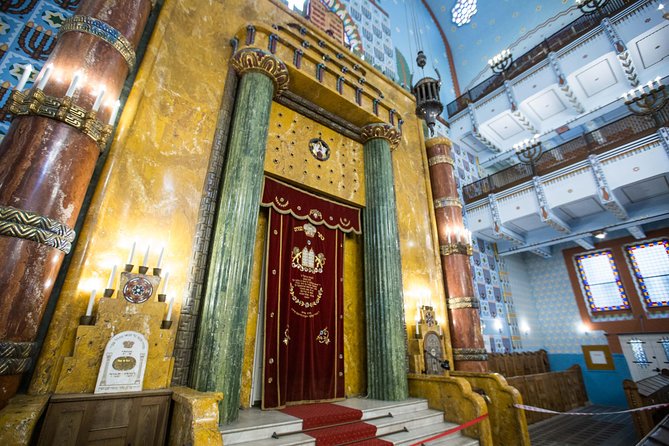
One of the biggest visual anchors on the walk is the Dohány Street Synagogue, Europe’s largest synagogue, known for its striking Moorish-style exterior. You’ll stop to admire it and understand why it’s such an important landmark.
Right after that, the focus shifts to the WWII Jewish memorial sites. These stops are where the tour becomes more than sightseeing. You’ll learn what the memorials represent, and the guide helps connect the symbols you’re seeing to the scale of loss.
Important entry note: the tour includes entrance fees for a synagogue experience, but entrance fees to the Dohány Grand Synagogue are not included. So if you want to go beyond the exterior and see more on your own later, plan a separate visit day or budget for any extra admission.
Jewish tastings: flodni, turos taska, and the comfort-food logic
Food is the easiest way to understand culture, because you remember it after the history fades. Here, you’ll get multiple stops for tastings, mixing sweet and savory bites.
Common favorites include:
- flodni (sweet dough with fillings, often fruit or poppy-seed style)
- turos taska (curd-cheese pastry)
- savory bites that can include sausage and goose crackling
The exact lineup can change based on day-of availability, and that’s where you should calibrate expectations. If you’re traveling with a strict must-eat list, treat the tasting as a best-effort sampler, not a guaranteed menu.
Also: portions can feel snack-sized between stops. That’s normal for a walking food tour. If you want a big meal right away, you’ll likely be happier grabbing a light breakfast and trusting the lunch later in the day.
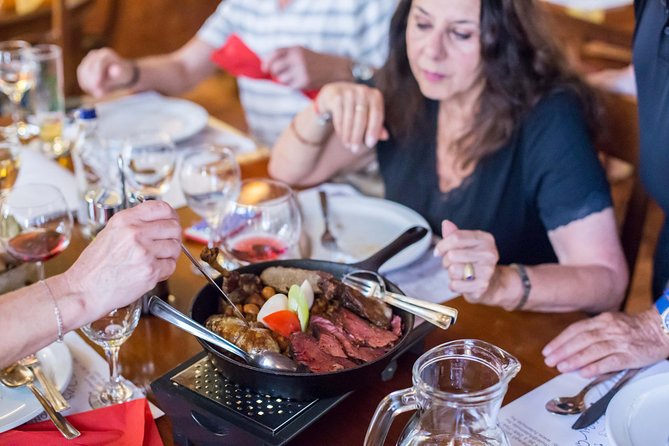
Lunch with solet, goose soup, and wine
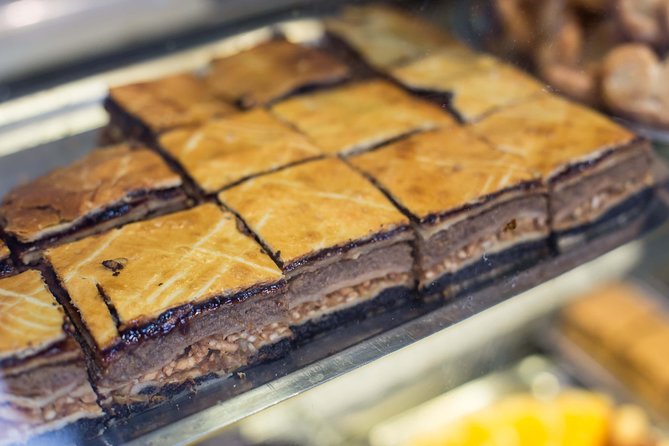
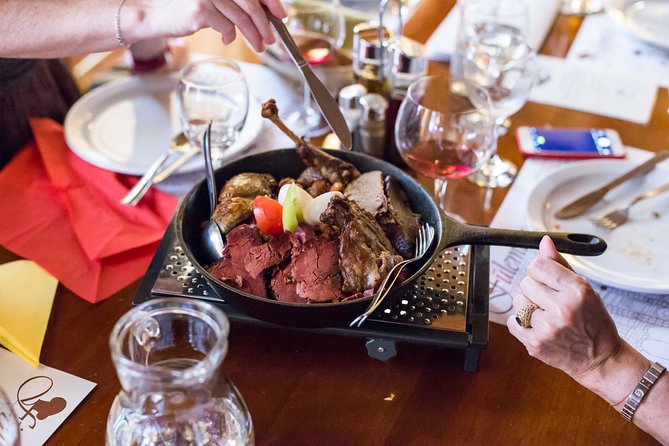
After the walking and snack stops, the tour moves into what feels like the most “sit down and breathe” part: a traditional Jewish lunch at a restaurant.
What you can expect from the meal style:
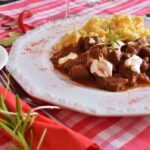
- hot dishes such as solet (bean stew)
- goose soup
- and wine as the included drink with lunch
This is the part where I think the tour delivers real value. You’re not paying $155 just for a few street snacks. You’re buying a planned food sequence plus context, guide time, and a proper meal.
One thing to keep in mind: lunch selection can vary. A reviewer noted they didn’t love their lunch choice, which is a reminder that restaurant menus aren’t custom-made for your personal palate. If you have dietary restrictions, you can advise them at booking time, and the operator is supposed to factor that in.






Pálinka in a ruin pub: the fun finish that still fits the theme
Toward the end of the tour, you’ll take a break at a coffee bar, then wrap up with kosher pálinka at a hip ruin pub or a local wine bar.
This stop works because it’s not random nightlife. You’re still in the same neighborhood narrative: Jewish history leads to modern gathering culture, and drinks are a part of that story. If you like tasting local spirits, this is a satisfying closer that feels both cultural and fun.
One practical thought: pálinka is strong. Pace yourself so you can enjoy the last walk-through and still feel good afterward.
Group size, pacing, and timing (what to plan for)
You’ll meet at Madách Imre tér at 11:00 am, and the tour ends back near the meeting point. The advertised duration is about 4 hours, but I’ve learned from real-world experiences that some groups run closer to 5–6 hours depending on how much time questions and photo stops take.
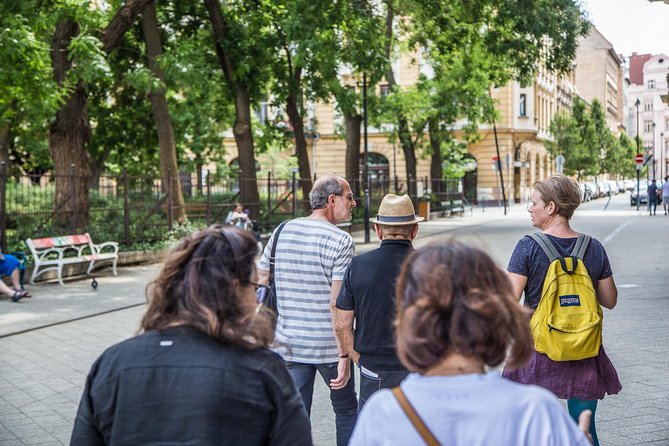
The format is small-group: maximum 8 people, and many departures are described as limited to six. That matters because you get a conversation-style tour instead of a headset parade.
If you’re the type who likes asking follow-ups—about food origins, synagogue architecture, or what everyday life looked like—this setup pays off. Guides in past groups (like Anna and Andrew) were praised for being organized and for giving clear, detailed explanations without turning it into a dry history session.
Price and value: what $155 buys you in practice
At $155 per person for roughly four hours, you’re not just paying for walking. You’re paying for:
- an expert guide (the main ingredient here)
- multiple food tastings
- drinks tastings, including pálinka
- lunch with wine
- and synagogue entrance fees (with the Dohány Grand Synagogue entrance specifically not included)
If you tried to recreate this day yourself, you’d probably spend money on food stops anyway, and you’d also lose the story thread that makes it meaningful. The value comes from the guide’s ability to connect each bite to a place and a period of time.
Is it expensive? Yes, it’s a noticeable line item. But if you want your Budapest day to feel connected—rather than “see sights, eat random food, move on”—this format is one of the more direct ways to do it.
Who this tour suits best
This is a great fit if:
- you want a culture + cuisine day that stays focused on one neighborhood
- you like learning the story behind what you eat
- you’re visiting for the first time and want to understand why Budapest’s 7th district looks the way it does now
- you’d enjoy a guide-led route with planned tastings and lunch
It may not be ideal if:
- you hate walking for a few hours
- you need a strictly fixed menu (because tastings and lunch can vary)
- you prefer to visit major interiors completely on your own schedule (since Dohány Grand Synagogue entrance fees aren’t included)
Should you book this Budapest Jewish Cuisine & Culture Walk?
I’d book it if you want a strong first pass through the 7th district with a guide who can connect WWII context, synagogue landmarks, and food traditions into one easy-to-follow day. The small-group feel, the restaurant lunch, and the pálinka finish make it more than a quick snack tour.
I’d think twice if you’re extremely picky about specific dishes or if you’re hoping the tour automatically covers every major synagogue interior. But as a guided overview that also feeds you, it’s one of the smarter ways to spend a half day in Budapest.
FAQ
How long is the Budapest Jewish Cuisine & Culture Walk?
It’s about 4 hours (approx.).
Where does the tour start?
The meeting point is Budapest, Madách Imre tér, Hungary.
What time does the tour start?
It starts at 11:00 am.
What language is the tour offered in?
It’s offered in English.
What’s included in the price?
The tour includes an expert guide, food tastings, drinks tastings including pálinka, lunch with wine, and entrance fees to a synagogue.
Does the tour include entry to the Dohány Grand Synagogue?
No. Entrance fees to the Dohány Grand Synagogue are not included.
How big is the group?
It’s a small group, with a maximum of 8 travelers (and it’s described as limited to six people).
Are dietary requirements accommodated?
Yes. You can advise dietary requirements at the time of booking.
What happens if the minimum number of travelers isn’t met?
There’s a possibility of cancellation after confirmation. If that happens, you’ll be offered an alternative date/experience or a full refund.
What is the cancellation policy?
This experience is non-refundable and cannot be changed for any reason.
Final decision: book it for the food, stay for the meaning
If you want Budapest history that you can taste and remember, book this. The guide-led route through the 7th district, the synagogue landmark stops, and the lunch + pálinka combo make it a high-value half-day when your goal is more than just photos.