REVIEW · ST. STEPHEN'S BASILICA
Skip-the-line St. Stephen’s Basilica Guided Tour
Book on GetYourGuide →Operated by ROSOTRAVEL Hungary · Bookable on GetYourGuide
Budapest has a lot going on, but this tour keeps it focused. You get skip-the-line tickets for St. Stephen’s Basilica and a guided look at the Old Town landmarks, including the famous Parliament Building view. My favorite bits are the Basilica’s big interior wow-factor and the chance to see King St. Stephen’s mummified right hand in the crypt. One thing to weigh: based on how tours sometimes run, you may want to manage expectations about how much time you’ll actually spend deep inside the church and how much commentary you’ll get while you’re there.
For a two-hour private outing, it’s a solid way to hit the main sights without spending your day queuing. The group size cap (1–25 per guide) also helps you ask questions and hear your guide clearly. Still, if you’re hoping for a slow, museum-style walkthrough, this is more of a guided highlights circuit than a full-on basilica deep dive.
In This Review
- Key things to notice before you go
- St. Stephen’s Basilica: what you’ll actually see (and why it hits)
- The mummified right hand: a relic stop that changes the pace
- Inside the Basilica: marble, art, and the high altar effect
- The Old Town walk: where the Parliament Building fits in
- Skip-the-line: the part people often misunderstand
- How the 2-hour format works for different travelers
- Price and value: is $140 per person a fair deal?
- Group size and what it means for your experience
- Practical details so your tour day goes smoothly
- Who should book this St. Stephen’s Basilica + Old Town tour
- Quick heads-up: timing inside the Basilica
- Should you book it?
Key things to notice before you go
- Skip-the-line to the Basilica ticket office, not the entrance security checks
- The relic moment: St. Stephen’s right hand is a key stop in the crypt
- Old Town walk with big skyline framing, including the Hungarian Parliament Building
- Neo-classical / Neo-Renaissance style inside, with gold-toned artwork and a prominent high altar
- Lots of marble (over 50 types) used throughout the Basilica’s interiors
- Sunday and special events can limit access, so your schedule may need flexibility
St. Stephen’s Basilica: what you’ll actually see (and why it hits)

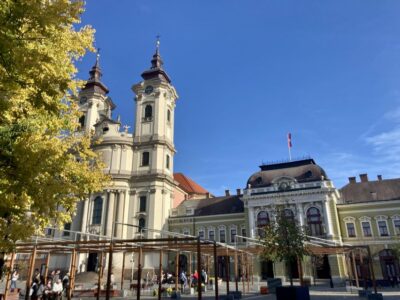
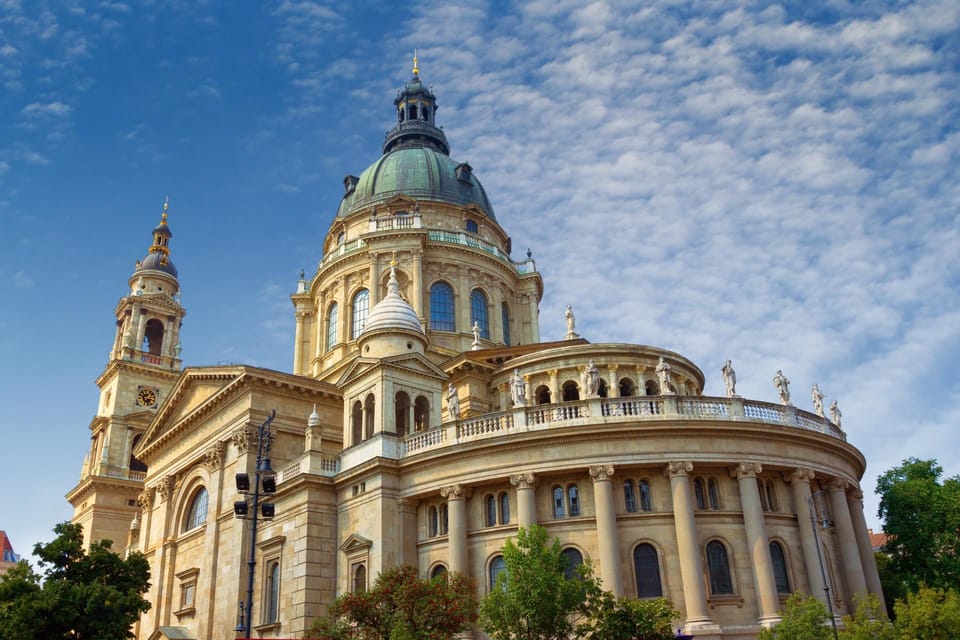
St. Stephen’s Basilica is one of those places where the building does half the talking before your brain catches up. Externally, it’s tall and imposing, with intricate details that make it feel less like a generic church and more like a major city monument. Then you step inside, and the atmosphere changes fast: you’re met by a massive dome and a grand interior design in the Neo-Renaissance / neoclassical tradition.
What I like most is that the tour is built around the key visual targets you’d miss if you wandered alone. The guide’s focus is on the parts of the Basilica that tend to create that wow reaction—especially the high altar area and the gold-toned interior with frescoes and sculptural work from the late 19th century. You’re not expected to read every plaque; you’re expected to look up, take it in, and understand what you’re seeing as you go.
One practical note: the skip-the-line ticket you receive is for the Basilica church hall (inner area). That means you’re aiming for the core church experience, not the extra paid add-ons like the Treasury or the Dome terrace. If those views are a priority for you, plan to purchase them on the spot (tickets are not included).
You can also read our reviews of more guided tours in Budapest


The mummified right hand: a relic stop that changes the pace
The crypt is where the tour turns from “beautiful architecture” to “this place has a story people still care about.” The highlight is the relic of Hungary’s first king, St. Stephen, preserved as his mummified right hand.
This moment matters for two reasons. First, it anchors the Basilica in Hungarian identity in a way that’s easy to grasp even if you don’t know much history beforehand. Second, it forces the tour to slow down. Even if the rest of your sightseeing is fast, you’ll probably feel the difference in the crypt—quiet, focused, and more personal than a standard photo-stop.
That said, keep an eye on timing. Some guided experiences don’t spend enough time on this specific stop, and you may have to ask to make sure you get the relic component of the visit. If this is the reason you booked, it’s worth arriving with the mindset that you’re there for one key moment and you want it explained clearly.
Inside the Basilica: marble, art, and the high altar effect

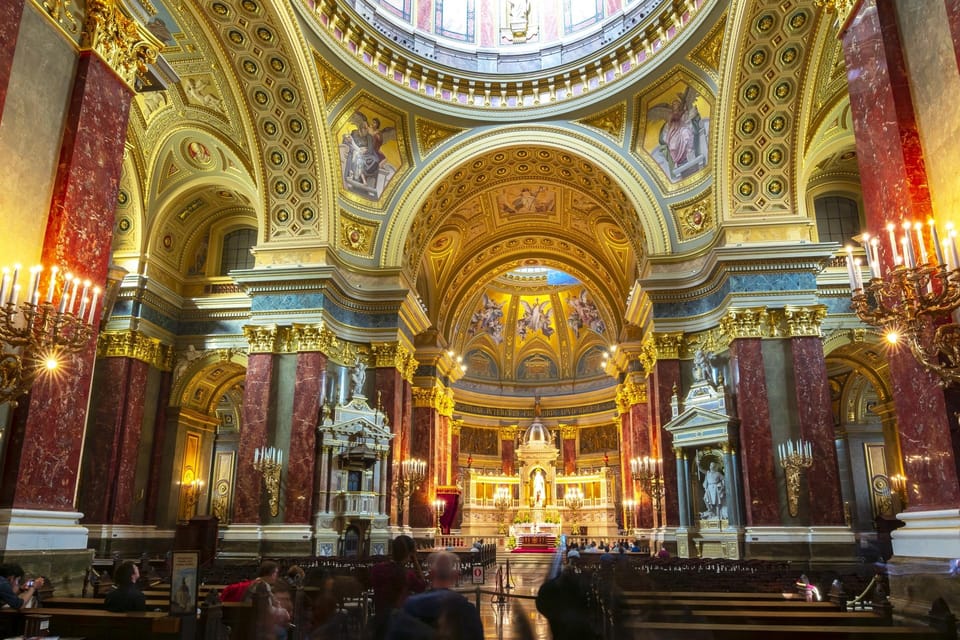
This isn’t a plain church interior. One of the standout details you’ll hear about is the use of more than 50 types of marble crafted into sculptures and decorative elements. Even if you don’t catch every name of every material, your eyes will notice the variety and the way the surfaces catch light.
The guide also points out the main artistic themes—frescoes and sculptures created by notable late 19th-century artists, plus the way the design funnels your attention toward the high altar. When everything is working, it feels like the interior is directing your movement: look here, then here, then down into the crypt.
If your goal is to feel confident navigating the Basilica on your own later, this tour can help you understand the layout. You’ll get the big landmarks and the story beats in a way that makes a return visit easier. If your goal is to stare at every niche and read every panel, you may feel the time is tight—especially if your guide’s pacing doesn’t match your preferences.
The Old Town walk: where the Parliament Building fits in
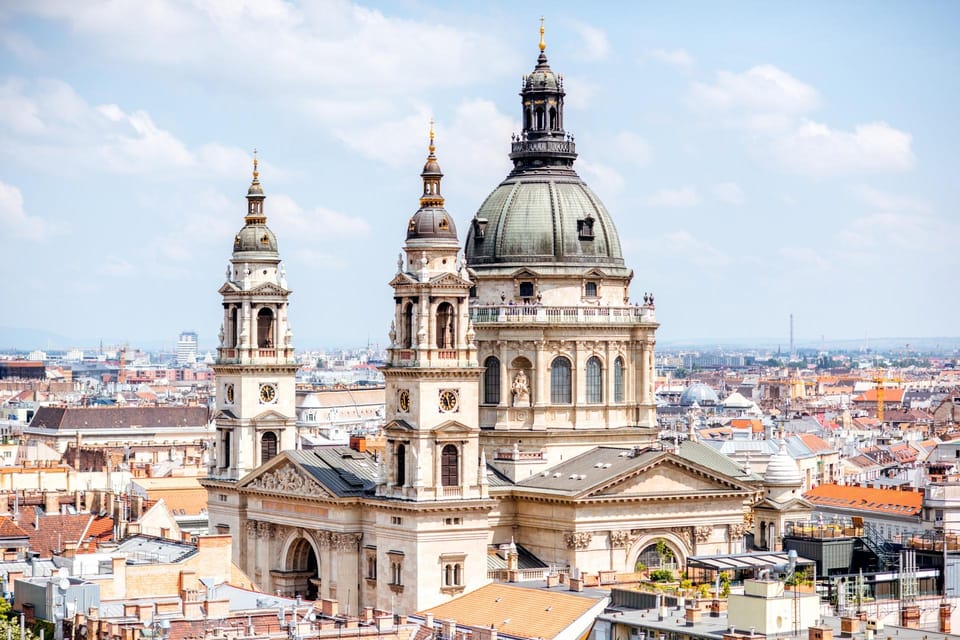
After the Basilica, the tour shifts to Budapest streets with a practical sightseeing flow. You’ll walk through the Old Town area and you’ll see the Hungarian Parliament Building from the outside, plus landmarks around Liberty Square with meaningful monuments.
This part is less about one single indoor highlight and more about orientation. Walking helps you learn where these major buildings sit relative to each other, and you get to connect the architecture you just saw with the city’s broader visual language. Parliament is a great contrast: grand, civic, dramatic. The Basilica is spiritual monumentality. Together, they show different sides of the city’s identity.
One small consideration: this walking segment is where your experience can depend heavily on guide clarity. If the route feels a bit jumpy or if commentary drops off after the Basilica visit, you may end up walking without fully understanding what you’re looking at. The tour’s value is highest when the guide keeps the story going outside too—so if that’s important to you, ask questions early and stay engaged while you still have guide attention.
Skip-the-line: the part people often misunderstand

Skip-the-line is useful, but it’s not magic. Your pre-booked tickets let you avoid waiting at the ticket office for the Basilica. You still have to go through the standard entrance process and security checks. So you’re saving time on one queue, not removing all waits.
Also, your ticket coverage is limited to the inner area of the church hall. If you expect Dome terrace access or Treasury time, those are not included, and you’ll need to purchase them separately on the spot.
When I’m choosing a Basilica tour, I treat skip-the-line as a “time buffer,” not a guarantee you’ll breeze in with no delays at all. If your schedule is tight, arrive with that buffer mindset, and be ready for security to be the slow part.
You can also read our reviews of more tours and experiences in Budapest


How the 2-hour format works for different travelers
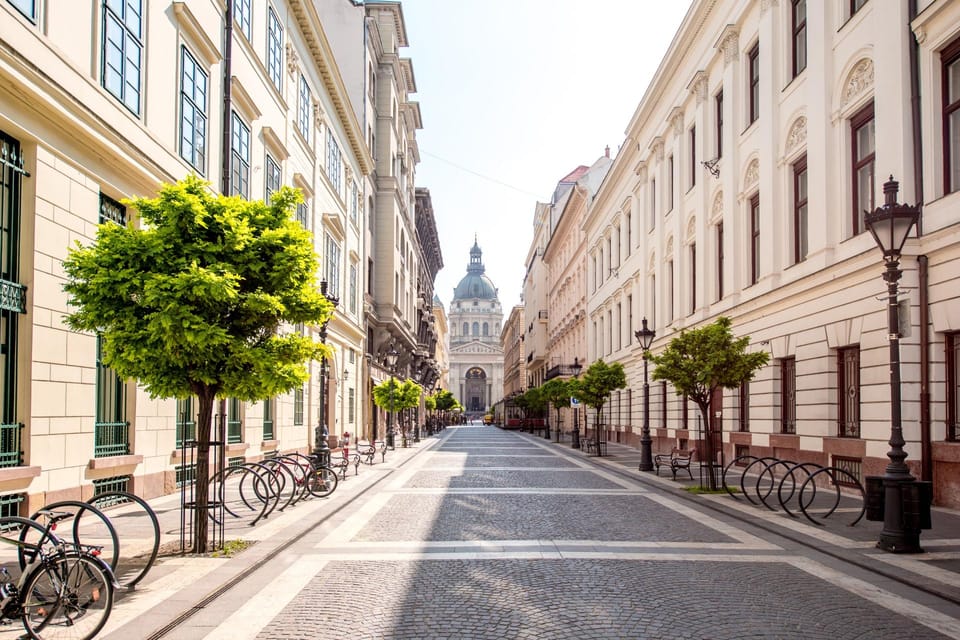
A two-hour private tour is a good match when you want maximum payoff with minimal planning. This format is especially helpful if:
- you only have a short window in Budapest and want the Basilica plus Parliament-area highlights
- you prefer a guided route so you don’t waste time figuring out what to prioritize
- you like architecture but still want the story behind it
It’s less ideal if:
- you want a long, quiet time in the Basilica without interruptions
- you’re the type who loves to linger at each artwork and read every label
- you’re also hoping for Dome terrace / Treasury time without extra costs or stops
And one more reality check: the tour can be affected by Sunday masses and special events, which can limit access to the Basilica. If you’re visiting on a day where worship or events are likely, keep your plan flexible and don’t assume you’ll get the full experience exactly as described.
Price and value: is $140 per person a fair deal?
At around $140 per person for a 2-hour private guided experience, the value depends on what you want from your guide. You’re paying for two main things: (1) the guided interpretation of what you’re seeing and (2) the time saved via skip-the-line at the ticket office.
If the guide keeps the pacing tight and explains the Basilica details clearly—especially the relic stop—and then continues the story on the Old Town walk, that price can feel justified. The Basilica alone can swallow time, and having someone help you focus on the meaningful parts is often worth it.
But if your experience turns into short time inside the church with limited explanation, or if the Old Town portion becomes more “walk and look” than “walk and understand,” the value drops fast. The cost is high enough that you should be picky about how much commentary you’ll get while inside the Basilica.
If you’re deciding between this tour and a self-guided visit, use this rule of thumb: pay for the guided version if you care about understanding the Basilica’s layout, art, and the relic significance. Go self-guided if your main goal is photos and you don’t mind reading less and figuring more out yourself.
Group size and what it means for your experience
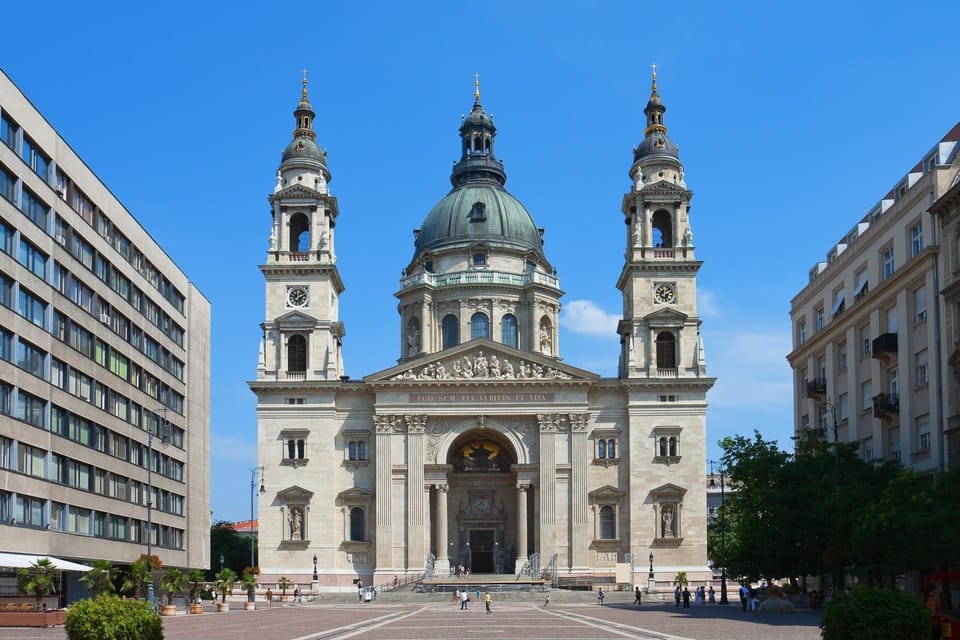
This is a private group experience with a guide size limit of 1–25 guests per guide. That cap matters. Smaller groups tend to get better attention, and you can ask questions without shouting over everyone.
If you’re traveling with family or a mixed-age group, the private format can reduce stress because you can move at a pace that works for the people in your group. It’s not a silent, rigid museum tour. It’s meant to be interactive enough to keep you oriented.
Practical details so your tour day goes smoothly
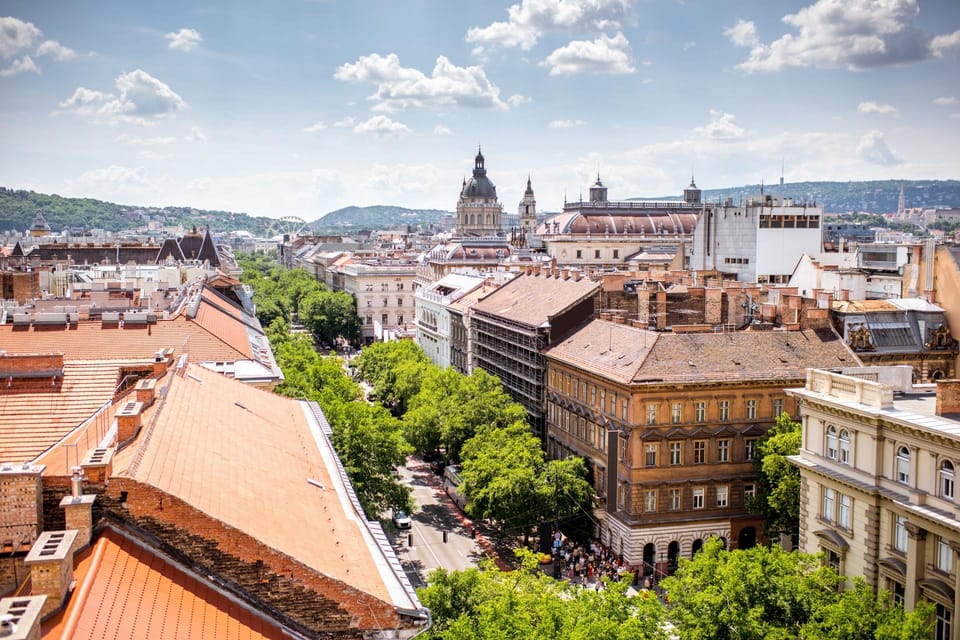
Meeting point is outside Madal Cafe, Budapest (Alkotmány u. 4, 1054 Hungary). The instruction is simple: don’t go inside the cafe. It’s just the landmark for your guide to find you.
Because you’ll be walking in the Old Town, comfortable shoes matter. The tour is planned to run in typical weather, so dress for sun or rain, and don’t underpack just because the city looks nice on the map.
You’ll also be able to choose live guide language among English, German, Spanish, French, or Italian. If you don’t speak English, this is a big plus compared with tours that are only partially translated.
Who should book this St. Stephen’s Basilica + Old Town tour
Book it if you want:
- a guided, highlights-first look at St. Stephen’s Basilica and the crypt relic stop
- skip-the-line access that saves time at the ticket office
- a short walk connecting Basilica sights to the Parliament/Liberty Square area
- a guide who can explain the architecture and city context in your language
Consider skipping or adjusting expectations if:
- you’re expecting a very long Basilica visit or a detailed art-hunting session
- you’re visiting on a likely mass day and can’t be flexible
- Dome terrace or Treasury access is your top priority (those are not included)
Quick heads-up: timing inside the Basilica
If seeing the relic is non-negotiable for you, treat the crypt moment as your checklist item. Early in the tour, ask for confirmation that you’ll have enough time to reach the crypt and see the mummified right hand. That small step can prevent disappointment.
Should you book it?
Yes, I’d book this tour if you want a guided, time-efficient way to experience St. Stephen’s Basilica and connect it to the Old Town landmarks around Parliament. The skip-the-line to the ticket office is a real benefit, and the relic stop is exactly the kind of detail that makes a guided visit feel worth paying for.
But if your ideal tour is long, slow, and heavy on explanation inside the Basilica itself, this might feel tight for the price. In that case, either plan to add extra time on your own after the tour or consider a different option that spends more hours in the church.