REVIEW · BUDA CASTLE & FISHERMAN'S BASTION
Budapest: Walking Tour in the Buda Castle District
Book on GetYourGuide →Operated by Gábor Glasner · Bookable on GetYourGuide
Stone streets, big views, royal echoes. This 2.5-hour walk through Budapest’s Buda Castle District connects the dots between Matthias Church and the Fisherman’s Bastion, while also squeezing in a fun stop at Ruszwurm (one of Europe’s oldest pastry shops). I especially like how the guide explains what you’re seeing—so cobblestones and towers turn into real stories. One thing to plan for: the tour is in German, and you only view sights from the outside.
If you end up with Zsuzsanna as your guide, expect a friendly, story-driven style with personal anecdotes and practical tips you can use after the walk. I also like the included digital Budapest Restaurantguide (12 sites), because it helps you turn a first-day sightseeing loop into actual eating plans. The trade-off is simple: you’re walking this hill on foot, so comfy shoes matter.
In This Review
- Key things worth showing up for
- Finding the Vienna Gate meet-up near the angel statue
- Why the Buda Castle District feels different on foot
- Vienna Gate and the Mary Magdalene Tower: your “map” of the hill
- Ruszwurm and the start of the old-town vibe
- Matthias Church and Fisherman’s Bastion: seeing the “why” from outside
- Buda Castle Caves and the “understory” of the hill
- Sándor Palace, royal-era government space, and the Royal Stables
- The Royal Castle and Castle Bazaar finish: where to go next
- Price and value: what $23 buys (and what it doesn’t)
- Language and pacing: the two practical things to know
- Who this tour is best for
- Should you book this Buda Castle District walking tour?
- FAQ
- How long is the Budapest Buda Castle District walking tour?
- Where do I meet the guide?
- Is the tour in English?
- Are entrances included for places like Matthias Church or the Royal Castle?
- What are some key sights on the route?
- Is the tour suitable for wheelchair users?
- What should I bring?
Key things worth showing up for
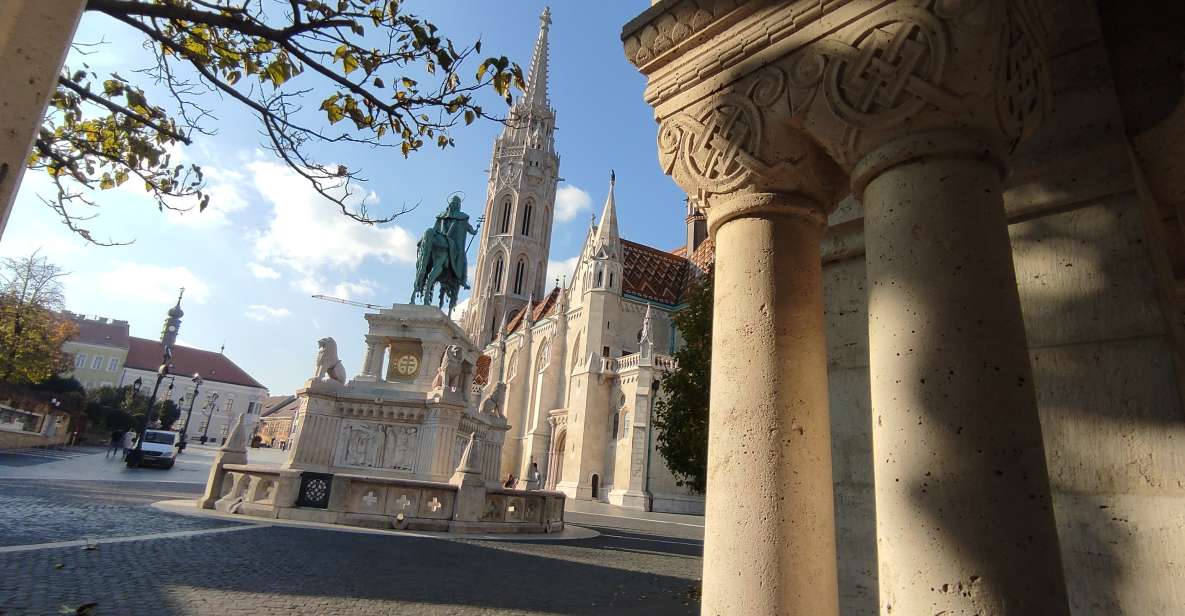
- A focused Castle District loop that hits the landmarks without making you hunt for them
- Outside views that make sense of what’s where and why it matters
- Matthias Church + Fisherman’s Bastion stops made for photos and context
- Ruszwurm as a real, early anchor point (pastry stop energy included)
- Royal-era power centers like Sándor Palace and the former government buildings
- A finish near the Castle Bazaar so you can keep exploring on your own
Finding the Vienna Gate meet-up near the angel statue
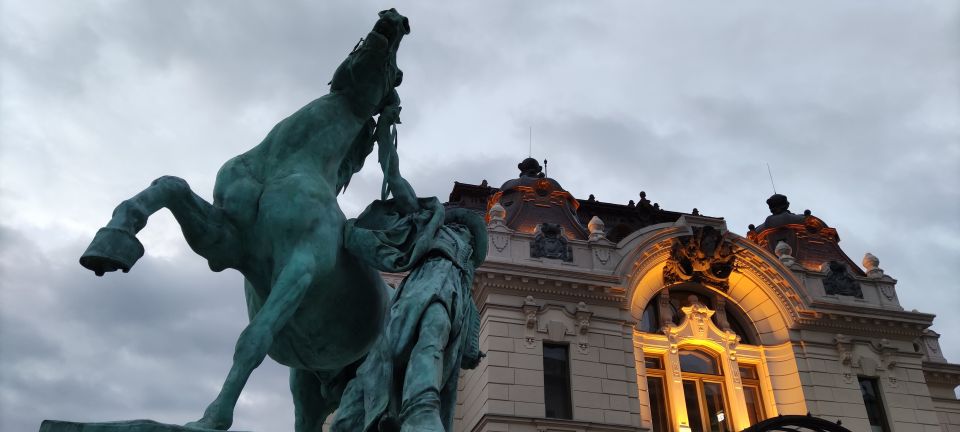
You start near the top end of the Castle District action, at Bécsikapu tér 4, close to the Vienna Gate. The meeting point is very specific: look for the big angel statue holding a cross in its hand. It’s an easy landmark to navigate to even if you’ve just arrived and you’re still finding your bearings.
This start point is smart. Vienna Gate sits right at the heart of the Buda Castle area, so you’re not burning time getting to the views and viewpoints. You’ll also be walking soon, which helps you shake off travel stiffness and get into the rhythm of the hill.
You can also read our reviews of more walking tours in Budapest



Why the Buda Castle District feels different on foot
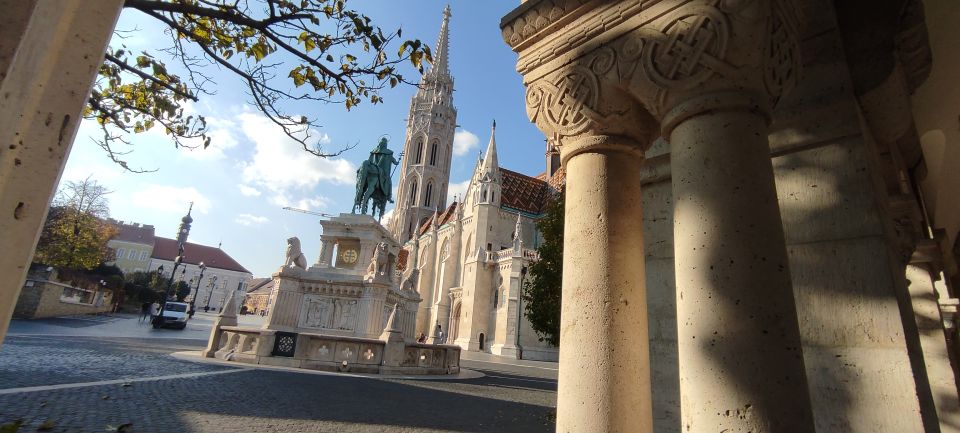
Budapest’s Castle District is UNESCO World Heritage for a reason. It’s not just a set of famous buildings—it’s a whole layered neighborhood, shaped by centuries of power shifts, styles, and city planning decisions.
What makes a guided walk valuable here is the “thread.” You’re not only seeing big-name sights. You’re learning how they connect: where the royal district once sat, how medieval Buda fit into the city, and how later eras reshaped the area. That context helps when you’re looking at the outside of buildings and wondering what you’re supposed to notice.
This route is also well paced for real travel life. The total time is about 130 minutes, so you get a meaningful tour without feeling like your whole day evaporated. And because there are no long interior visits, you can keep moving and keep your feet in charge (still bring good shoes, though).
Vienna Gate and the Mary Magdalene Tower: your “map” of the hill
Early on, you’ll pass Vienna Gate and get oriented with a short walk and sightseeing time. The guide uses this moment to set the scene for what you’ll see next—basically, you’re getting a mental map before the landmarks start stacking up.
Then you hit the Mary Magdalene Tower area for a photo stop. Even if you’re not going inside (the tour doesn’t include entrances), the tower works as a visual anchor. It’s one of those structures that helps you read the skyline of Buda. When you learn what the tower represents and where it sits in the old city layout, the photos stop being random shots and start being part of a story.
Ruszwurm and the start of the old-town vibe
One of the smartest parts of this tour is the Ruszwurm stop. You’ll spend a short guided moment there, with sightseeing time, before moving on. Ruszwurm is famous as one of Europe’s oldest pastry shops, and the stop gives you a nice break between look-up-and-walk sections.
Even if you don’t plan to buy anything, this is still a useful stop. It grounds you in daily life inside the castle area, not just in monuments. And it gives your brain a rest from trying to memorize names while also keeping the tour rolling forward.
If you do want a snack, aim for something quick. This walk is about movement, and you don’t want to slow your group down with an extra-long sit-down break.
Matthias Church and Fisherman’s Bastion: seeing the “why” from outside

Matthias Church is one of the stars of medieval Buda. On this tour, you see it from the outside during a photo stop and short sightseeing time. That might sound limiting, but it actually works well for first-time visitors because you focus on the details you can access without paying for an entrance.
You’ll also learn how Matthias Church fits into the bigger story of Buda—its medieval role and why it’s considered such an important landmark. That context matters. A lot of people walk up, take the picture, and move on. With a guide, you’re more likely to notice the church’s place in the district’s identity rather than treating it like a postcard background.
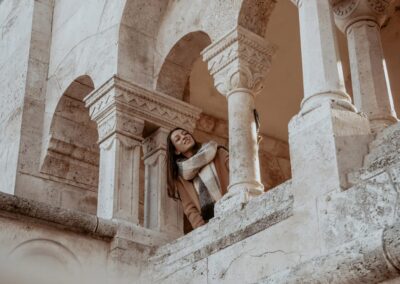
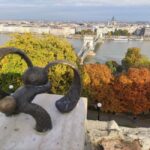
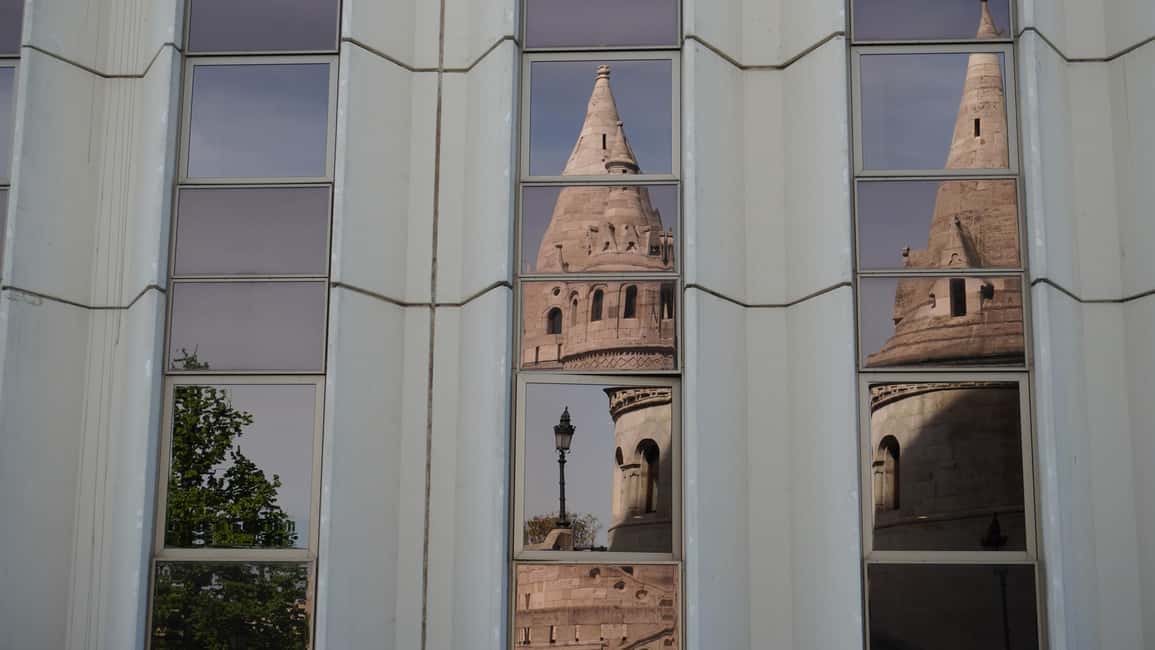
Next comes Fisherman’s Bastion. Again, you’re viewing from outside and using it as a photo-friendly moment. The point here is twofold: you get the classic viewpoints, and you learn the historical frame behind the bastion’s presence in the old town. You’ll understand what you’re looking at—and not just that it’s pretty.






Buda Castle Caves and the “understory” of the hill
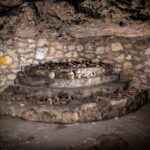
A quick stop at Buda Castle Caves adds an interesting twist. You’re not doing a long cave excursion here. It’s more like a focused look and a guided explanation that helps you understand why this hill has always been more than a backdrop.
Buda’s castle area includes natural and built features that have influenced how the hill was used over time. When you get even a small guided introduction to the caves and their location, the district feels less like a theme park. It feels like a real place with layers.
Short stop, clear payoff. If you like historical texture—places where humans adapted to the terrain—this is a good moment.
Sándor Palace, royal-era government space, and the Royal Stables
Then you move into the royal-district zone in a more direct way. You’ll see Sándor Palace for photos and guided sightseeing. Like the other landmarks, you’re outside looking at the building, but the guide ties it to the district’s political importance.
From there, the tour connects you to the former Royal Castle area and the buildings that once housed government offices and ministries. This is where the walk starts feeling like a timeline in motion. You see structures linked to authority and administration, and the guide’s explanations help you grasp why power concentrated here.
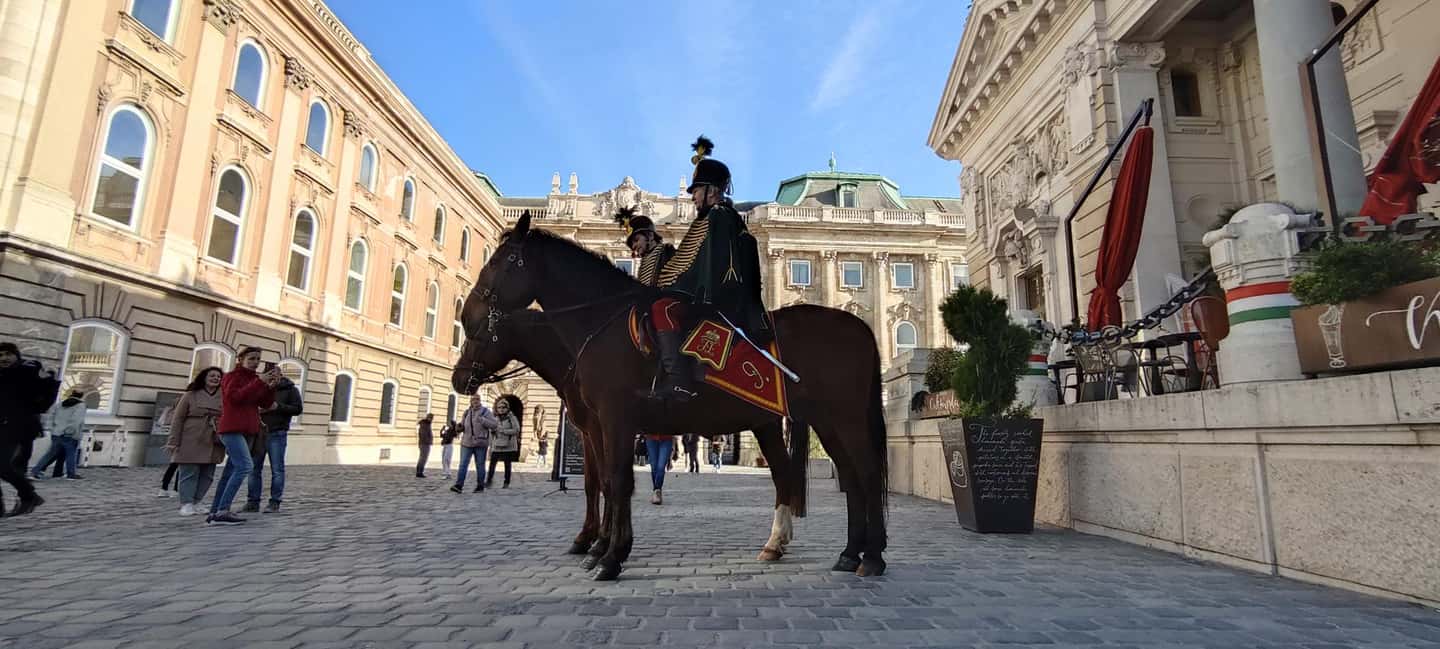
You’ll also be shown the Royal Stables, and you’ll get a glimpse of the Castle Funicular along the way. The funicular bit matters because it gives you a practical mental option: if your legs need a break later, you know how the hill is navigated.
The Royal Castle and Castle Bazaar finish: where to go next

The Royal Castle stop is long enough to breathe. You’ll spend dedicated time here for photo viewing and guided context. Since the tour doesn’t include entry, the value is in understanding the complex outside view: what part was royal, what part is tied to city functions, and how the district’s layout reflects different eras.
After that, you end near the Castle Bazaar. The bazaar area is a natural “release valve.” The official tour segment is done, and you can keep exploring at your pace.
From here, it’s easy to continue on your own. The district sits close enough to key sights that you can roll directly into the next plan, including the Chain Bridge and the Royal Gardens.
If you want a practical strategy: take a quick look at whatever street level shops or viewpoints you pass as you finish. Castle districts reward slow wandering. The guide gives you the big picture—then you get to enjoy the details.
Price and value: what $23 buys (and what it doesn’t)
At around $23 per person for about 130 minutes, this tour sits in the “high-value first day” category. You’re paying for live guiding, not for entrances. That’s a big difference.
What you’re getting:
- Live tour guiding that explains the landmarks you see from the outside
- A digital Budapest Restaurantguide with 12 sites included
- A route that packs multiple top-sights into one efficient walk
What you’re not getting:
- Entrance fees (you don’t go inside buildings)
- Hotel pickup or drop-off
That trade-off can be good. If you’re visiting for the first time and want orientation fast, outside-only sightseeing plus expert explanations is often the best use of time. You’re not getting stuck waiting for ticket lines, and you’re still learning what matters.
The walk lasts long enough to feel like a “real tour,” but short enough that you’re not trapped all day. It’s the kind of experience that can set up the rest of your trip—especially because the included restaurant guide helps you plan what comes after the monuments.
Language and pacing: the two practical things to know
The tour guide language is German. If you don’t read or speak German, you might still enjoy the sights, but the historical connections will land less fully. Since the tour is built around explanations and context, language can change the experience quite a bit.
Pacing is mostly steady walking with short photo stops. The stops are designed to keep energy up while still letting you take pictures and listen. You’ll want comfortable shoes because it’s a hilltop district and the route includes cobblestone streets.
It’s also not suitable for wheelchair users. Even if you can manage short outdoor walks, the ground and hill terrain can be tough.
Who this tour is best for
This is a great match if:
- You’re in Budapest for the first time and want a clean introduction to the Castle District
- You like history told through places you can actually see right now
- You want photo moments at the big names without paying for multiple entrances
- You appreciate practical tips for the rest of your trip (the included restaurant guide helps, and guides like Zsuzsanna are known for additional personal tips)
It’s less ideal if you:
- Need a fully accessible route
- Want lots of interior time in churches and palaces (this is outside viewing)
- Don’t have any interest in German-language guidance (since the tour is conducted in German)
Should you book this Buda Castle District walking tour?
Yes, if your goal is to understand the Castle District quickly and get oriented in a single go. The value is in the “connections”—how the guide helps you read the area rather than just ticking off famous names. The best part is that you get major landmarks like Matthias Church and Fisherman’s Bastion while still including smaller, personality-filled stops like Ruszwurm.
Before you book, just be honest about two things: you’re walking outdoors, and the tour is in German. If those fit your comfort level, this is a smart, efficient way to experience Buda’s royal core and leave with a clear idea of where to wander next.
FAQ
How long is the Budapest Buda Castle District walking tour?
The tour lasts about 130 minutes.
Where do I meet the guide?
Meet your guide near the big angel statue holding a cross by the Vienna Gate at Bécsikapu tér 4.
Is the tour in English?
No, the live tour guide language is German.
Are entrances included for places like Matthias Church or the Royal Castle?
No. The sights are viewed from the outside only, so entrance fees are not included.
What are some key sights on the route?
You’ll see and stop around Vienna Gate, Mary Magdalene Tower, Ruszwurm Confectionery, Matthias Church, Fisherman’s Bastion, Buda Castle Caves, Sándor Palace, the Castle Hill Funicular (glimpse), Buda Castle, and the Castle Bazaar.
Is the tour suitable for wheelchair users?
No, the tour is not suitable for wheelchair users.
What should I bring?
Bring comfortable shoes, since it’s a walking tour.