REVIEW · IMMERSIVE MUSEUMS & EXPERIENCES
Budapest: Mika Tivadar Secret Museum Entry Ticket
Book on GetYourGuide →Operated by Gozsdu hotel kft. · Bookable on GetYourGuide
Kazinczy Street hides a real story machine. The Mika Tivadar Secret Museum turns a small Budapest building into a time-travel walk through the late 1800s and the years between the world wars, with period scenes, photos, and a mobile audioguide. You also get to read how the house connects to neighboring buildings, so the history feels local instead of generic.
My favorite part is the mix of old-world context and surprise details. You’ll move through compact space (about 140 sqm) and still get a full sense of the era, including how different ethnic communities shaped Hungary. One possible drawback: this is a self-guided entry ticket with no museum guide, so if you want a live person to answer questions, you’ll need to rely on the audio and the printed flyer.
In This Review
- Key things to know before you go
- Stepping into the Mika Tivadar Secret Museum on Kazinczy Street
- What the museum teaches in 30 minutes (and why it feels longer)
- Your phone becomes the guide: audio, QR codes, and free Wi‑Fi
- The house story and the street story: how it connects beyond the walls
- Famous figures, unlikely links: Edward VII to the Mexican Civil War
- The Blue Cat cabaret, early cinema, and why the party district context matters
- Budapest’s ghetto, the 20th-century changes, and the objects that make it real
- The onsite cocktail bar and restaurant: a practical add-on
- Price and value: is $5 per person actually worth it?
- Where to meet and how to make the visit smooth
- Who should book the Mika Tivadar Secret Museum ticket
- Should you book it?
- FAQ
- How long does the museum visit take?
- Where do I meet for the Mika Tivadar Secret Museum ticket?
- Is there a museum guide included?
- Do I get an audio guide?
- How many languages are available for the audio?
- Is Wi‑Fi available inside the museum?
- Is there anything to buy or drink on site?
- How much does it cost?
- Is the museum wheelchair accessible?
- Should I bring a smartphone?
Key things to know before you go
- Self-guided, mobile audio: You use your own phone to listen to chapter voiceovers and effects
- Eight languages: Audio comes in multiple languages, so you’re not stuck with one
- Small but packed: Around 140 sqm of specialty museum space, designed for a quick visit
- Kazinczy Street connections: The museum links the building to nearby historic places
- Bar atmosphere: There’s an onsite cocktail bar and restaurant in the same stop
- Not wheelchair friendly: The museum isn’t suitable for wheelchair users
Stepping into the Mika Tivadar Secret Museum on Kazinczy Street
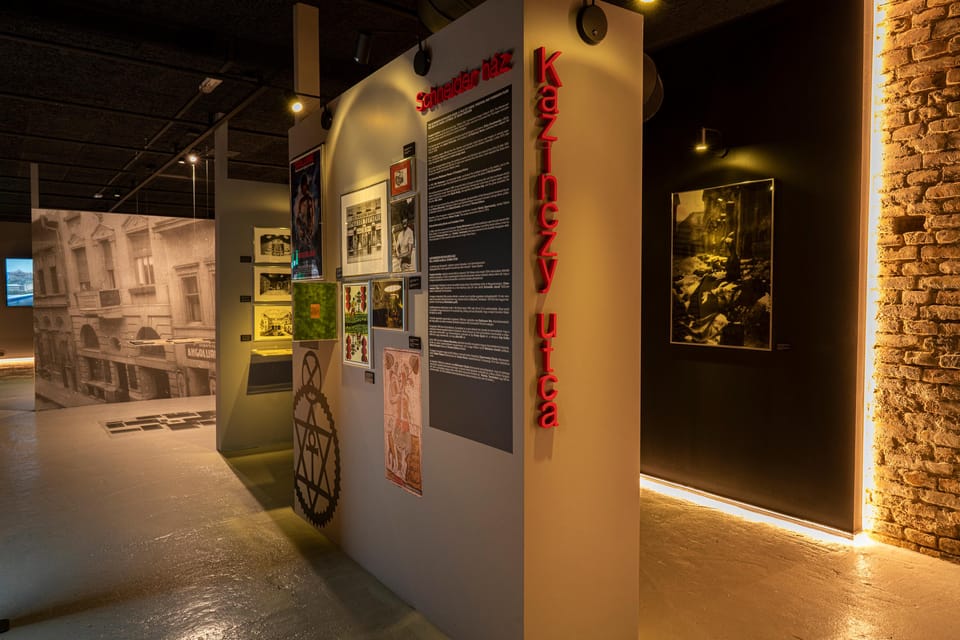
This is the kind of place that works fast. You enter, get oriented, then follow a route while your phone plays the story. The setting helps: the museum is tied to a stretch of Kazinczy Street in Budapest’s District VII, an area known today for nightlife, cafés, and bars. That means your modern surroundings make the past feel even closer. You’re not traveling far to find history—you’re adding context to a street you’ll likely walk anyway.
What the museum does well is keep the focus narrow but meaningful. It starts with the story of its own house, then expands to show how several nearby buildings fit into the same historical fabric. Instead of presenting Budapest as one big blur, it asks you to pay attention to specific places, specific moments, and the kinds of everyday life that make cities memorable.
The museum’s timeline covers late 19th century through the interwar years. That window matters in Budapest because it’s when the city’s social world, architecture, and media culture changed quickly. You’ll see installations, photographs, and written narratives built to bring that shift to life without requiring you to be a history scholar.
You can also read our reviews of more tours and experiences in Budapest



What the museum teaches in 30 minutes (and why it feels longer)
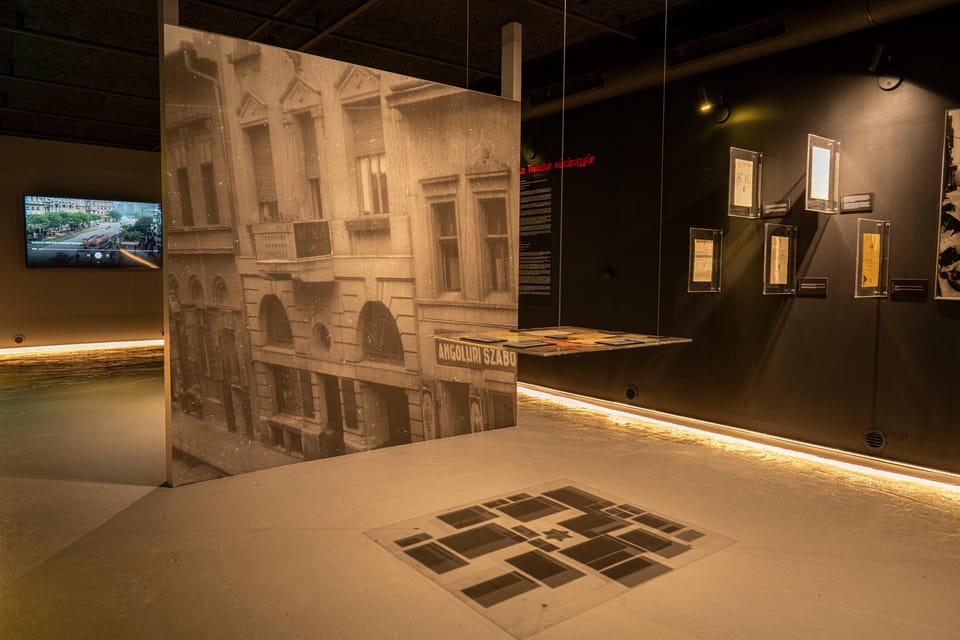
The ticket is designed for about 30 minutes, but the experience can feel longer because the content is dense. The museum is “small and intimate” in layout, yet it keeps moving between major themes: buildings, famous people, entertainment venues, and political connections across borders.
You’ll also notice the curatorial approach right away: the museum puts attention on the role of ethnic communities living in Hungary. That’s a big part of why the stories don’t read like a single-group national myth. You get more than a straight line of kings and wars. You get a picture of a society made of many communities interacting under pressure from Europe’s big powers.
In practical terms, you’ll likely spend time in short “stops” where you read and then hit play on the next audio chapter. The voiceovers plus voice effects help the scenes land. Even if you read quickly, the audio gives you the missing connective tissue—why the objects and scenes matter and how they connect to the building you’re standing in.
Your phone becomes the guide: audio, QR codes, and free Wi‑Fi
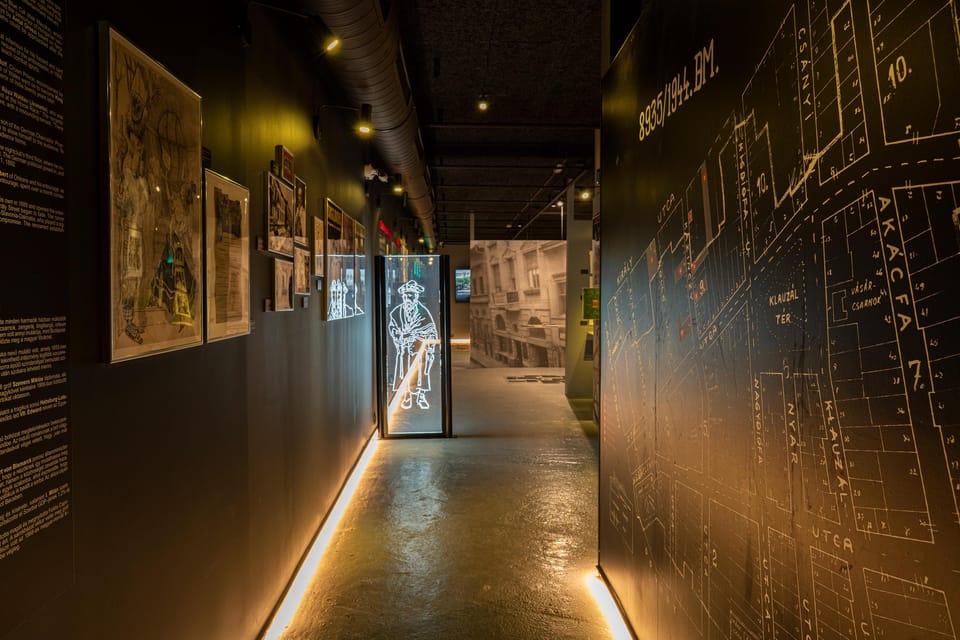
This is not a museum where you wait for a docent to explain everything. There’s no museum guide included. When you arrive, you’re greeted, handed a printed flyer, and given a brief explanation of what you’ll find.
Then you use your own device. The museum audioguides are accessible on your mobile, and Wi‑Fi is free. The key point is simple: bring a charged smartphone. If your battery is low, you’ll feel rushed, because you’re meant to scan and listen as you go.
The audio is split into chapters, with voiceovers for each one. The setup is built for self-pacing, which is great if you hate being herded. It’s also ideal for solo visitors and couples, because you can pause, read, and restart without feeling awkward.
One more practical win: since the audio is on your phone, you can keep your hands free for the flyer and for looking closely at installations and display objects. And because the languages include eight options, you’re more likely to find the version that matches your comfort level.
The house story and the street story: how it connects beyond the walls
A big reason this museum stays interesting is that it doesn’t treat the building like an isolated artifact. It explains the story of the house and then pulls in the surrounding area on Kazinczy Street. That approach helps you understand the neighborhood as something built over time, not just a backdrop for modern photos.
Expect to see historic context tied to how people used these spaces—lodging, entertainment, and media culture in the late 1800s and interwar years. This also shows up in the way the museum connects to other places: it references iconic buildings and events linked to the same era, so you can later recognize themes as you walk District VII.
If you like “what used to happen here” stories, this museum gives you that feeling quickly. You’ll likely come out with a better eye for architecture and signage, because the museum teaches you what to notice.
Famous figures, unlikely links: Edward VII to the Mexican Civil War
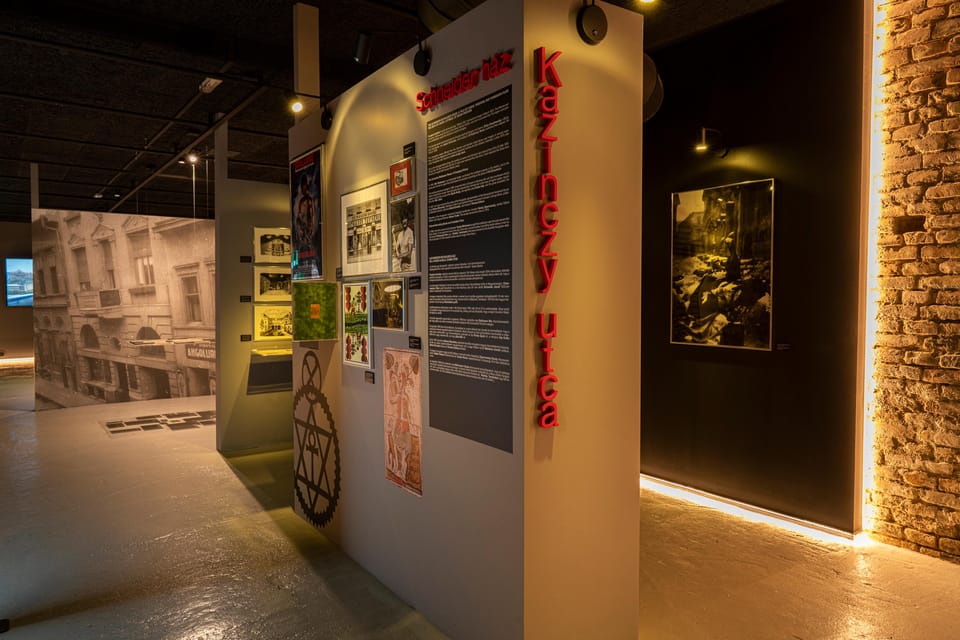
The museum’s greatest strength is its ability to mix heavyweight names with odd connections. You’ll encounter stories that range from European high politics to entertainment world trivia and even unexpected historical crossover.
On the “famous guests” side, the museum highlights legendary visitors such as King Edward VII of the United Kingdom, German statesman Otto von Bismarck, and Milan I of Serbia. Seeing those names associated with places on Kazinczy Street does something useful: it makes Budapest feel like part of the same European network, not a remote corner of the map.
Then comes the fun part—the museum doesn’t stop at dignitaries. You’ll hear about Europe’s famous cabaret, the Blue Cat, and you’ll also learn that Hungary’s first cinema opened on this spot, where Michael Curtiz (the Oscar-winning director of Casablanca) began his film career.
And yes, it goes even further. The museum includes a surprising connection between Sylvester Stallone and Arnold Schwarzenegger and a tiny house on Kazinczy Street. It also covers how veterans of the 1848–49 Hungarian Revolution played a role in the Mexican Civil War. These kinds of links can sound like party trivia—until you realize the museum is using them to show how movement of people, ideas, and influence crossed borders long before the modern era.
If you’re the type who likes to remember one or two standout facts per stop, this place gives you plenty.
You can also read our reviews of more museum experiences in Budapest






The Blue Cat cabaret, early cinema, and why the party district context matters
Budapest’s District VII today is known for nightlife. The museum works with that reality instead of fighting it. By telling the story of entertainment venues—especially the Blue Cat cabaret—and the early days of cinema, it connects the area’s cultural identity across time.
The Hungarian first cinema detail is especially interesting because it’s a specific milestone tied to a specific location. It also gives you a new way to think about film history in Central Europe. Michael Curtiz starting his career here turns a single street corner into a meaningful chapter of global pop culture.
The museum also gives you a clear sense of how entertainment and modern life evolved in Budapest between the late 1800s and the interwar years. That matters because it helps explain why this neighborhood has the social energy it still has. You’re not just visiting a museum; you’re learning the roots of the vibe.
Budapest’s ghetto, the 20th-century changes, and the objects that make it real
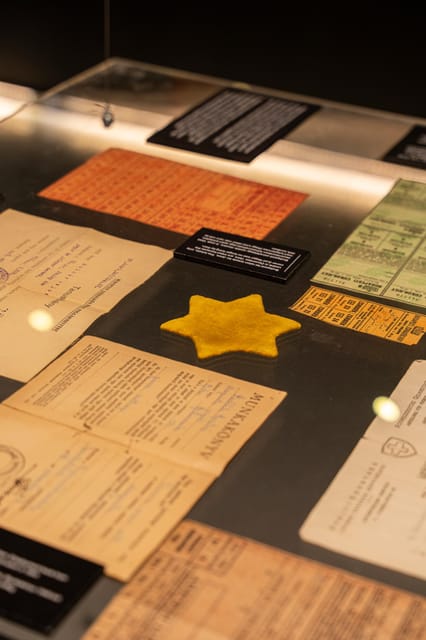
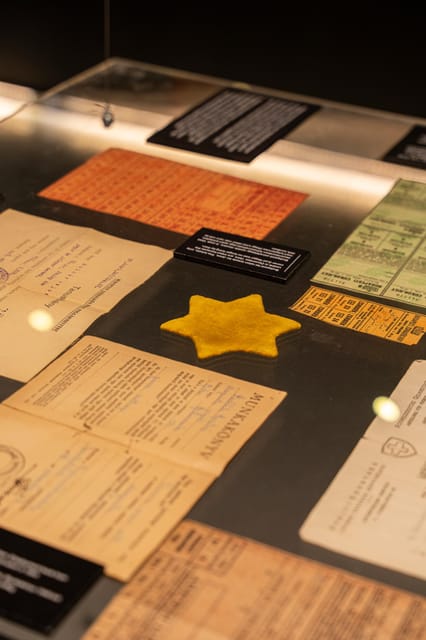
Some parts of the museum hit harder than the cabaret and cinema stories. The museum addresses the Budapest Ghetto and World War II-era life, including how the property looked during that time.
It also includes details about older local sites connected to the building’s area. For example, you’ll find a story about the Hungarian first steam bath that used to be right in front of the museum. In the present day, that location is associated with a hotel—so the museum helps you understand what got replaced, not just what survived.
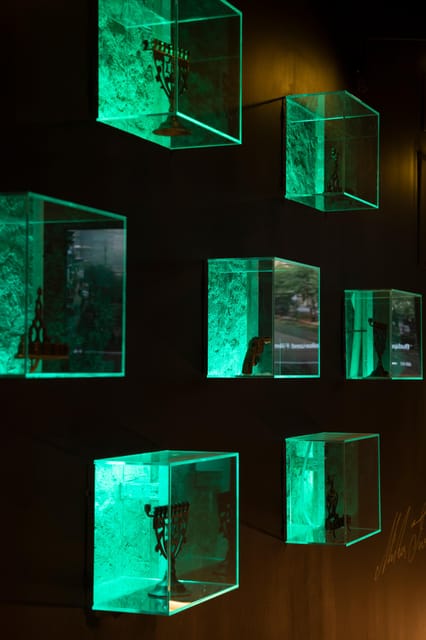
Another element you’ll probably appreciate is how the museum uses authentic installations, photographs, and written narratives. That combination gives weight to the more serious chapters, instead of relying only on text panels.
And if you’re someone who worries that small museums can feel shallow, this one is designed to pack significance into tight space. The scale is compact, but the subject matter covers big shifts in European history.
The onsite cocktail bar and restaurant: a practical add-on
One of the easiest ways to make this ticket feel like a great deal is to pair it with food or drinks afterward. The museum has an onsite cocktail bar and restaurant, and it’s part of the same experience zone in District VII.
If you want a simple plan, do the museum first, then settle in for a drink. The pacing works: you’ve got a focused 30 minutes of walking and listening, then you can switch into relax mode without changing areas.
Some visitors also look forward to brunch and cocktails there. Even if you’re not planning a full meal, the bar is a nice way to keep the mood of the neighborhood going. It also helps if you came on a day when you’re mixing indoor and outdoor stops—you can cool down with a drink right after your museum chapter ends.
Price and value: is $5 per person actually worth it?
At about $5 per person, this is priced like a “quick hit” museum rather than a long guided tour. But the value isn’t just the price tag. It’s the setup.
You get access to a specialty museum space of around 140 sqm, audio in eight languages, and a structure where you can move at your own pace. You also don’t pay extra for a live guide, because there isn’t one included. That might sound limiting, but it often works in your favor: you spend more time with content and less time waiting for explanations.
You also get added practical benefits: Wi‑Fi is free, the audio is on your phone, and you skip waiting for tickets. For solo travelers, couples, and people who like to control their schedule, that’s a strong value equation.
The only reason it might not feel worth it is if you strongly prefer guided storytelling or if you hate self-paced audio tours. Otherwise, for the price and the density of content, it’s an easy yes.
Where to meet and how to make the visit smooth
You’ll meet at Hotel Mika Downtown Reception. The museum staff greet you there, then you’ll get your flyer and a brief overview of what you can discover inside.
To make the experience go smoothly, I’d plan it like this:
- Come in with a charged phone and a willingness to follow the audio route
- Give yourself enough time afterward for a drink, because the bar is on-site
- Don’t pack the day too tightly; the best parts here are the moments when you stop, read, and then let the next audio chapter explain what you’re looking at
This isn’t a “run through and snap photos” museum. It’s a “slow your pace for one short hour” type of stop.
Also note: this museum isn’t suitable for wheelchair users, so plan your day around that if mobility is a concern.
Who should book the Mika Tivadar Secret Museum ticket
This ticket is a great match if you want:
- A compact Budapest history stop that fits into a busy day
- A self-guided experience with phone audio in multiple languages
- A strong sense of Kazinczy Street’s cultural roots—cabaret, cinema, and city life
- A museum that mixes major historical themes with surprising facts
It’s less ideal if you:
- Need a wheelchair-accessible venue
- Want a live guide to answer questions and add context
- Get frustrated when you’re responsible for your own audio playback
Should you book it?
Book it if you like history that feels tied to real addresses, not just timelines on a wall. The combination of phone audioguides in eight languages, a compact route, and standout stories—from Blue Cat cabaret to early cinema to unexpected historical crossovers—makes the ticket feel like a smart use of time.
Skip it only if you strongly prefer guided tours or if you know you won’t use audio on your phone. For most independent travelers, this is one of the easiest ways to add depth to Budapest in a short window—right in the middle of District VII’s energy.
FAQ
How long does the museum visit take?
The experience is set for about 30 minutes.
Where do I meet for the Mika Tivadar Secret Museum ticket?
You meet at Hotel Mika Downtown Reception.
Is there a museum guide included?
No. You’re greeted on arrival, given a printed flyer, and then you use your own mobile audio for the chapters.
Do I get an audio guide?
Yes. The audio guide is accessible on your own mobile device, and you listen to the chapter voiceovers on your phone.
How many languages are available for the audio?
Audio is available in 8 languages.
Is Wi‑Fi available inside the museum?
Yes. Wi‑Fi is free.
Is there anything to buy or drink on site?
Yes. There’s an onsite cocktail bar and restaurant.
How much does it cost?
The price is $5 per person.
Is the museum wheelchair accessible?
No. It is not suitable for wheelchair users.
Should I bring a smartphone?
Yes. You should bring a charged smartphone since the audio is accessed on your mobile.