
REVIEW · IMMERSIVE MUSEUMS & EXPERIENCES
Budapest: Light Art Museum – Immersive New Media Experience
Book on GetYourGuide →Operated by Intersputnik Kft · Bookable on GetYourGuide
Light art turns a market hall into a playground. The Budapest Light Art Museum mixes contemporary installations with clever optical tricks, and two things I really like are the hands-on feel of the rooms and the photo-worthy design of the spaces. The standout moment for many people is the airlock dome, where you lie back and let the light do the talking. One possible drawback: it’s not a long museum visit, so if you want lots of traditional galleries and quiet reading time, you may feel like you’re rushing.
This is the kind of stop that works well when your Budapest plans need a creative reset between classic sights. You’ll get about two hours inside, with a ticket that includes a skip-the-line option, and the museum uses English and Hungarian for what you’ll see and read. With a crowd rating around 3.9 (from 1,269 ratings), it’s popular, but the timed entry and limited capacity help keep it from feeling like a crush.
If you’re traveling with kids, there’s good news and a caution. You’ll find kid-friendly moments, but there’s also a section specifically marked for people over 18, so it’s smart to plan your timing and what you’ll access.
In This Review
- Key highlights worth planning around
- Entering the former market hall: light art in Budapest
- Your 2-hour plan inside: how to pace the installations
- The airlock dome, sphere, and blimp moments you’ll remember
- The art names you’ll see: Moholy-Nagy and Vasarely
- Info screens, languages, and how to avoid a frustrating read
- Is it really family-friendly? The over-18 section matters
- Price and value: what $18 buys you in real time
- Timing and crowds: when you should go
- Getting the skip-the-line right: small move, big payoff
- Who this experience fits best (and who may not)
- Should you book the Light Art Museum ticket?
- FAQ
- How long do I have in the Light Art Museum?
- Do I need a tour guide?
- Can I skip the ticket line?
- Which languages are available?
- What is the ticket validity?
- What if I need to cancel?
- Is it suitable for children?
Key highlights worth planning around
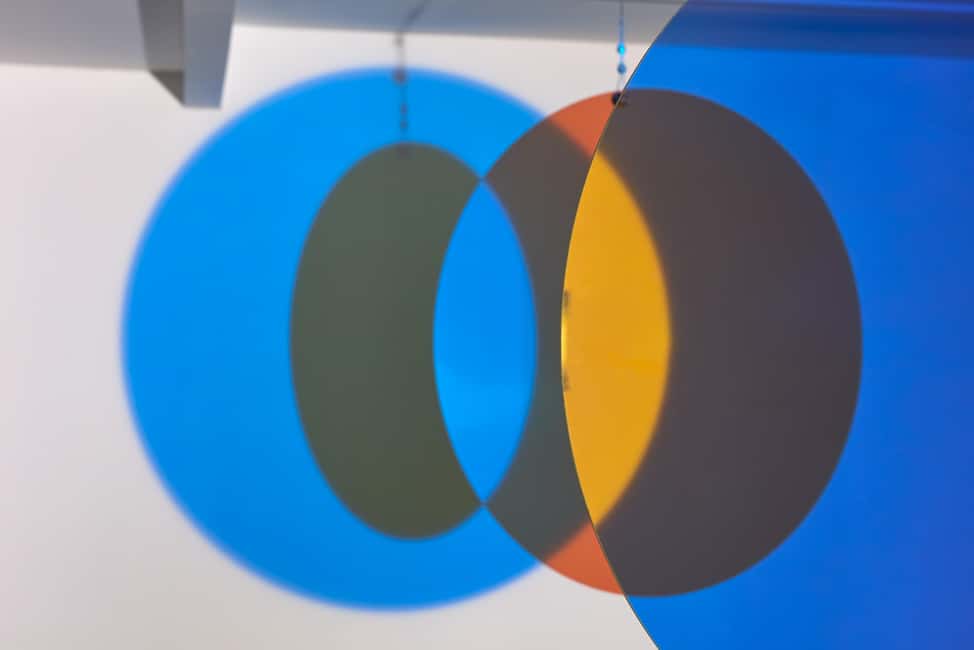
- Former market hall setting: a historic farmers market space becomes the stage for light, projections, and art-in-motion.
- Two-hour exploration window: enough time to see the major installations without turning it into a whole day.
- Airlock dome experience: you get the best effect when you lie down and watch.
- Surprisingly interactive moments: optical illusions, site-specific installations, and hands-on-like effects.
- Art name drops you can actually connect: pieces referencing László Moholy-Nagy and Victor Vasarely.
- Limited capacity helps comfort: many people find it stays manageable rather than packed.
Entering the former market hall: light art in Budapest
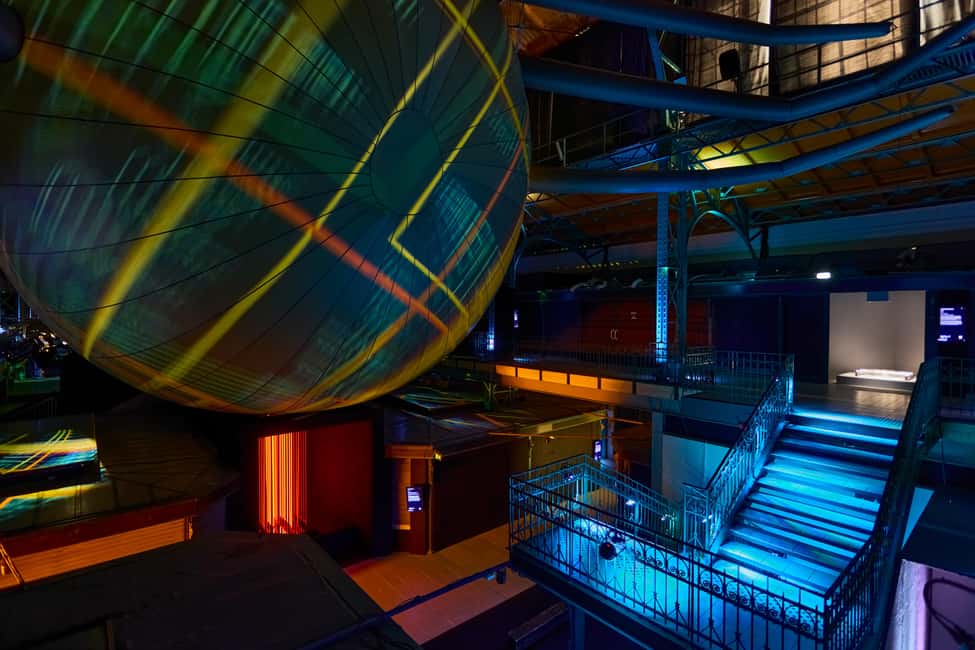
Budapest has its share of art museums, but the Light Art Museum takes a different route. Instead of a quiet white-box gallery vibe, you’re walking into what used to function as a farmers market hall, and the whole place has been converted into a modern light playground. The setting matters because it changes the pacing: you don’t just look at objects, you move through scenes built from color, shadow, and perspective.
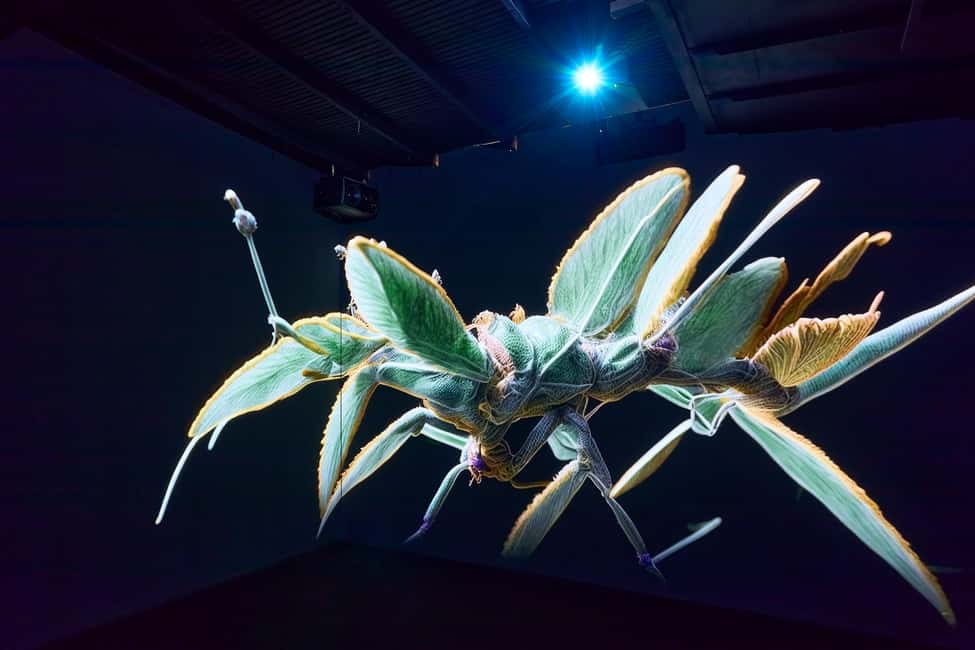
Right away, you can expect colorful lights and optical illusion effects that play with how your eyes read space. The museum leans into contemporary and modern art using new media, including projection mapping and site-specific installations. It’s a nice break from the usual sightseeing rhythm, especially if you’ve been walking through churches, courtyards, and museum rooms for days.
The ticket is for admission (no guide), so the experience is self-paced. That can be a plus. You can linger where something grabs you, and skip anything that doesn’t land.
You can also read our reviews of more museum experiences in Budapest



Your 2-hour plan inside: how to pace the installations
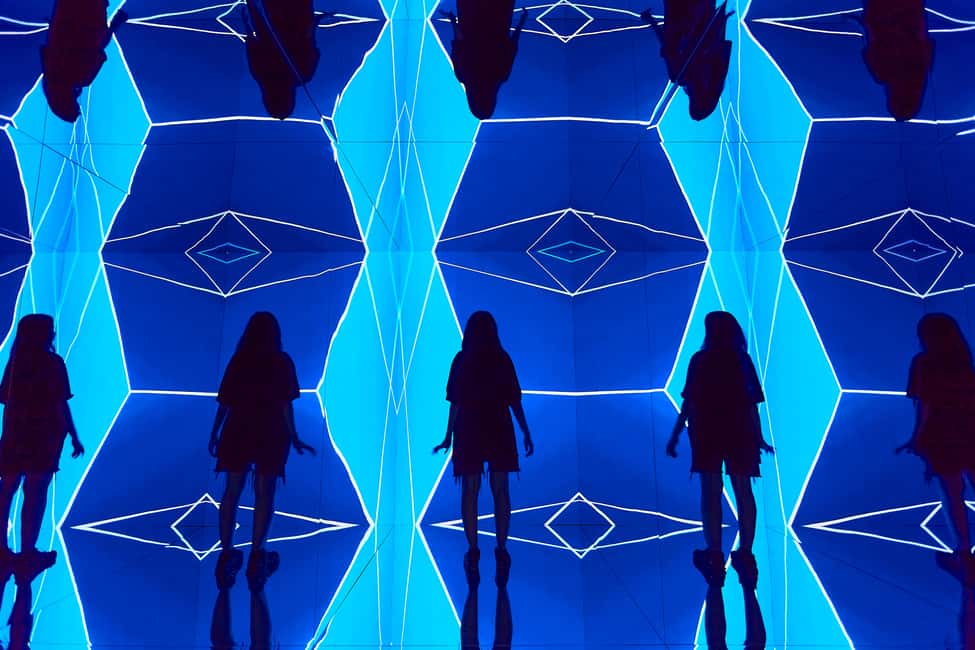
The experience is built around about 2 hours of exploration. That time limit is not just a scheduling detail; it affects how you should plan your walk. If you rush, you’ll miss the installations that reward close attention, like the light sequences and the spatial tricks in the central rooms. If you take it too slowly, you might start feeling pressured at the end, especially if there’s another timed slot right after yours.
A good way to pace it is to treat the museum like zones. First, do a general sweep for the big scenes. Then, return to the installations that gave you that wow moment, the ones you’ll want to photograph from multiple angles. The format is designed so you can move at your own speed, which helps if you travel with different energy levels in your group.
One practical tip: the museum is described as a mix of art and science, so it’s worth reading the info beside the installations when you can. Even if some explanations feel abstract, the museum’s whole point is that light can be “designed” like a medium. When you read a little and watch a little, the experience clicks faster.
The airlock dome, sphere, and blimp moments you’ll remember
Some experiences are memorable because of what they show. Others are memorable because of what they make you do. The Light Art Museum tends to do the second one.
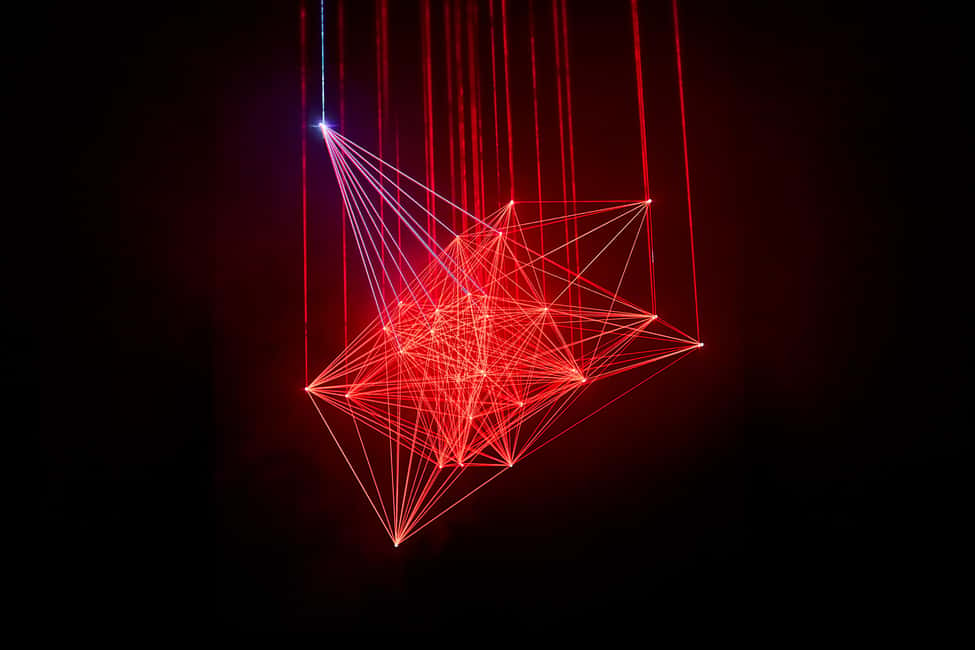
The airlock dome is the standout “body involvement” installation. It’s in the middle of the experience space, and the big instruction that keeps showing up is simple: lie down to experience it at its best. That turns a normal museum stop into something more like an optical theater—your field of view and posture become part of the artwork.
Other installations that get strong attention include a sphere (often described as unbelievable) and a blimp-style piece that feels quirky in the best way. What I like about this mix is that it keeps the museum from feeling one-note. You get hard-edged tech visuals in one room, then something playful and surreal in another.
There’s also a note to keep your expectations flexible. Some installations may be closed at times, so don’t assume you’ll see every single room at full capacity. If you walk in with a “pick a few must-sees and enjoy the rest” mindset, you’ll have a better time even if one exhibit is unavailable.
The art names you’ll see: Moholy-Nagy and Vasarely
Light art isn’t only about the tech. It’s also about the art ideas behind the tech. This museum specifically calls out works connected to pioneer light artist László Moholy-Nagy and op-art icon Victor Vasarely. That matters because both artists are tied to how visual perception can be manipulated—by color, geometry, and illusion.
Even if you’re not an art-history person, the presence of these names gives you a lens for what you’re seeing. You can treat the installations as experiments in perception. Why does a pattern look like it’s moving? How does color change the sense of depth? Why do straight lines and structured shapes feel alive under certain lighting?
If you like contemporary art but you get tired of explanations that feel distant, this museum can be a good middle ground. The experience is hands-on in the sense that your eyes and body position matter. You’re not decoding a single painting; you’re watching light design change how you perceive space.
Info screens, languages, and how to avoid a frustrating read
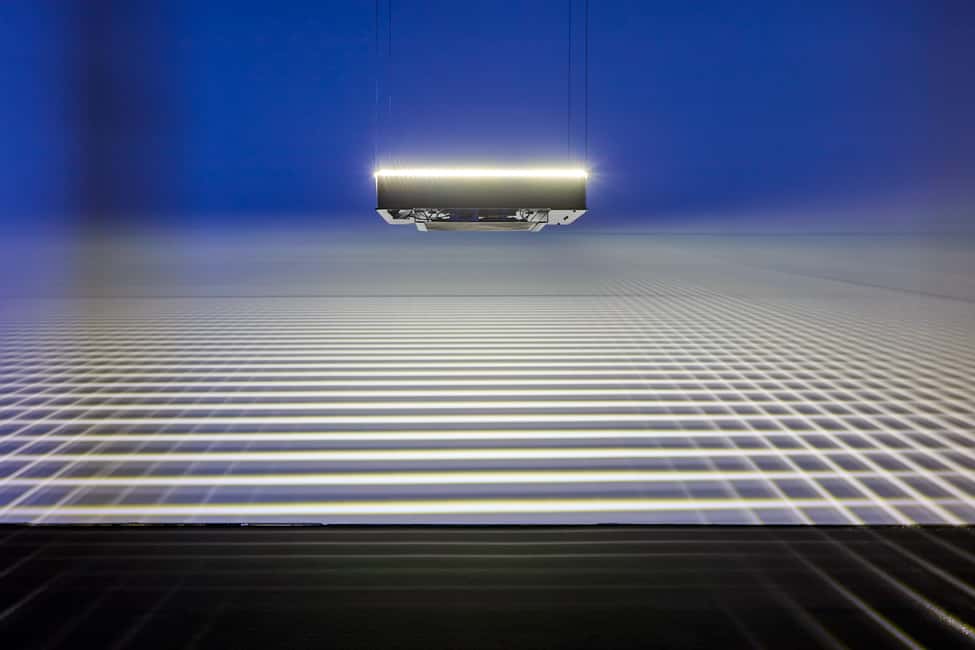
This museum uses English and Hungarian. That’s helpful, because you can actually follow the installations without needing your phone for every sentence. You can also expect there to be text around the exhibits, so you’re not walking completely blind.
One annoyance that has come up: information screens can switch languages while you’re reading. If that happens during your visit, it can be distracting, especially when you’re trying to understand the context of an installation. The easy fix is to take photos of any panels you want to read later, or focus more on watching the effect when the language flip makes reading harder.
For the best experience, don’t rely only on reading. The museum’s strongest moments usually work even if you only catch the overall idea. Light art is often about the effect first, explanation second. If your goal is to enjoy and take pictures, you’ll still get value even when the details are harder to parse in the moment.






Is it really family-friendly? The over-18 section matters
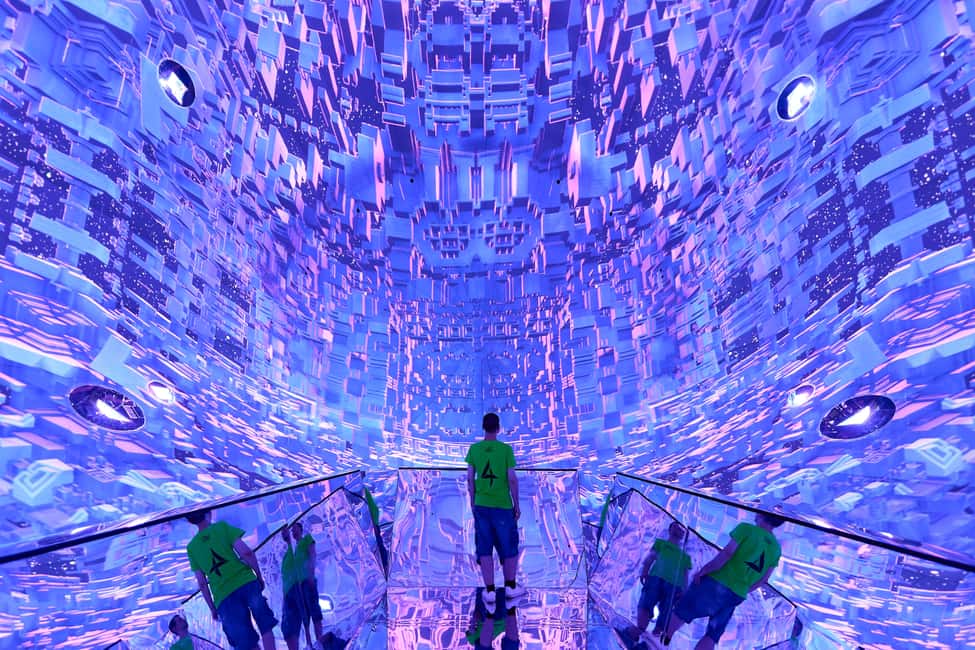
If you’re bringing children, this museum can work well. There are kid-friendly moments, and many people find it fun and engaging for families. The bright visuals and interactive-feeling installations can be a nice break from traditional museum rules where kids must stay quiet and still.
But here’s the part to plan around: there’s a section specifically for over 18s. That means you may not be able to access everything as a family. Depending on the ages of your kids and their comfort with restrictions, you might treat the visit like a pick-and-choose experience.
My advice is simple: plan to spend your time where the whole family can enjoy the installations, and don’t assume every room is open to you. If your kids are sensitive to darker spaces, strong sensory effects, or adult-only areas, you’ll have a smoother visit if you start earlier in your day and give yourself buffer time to reposition.
Price and value: what $18 buys you in real time
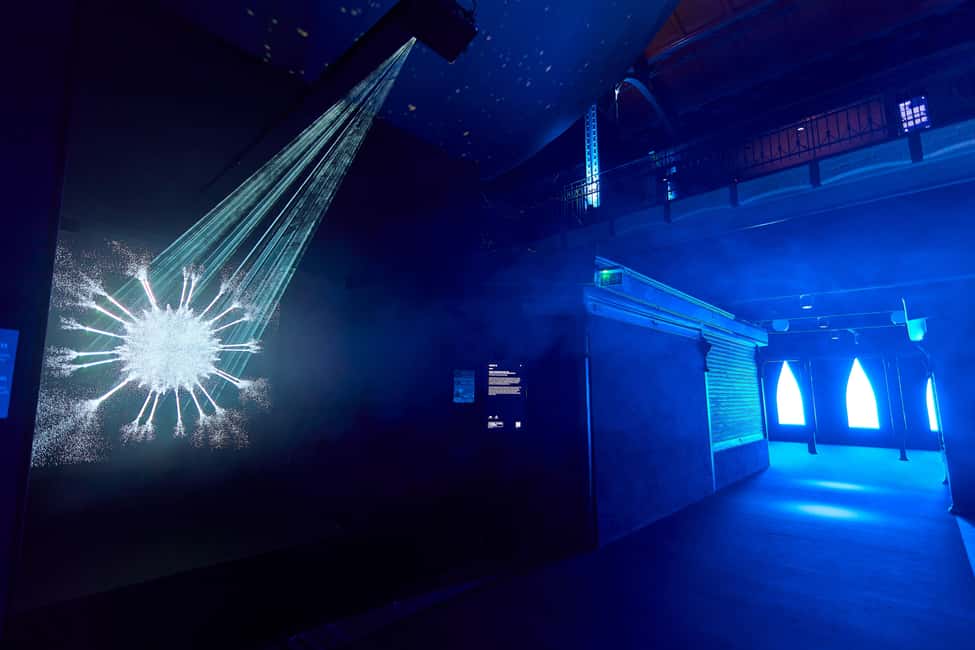
At $18 per person for the Light Art Museum ticket, you’re paying for a short, high-impact experience rather than a long gallery visit. The value is strongest because you get skip-the-line admission and about two hours inside. If your Budapest schedule is tight, two hours is a practical slice of time that still feels like an event.
Another value angle: many people report that entry capacity is limited, which helps keep the museum comfortable. That matters for a light-based attraction. If a space is too crowded, you lose the ability to photograph, watch, and take in details. Limited capacity helps you enjoy the installations without feeling pushed along.
Still, there’s one reason the price might not feel like a slam dunk for everyone: some exhibits can be closed, and the museum isn’t huge in terms of time required. If you love museums where you can spend four or five hours reading and wandering slowly, you may want to pair this with another attraction rather than expecting a full-day art fix.
Overall, for the combination of new media, optical illusions, and a setting that feels like a converted historic market hall, $18 often lands as fair value, especially if you go with the right expectations.
Timing and crowds: when you should go
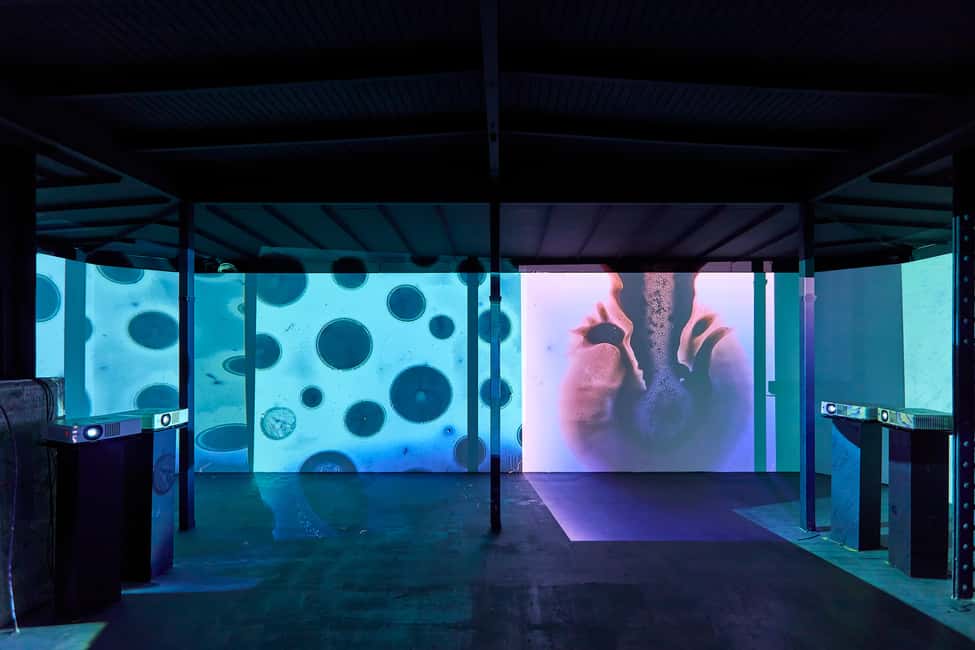
You’ll usually enjoy this museum more when it’s easier to see without shoulder-to-shoulder pressure. The good news is that capacity limits help, and many people say they appreciated that the experience doesn’t get too crowded. Even so, it’s smart to arrive with a plan.
Since your ticket is valid for one day and you can choose starting times by availability, you’re in control of your visit window. If you prefer a calmer experience, pick an earlier slot. If you want maximum “energy” and don’t mind more activity around you, later slots can be fine too.
Also, if you can, try to give yourself time to settle in after arrival. Light installations hit harder when your eyes adjust and you’re not rushing. Treat the first room like orientation, not the finishing line.
Getting the skip-the-line right: small move, big payoff
The ticket includes a skip-the-line option, and there’s a host or greeter on site. The practical move is to let them know you’d like to skip the line at the start. That small step helps you get moving faster and reduces the time you spend standing around before the lights start doing their thing.
No tour guide is included, so don’t plan to rely on someone leading you room to room. Instead, think of the host as a facilitator for entry, and treat the museum itself as your guide. If you like to self-direct, this format is a good fit.
Who this experience fits best (and who may not)
This museum is a smart choice if you:
- enjoy contemporary art, modern media, and perception tricks
- like interactive-feeling spaces where you can move and watch effects change
- want strong photo moments without needing deep art jargon
It may be less ideal if you:
- want a long, traditional museum with lots of reading and quiet time
- expect every installation to be open every day
- need a fully kid-accessible experience with no over-18 restrictions
If you’re the type who enjoys art as a sensory experience—light, motion, color, and illusion—this place tends to deliver.
Should you book the Light Art Museum ticket?
Book it if you want a two-hour burst of contemporary light art that uses a former market hall as its backdrop, and if you’re happy with a self-paced visit. With the skip-the-line option and limited capacity that can keep things comfortable, it’s a strong value for the time.
Skip it if you only enjoy museums with long galleries, quiet lecture-style context, and minimal sensory effects. And if you’re traveling with kids, do your planning around the over-18 section so the visit stays easy for everyone.
If you match your expectations to what the museum is built to do—turn light into art you can watch and photograph—you’ll likely feel like your time in Budapest was used in a memorable way.
FAQ
How long do I have in the Light Art Museum?
You get about 2 hours of exploration with your admission ticket.
Do I need a tour guide?
No. A tour guide is not included, so you explore on your own.
Can I skip the ticket line?
Yes. There is a skip-the-line option, and you should tell the hosts or greeter you want to skip the line when you arrive.
Which languages are available?
The host or greeter is available in English and Hungarian, and the experience uses these languages.
What is the ticket validity?
The ticket is valid for 1 day. Starting times depend on availability.
What if I need to cancel?
Free cancellation is available up to 24 hours in advance for a full refund.
Is it suitable for children?
It can be kid friendly, but there is also a section specifically marked for over 18s, so not everything may work for younger visitors.