REVIEW · HISTORICAL TOURS
Budapest: Jewish History with Local Guide & Synagogue Ticket
Book on GetYourGuide →Operated by Hungaria Koncert Ltd. · Bookable on GetYourGuide
Jewish Budapest clicks on this walk. I love the way the English-speaking local guide explains what you’re seeing, and you’ll also get Kazinczy Street Synagogue gallery access that most visitors miss. It’s a compact route, but it tells a full story: faith, community life, and the brutal events that followed.
One thing to know up front: this walking tour isn’t suitable for people with mobility impairments.
In This Review
- Key Highlights You’ll Actually Feel
- Jewish Budapest on Foot: Why This 2-Hour Route Works
- Meeting at the Herzl Tivadar Sign and How the Walking Loop Fits
- Dohány Street Synagogue and the Synagogue Triangle Idea
- Raoul Wallenberg Holocaust Memorial Park: Photo Stop With Real Purpose
- Jewish Quarter Walking: Holidays, Everyday Life, and Guided Context
- Rumbach Synagogue and the Ghetto Wall Fragment: Read the Details
- Inside Kazinczy Street Synagogue: Art Nouveau, Orthodox Life, and Gallery Access
- What the English Guide Does Best (Including a Name You’ll Hear)
- Price and Value: Why $34 Makes Sense for This Mix
- Practical Tips for Getting the Most From the Stops
- Who This Tour Suits Best (and Who Should Skip It)
- Should You Book? My Practical Verdict
- FAQ
- How long is the Budapest Jewish history walking tour?
- Is the tour offered in English?
- Where do I meet the guide?
- Which synagogue includes a ticket?
- Do I visit Dohány Street Synagogue and Rumbach Synagogue inside?
- Are pets allowed?
- Is this tour suitable for people with mobility impairments?
Key Highlights You’ll Actually Feel
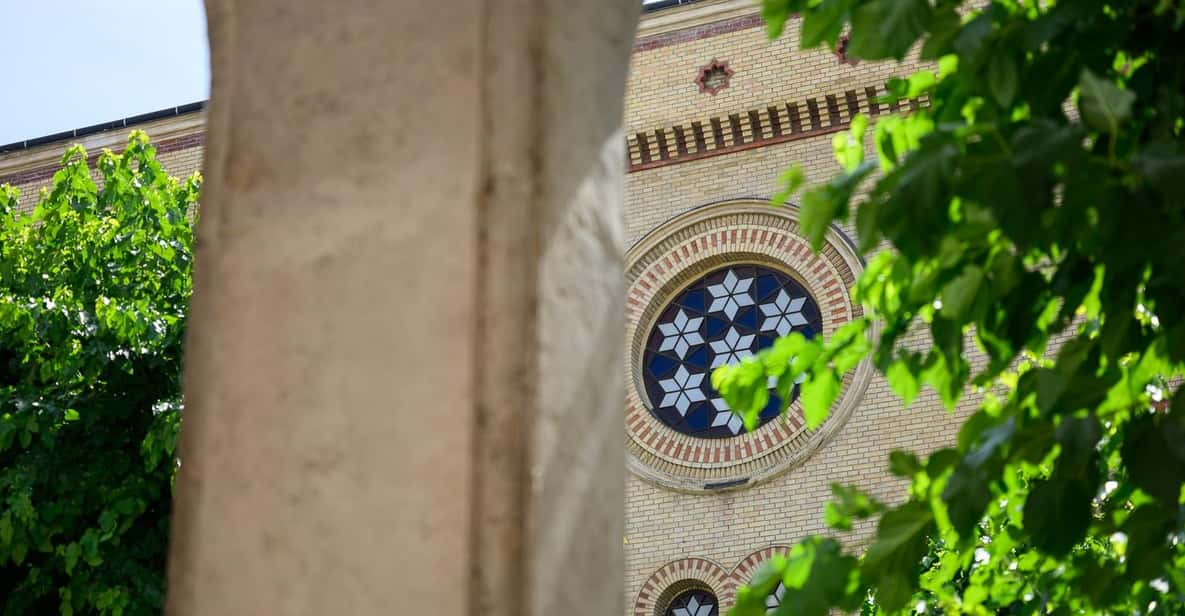
- Kazinczy Street Synagogue interior + gallery: ticket included, and the gallery is otherwise closed to the public.
- Synagogue Triangle context: you see how Dohány, Rumbach, and Kazinczy fit together in Budapest’s Jewish map.
- Holocaust-focused stops: the Raoul Wallenberg Holocaust Memorial Park and other memorial points ground the story in real place.
- Local guide storytelling: you get explanations of holidays and everyday Jewish life in Hungary, not just dates.
- Straightforward 2-hour format: outdoor photo stops plus a meaningful interior visit, all in one loop.
Jewish Budapest on Foot: Why This 2-Hour Route Works
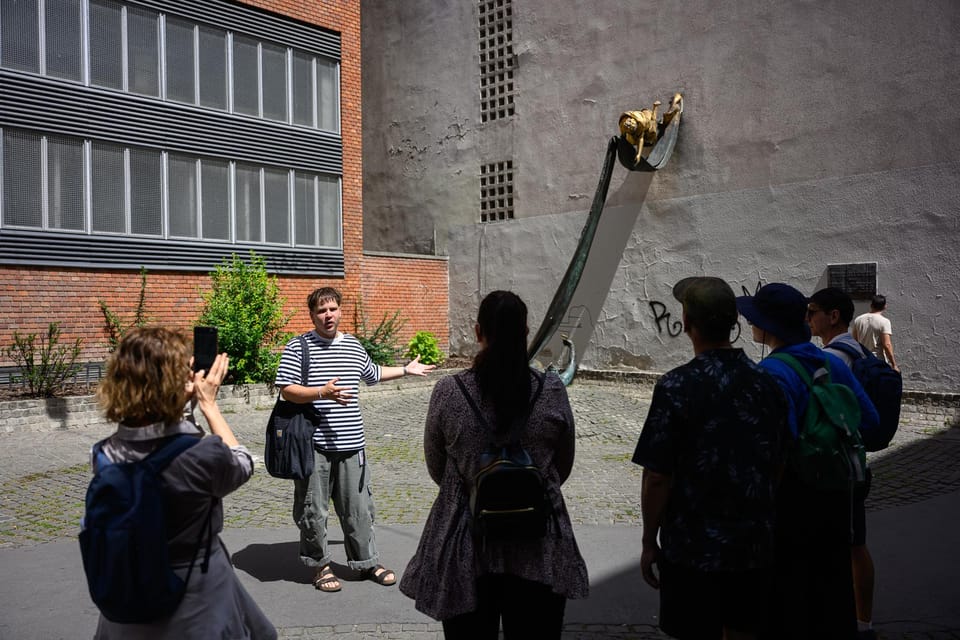
Budapest’s Jewish story can feel scattered—synagogues here, memorials there, and history in your guidebook. This tour keeps it practical: you walk, you stop, and you leave with a map in your head, not just facts in your notes.
What I like most is the balance. You’re not only focused on tragedy. You’re also learning how Judaism shows up in daily life—holidays, tradition, and community—so the memorials don’t feel like an unrelated detour. That contrast is exactly what makes the route meaningful.
And then there’s the standout reason to book: the Kazinczy Street Synagogue interior visit with exclusive gallery access. If you care about architecture and living religious spaces, that extra access is a big win for a tour priced at $34.
You can also read our reviews of more tours and experiences in Budapest


Meeting at the Herzl Tivadar Sign and How the Walking Loop Fits
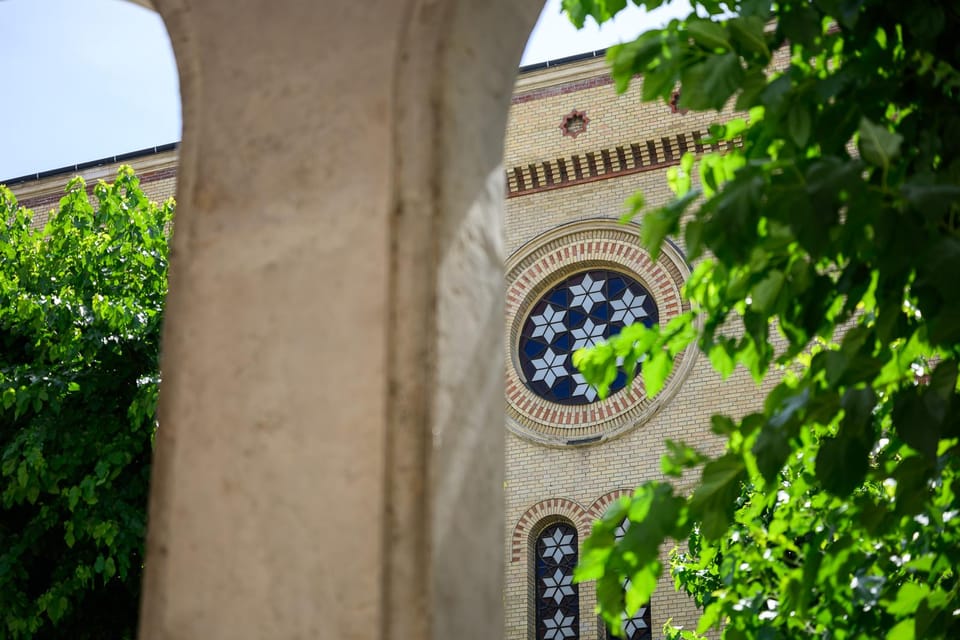
You meet your guide at the Herzl Tivadar sign, and the tour ends back at the same meeting point. That sounds small, but it matters. A loop like this keeps the timing tight and avoids the “where do we go now?” scramble.
Expect a mix of:
- short guided sections
- outside photo stops
- one main interior visit
Because it’s a walking tour, I’d plan for city pacing. Wear comfortable shoes and keep your phone charged for photos—especially at the Holocaust-focused stops.
Dohány Street Synagogue and the Synagogue Triangle Idea
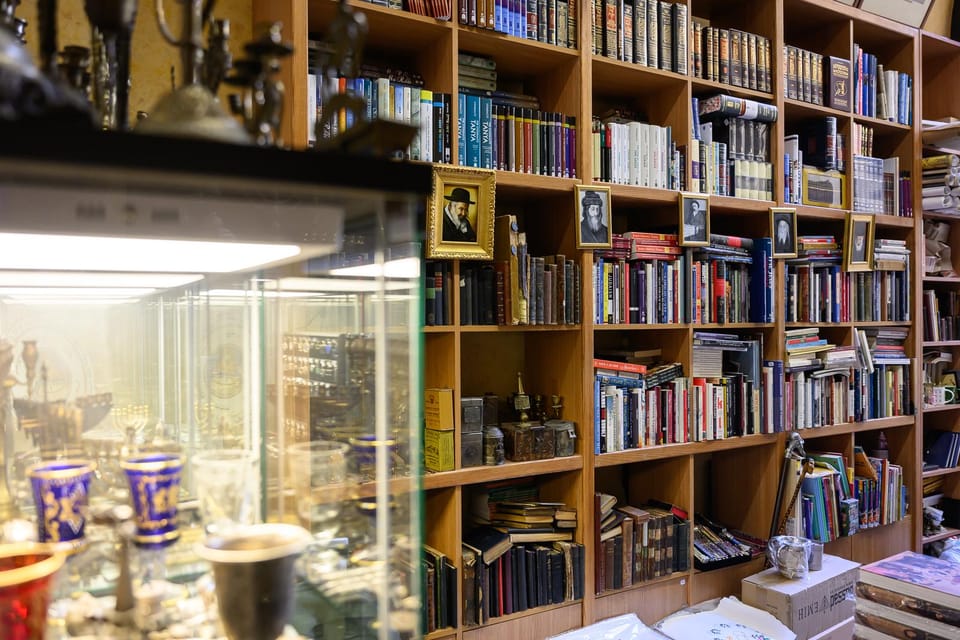
The tour starts at the Dohány Street Synagogue, and you’ll view it from the outside. This is the largest synagogue in Europe and the second largest in the world, so even a quick outside look gives you immediate scale. More importantly, your guide uses Dohány as the anchor point for the broader “synagogue triangle” in Budapest.
Here’s the payoff of starting at Dohány: it sets expectations. When you later visit Kazinczy Street Synagogue, you can compare styles and size, and you understand why multiple synagogues served different needs over time. Without that context, each stop can blur into “another beautiful building.”
Also, this is where the tour begins threading history into place. You’ll hear facts and local stories connected to the former ghetto, which helps you interpret what you see later—especially the memorial elements.
Raoul Wallenberg Holocaust Memorial Park: Photo Stop With Real Purpose
One of the first major pauses is the Raoul Wallenberg Holocaust Memorial Park. It’s a photo stop, but don’t treat it as casual. The tour uses this point to slow you down and connect the earlier synagogue context to what happened to Jewish communities in Hungary.
Wallenberg’s name matters because he represents moral courage during the Holocaust period. When your guide frames the memorial with what it stands for, the stop becomes less about an image and more about understanding the stakes behind the history you’re learning.
A practical tip: pause for a full minute before snapping photos. Let the guide’s explanation land first, then take pictures while it still makes sense.
Jewish Quarter Walking: Holidays, Everyday Life, and Guided Context
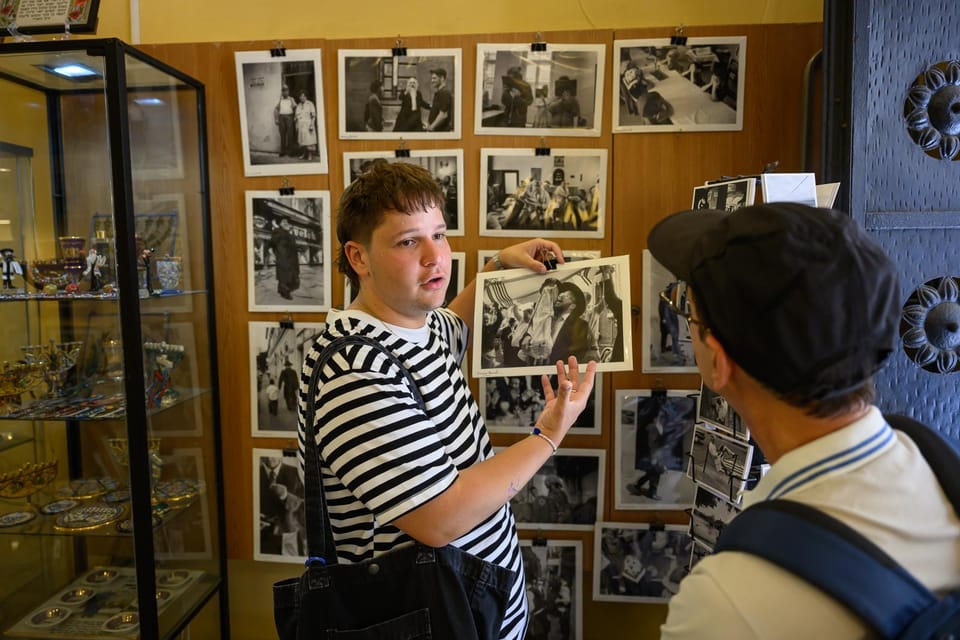
After the early landmarks, the route moves through the Jewish Quarter with a guided section. This is where the tour becomes more than architecture.
You’ll get a lesson on Jewish heritage, history, and culture in Hungary—especially the way Judaism shows up in everyday life. The guide also connects that to holidays and traditions, so the religious story isn’t stuck in the past. It becomes something you can recognize even if your background is different from the community’s.
This section is valuable because it gives you “translation skills.” Later stops—like synagogue exteriors and memorial walls—won’t feel like random sights. You’ll understand what they meant to real people, not just what they look like in a city photo.
You can also read our reviews of more guided tours in Budapest





Rumbach Synagogue and the Ghetto Wall Fragment: Read the Details
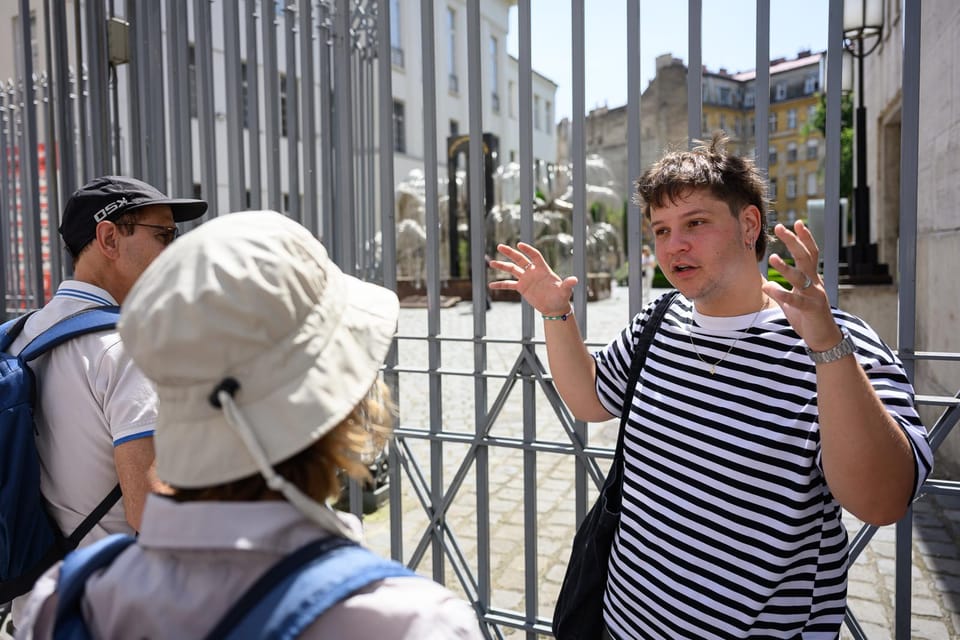
Two of your stops are outside photo stops: Rumbach Synagogue and the Jewish Ghetto Wall Fragment. These aren’t full interior visits, but they’re still important for your mental map.
Rumbach Synagogue is part of that synagogue triangle story. Even from outside, you’ll learn how it fits in the overall pattern of Budapest’s Jewish religious life. It’s one of those places where the guide helps you see beyond the postcard view.
Then there’s the Jewish Ghetto Wall Fragment. A wall fragment is small compared to a whole building, but it’s heavy for a reason. Your guide frames it in relation to the former ghetto and what daily life meant under that kind of confinement. If you’re the type who gets something from “plain” historical evidence, this stop hits.
My advice: don’t rush these. Take a step back, look around, and then listen. The impact is in the contrast—between what remains and what can no longer be seen.
Inside Kazinczy Street Synagogue: Art Nouveau, Orthodox Life, and Gallery Access
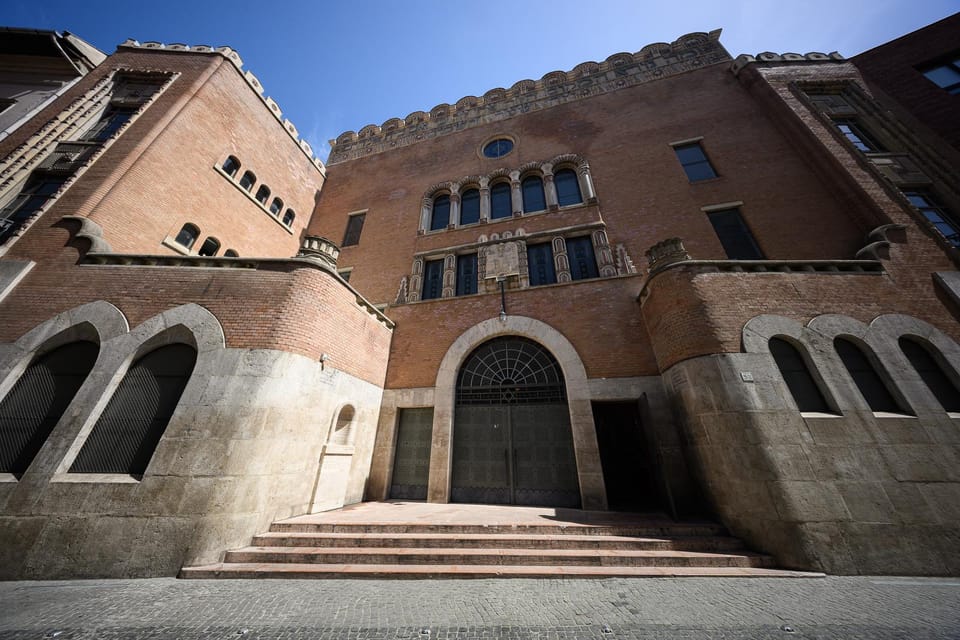
The tour’s main interior visit is the Kazinczy Street Synagogue. Here you’ll do:
- photo stop
- interior visit
- guided tour (and ticket included)
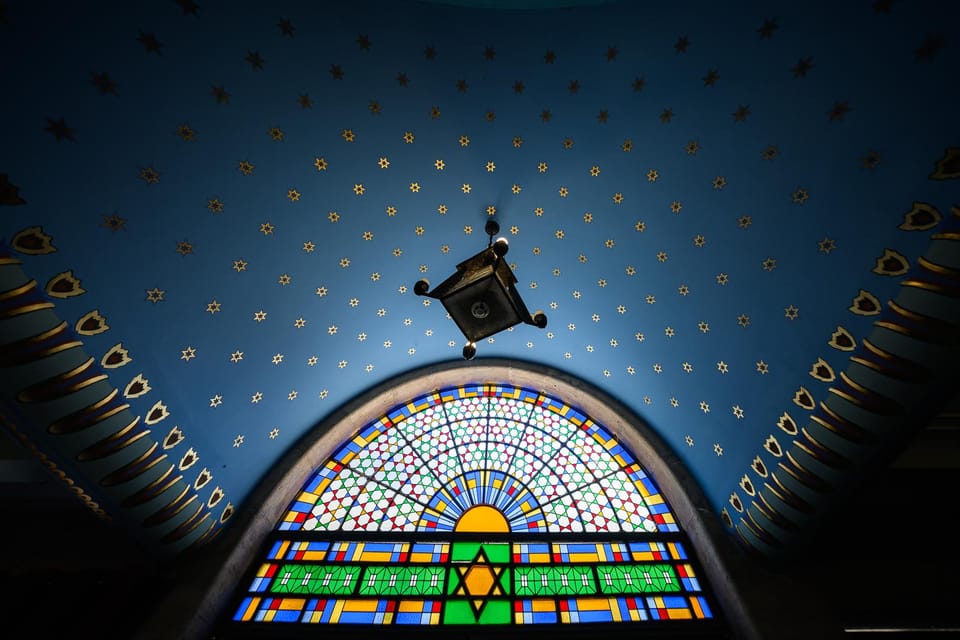
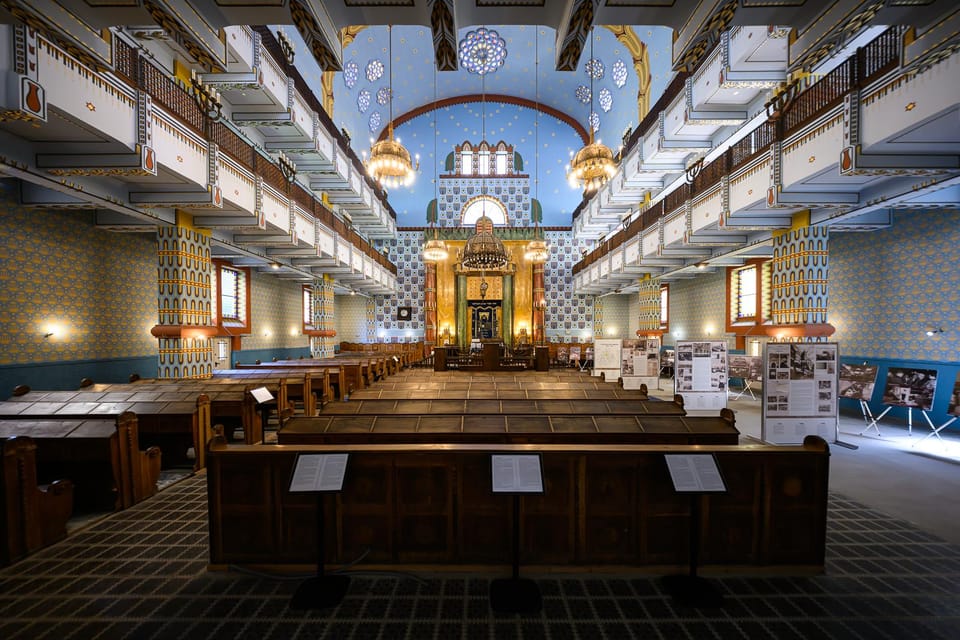
Kazinczy is built in Art Nouveau style and is described as one of the largest operating Orthodox synagogues in Europe. That phrase matters. It’s not a museum pretending to be a synagogue. It’s a living place of worship, which changes the tone instantly when you step inside.
The real reason to prioritize this tour is the exclusive gallery visit. You’ll access the gallery with your guide, and you’re told it’s otherwise closed to the public. For many visitors, synagogues feel like you’re peering at the main space from the ground level. This adds an extra layer of perspective—how the interior is arranged and how worship space has been used.
You’ll also get a guided explanation tied to the broader history your tour has built up. That means you’re not just admiring architecture. You’re learning what makes this specific synagogue significant in Orthodox Jewish life in Budapest.
What the English Guide Does Best (Including a Name You’ll Hear)
The tour is offered only in English, and the strongest praise you’ll see focuses on how clearly the guide explains things. One guide name that appears in feedback is Dora, often described as especially engaging and good at explaining details.
What I value in a guide for a subject like this is structure. Jewish history in Budapest can run across multiple centuries and political shifts, and without a good guide it’s easy to lose the thread. Here, the guide’s job seems to be exactly that: connecting each location to the next so you understand the sequence.
If you want to get the most out of the tour, listen for how the guide ties:
- synagogue styles to community life
- memorial sites to the reality of persecution
- daily traditions to what the community valued
That’s where the tour stops being “interesting” and becomes useful.
Price and Value: Why $34 Makes Sense for This Mix
At $34 per person for a 2-hour walking tour, the big question is: what are you really buying?
You’re paying for:
- an English-speaking local guide
- a structured walk with context
- Kazinczy Street Synagogue admission
- guided access to the synagogue’s gallery (normally closed)
That last part is the value lever. If you were to try to piece together synagogue visits on your own, you’d still need guidance to understand what you’re seeing, and you might not get that gallery access at all. So the pricing feels reasonable for the combination of interpretation plus an included interior ticket.
In other words: it’s not just a stroll. It’s a history lesson built around an access perk.
Practical Tips for Getting the Most From the Stops
A few things will help you enjoy this tour more right away:
- Bring a jacket or layers. Synagogues and outdoor memorial stops can feel cooler or colder depending on the day.
- Use comfortable shoes. It’s a walking loop with time spent standing at photo stops.
- Keep your expectations realistic. Some locations are outside photo views. The biggest interior focus is Kazinczy.
- Be ready for emotion. The Holocaust-related stops aren’t window dressing; the guide frames them with meaning.
Also note: pets are not allowed inside the synagogue, though pets are welcome during the walking tour. If you’re traveling with a pet, you’ll want to plan for that.
Who This Tour Suits Best (and Who Should Skip It)
This experience is a strong fit if you want Jewish history in Budapest with context, not a random hop between landmarks. It’s also a great choice if you want one guided route that covers:
- major synagogue sites connected to the synagogue triangle
- Holocaust memorials
- cultural explanations about Judaism in Hungary
You might want to choose something else if:
- you need step-free accessibility (it’s not suitable for people with mobility impairments)
- you prefer only interior visits with no outside photo stops
If you like architecture and religious spaces, the Kazinczy interior and gallery access alone make it appealing.
Should You Book? My Practical Verdict
Yes—if you want a guided route that connects buildings to meaning, book it. The tour hits the places that matter in Budapest’s Jewish story and keeps the pacing tight for a two-hour window.
The decision point for me is simple: Kazinczy Synagogue gallery access. That’s not a small add-on. It’s a rare permission that turns a standard synagogue visit into something more. Pair that with an English local guide and Holocaust-grounded stops, and $34 starts to feel like fair value for an experience you’ll remember for the right reasons.
FAQ
How long is the Budapest Jewish history walking tour?
The tour lasts about 2 hours.
Is the tour offered in English?
Yes. The tour is only available in English.
Where do I meet the guide?
Meet your guide at the Herzl Tivadar sign.
Which synagogue includes a ticket?
The tour includes admission to Kazinczy Street Synagogue, plus guiding during the interior visit.
Do I visit Dohány Street Synagogue and Rumbach Synagogue inside?
Dohány Street Synagogue is an outside visit, and Rumbach Street Synagogue is also handled as an outside photo stop, while Kazinczy Street Synagogue includes an interior visit.
Are pets allowed?
Pets are not allowed inside the synagogue, but pets are welcome during the walking tour.
Is this tour suitable for people with mobility impairments?
No. It is not suitable for people with mobility impairments.