REVIEW · 1-DAY TOURS
Private day trip: Budapest > Bratislava & Vienna, in English
Book on GetYourGuide →Operated by My Europe Journey · Bookable on GetYourGuide
Two capitals in one day can feel like a magic trick. This private trip from Budapest combines historic Bratislava sights with Vienna’s big royal stops, all with an English-speaking driver at your side. It’s a smart way to squeeze in two countries without dealing with trains, transfers, or time-wasting connections.
I particularly like the comfort of having a dedicated vehicle with hotel pickup and drop-off. I also love that the day balances guided context (your driver shares what you’re looking at) with practical breathing room for wandering, photos, and shopping in both cities.
One consideration: tickets aren’t included, so you’ll want to plan which palace/cathedral experiences you actually want before you go. That way you’re not surprised when it’s time to pay entry fees on your own.
In This Review
- Key things to know before you go
- Why this Budapest-to-Vienna day trip actually works
- Budapest pickup: the shortcut that makes the day feel lighter
- Bratislava Old Town: the small-city walk you’ll remember
- The Bratislava Castle viewpoint: where the city makes sense
- St. Martin’s Cathedral: one interior stop, big payoff
- The Vienna switch: when the day grows grand
- Schönbrunn Palace: the classic Vienna stop with real structure
- St. Stephen’s Cathedral: Vienna’s unmistakable center
- Hofburg Palace and Vienna’s historic center: finishing strong
- Price and logistics: what $362 per person is really buying
- Driver style: friendly, English-speaking, and flexible
- Practical planning tips so your day runs smooth
- Should you book this private day trip?
- FAQ
- Is hotel pickup and drop-off included?
- What language is the driver?
- Are tickets to palaces and cathedrals included?
- Is the driver a licensed guide?
- What vehicle will I ride in?
- How long is the day trip?
Key things to know before you go
- Hotel pickup and drop-off in Budapest saves you time and stress
- English-speaking driver shares local knowledge, but isn’t a licensed guide
- Two full cities in 11 hours means a packed schedule with breaks
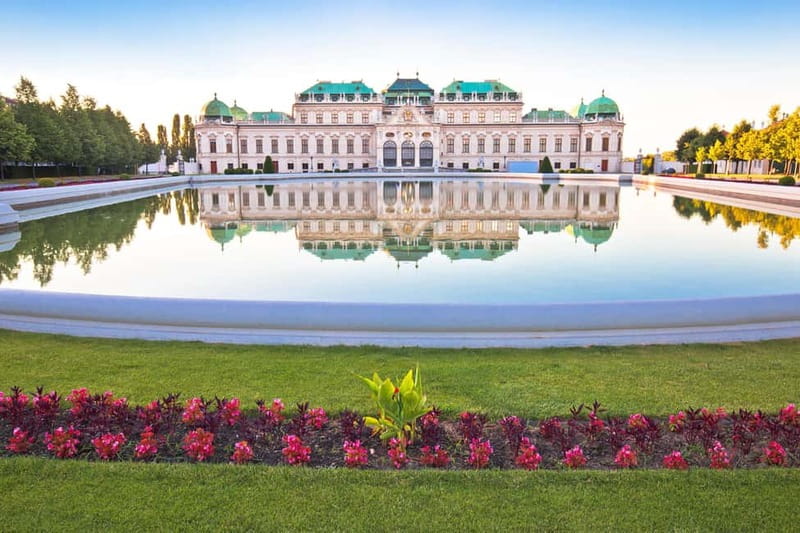
- Bratislava Old Town + Castle + St. Martin’s Cathedral anchors the Slovak half
- Schönbrunn Palace + St. Stephen’s Cathedral + Hofburg area hits Vienna’s major icons
- Vehicle type depends on your group size (sedan/combi, MPV, or van)
Why this Budapest-to-Vienna day trip actually works
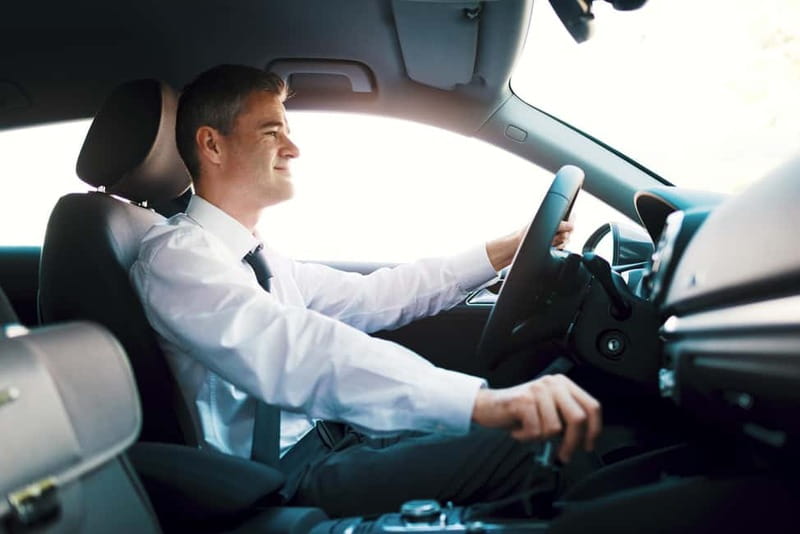
A long day between capitals sounds exhausting on paper. In practice, it can be an efficient way to see major highlights with less friction than public transport. You’re paying for private time, not just sightseeing.
The real value here is the combination of logistics + local context. You get a driver who can handle directions and timing, plus enough commentary to make the places feel connected rather than random stops. And because it’s private, you can spend your free time how you like—lingering for photos, grabbing coffee, or stepping into shops without rushing a group back to a bus.
The trip is also structured to keep you moving. You’ll have a mix of short guided moments, visits, and self-guided time blocks (around two hours in both Bratislava and Vienna). That’s key when you want to see the big sights without turning the day into a checklist sprint.
You can also read our reviews of more private tours in Budapest


Budapest pickup: the shortcut that makes the day feel lighter
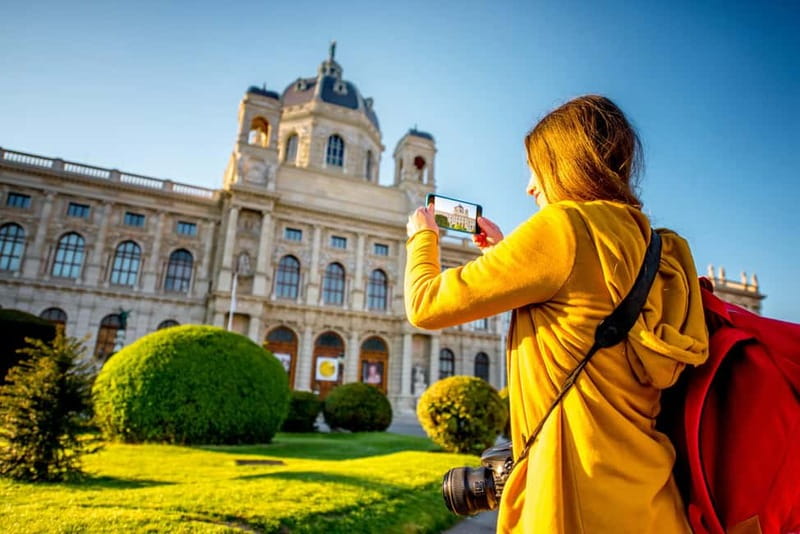
Your day starts with pickup from your hotel in Budapest, and you’ll return there at the end. That matters because you avoid the “where do we meet, which station, which line, which platform” scramble that can eat half a day.
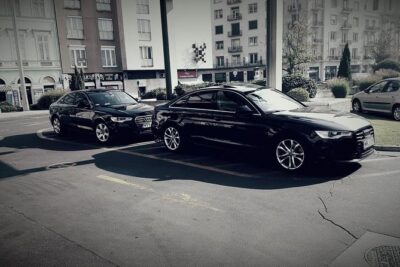
You’ll ride in an air-conditioned private vehicle with bottled water onboard. Vehicle choice depends on group size:
- 1 to 3 people: sedan or combi
- 4 people: MPV
- 5 to 7/8 people: van
This isn’t just comfort. It’s also practical for a day that includes driving, walking, and getting in and out of stops without juggling crowded spaces.
Also, quick reality check: it’s an 11-hour day. Even with a private car, you’ll still feel travel time between cities. I like itineraries like this when they’re flexible on the ground, because you can adjust your pace if one stop takes longer than expected.
Bratislava Old Town: the small-city walk you’ll remember
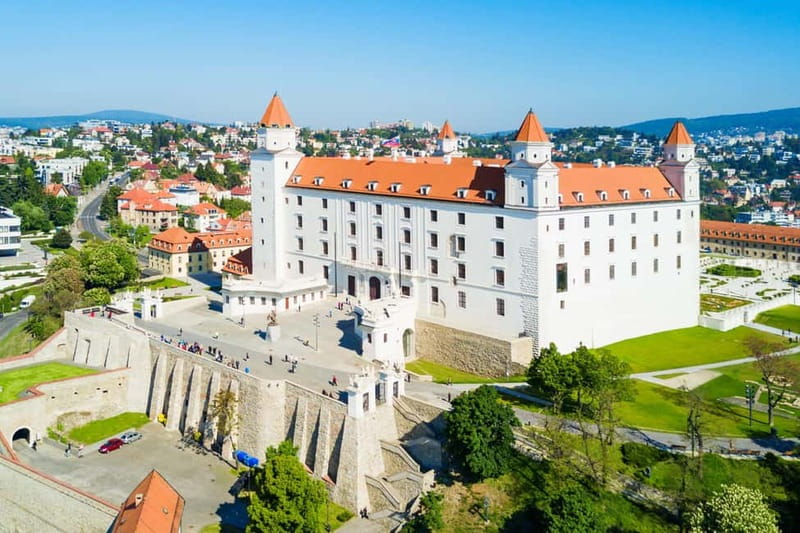
Bratislava is the part of the day where the pace often feels easiest. Once you arrive, you get break time and then time to explore the Old Town area with walking and sightseeing.
Here’s what makes this stop work so well: the Old Town is compact enough to enjoy without needing a strict route. You can drift for photos, stop for a coffee, and browse without the constant worry of missing a bus connection. It’s also a good place to get your bearings fast because you’ll see the shapes of the city right away—street layouts, key squares, and the general “Slovakia vibe” that’s different from Budapest.
You’ll also have time for shopping and some free roaming. That’s useful because not everyone wants the same kind of souvenir hunt. Some people just want a snack break. Others want a quick browse for local goods.
Possible drawback? Old Town walking can be slow if the weather turns or if you’re the type who needs lots of sit-down time. If you want minimal walking, it may be harder to get through both Bratislava and Vienna comfortably in one day.
The Bratislava Castle viewpoint: where the city makes sense
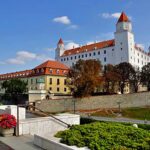
After Old Town time, the itinerary shifts toward the high point: Bratislava Castle. This stop is great because it gives you scale. From up there, you get a clearer picture of how the city sits in relation to the river and the surrounding areas.
Even if you don’t spend hours inside, the castle area is worth it for the views and the sense of place. It’s also a strong photo moment—especially because you can compare your earlier street-level impressions with what you see from above.
If you’re someone who enjoys “look first, then explore,” the castle visit is a helpful pivot. You’ll spend the later parts of the day noticing details more easily because you’re no longer viewing the cities as separate scenes.
St. Martin’s Cathedral: one interior stop, big payoff
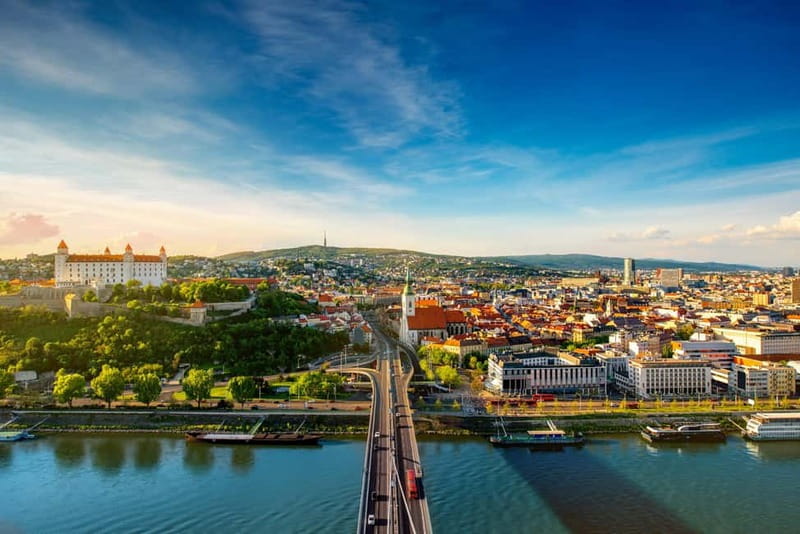
Next up is St. Martin’s Cathedral in Bratislava. Cathedrals can be hit-or-miss on a tight schedule, but this one tends to be worth the time because it gives a focused interior experience after all the street walking.
The practical benefit is pacing. You’re not asked to keep walking nonstop. You get a defined visit, and then you can reset with fresh energy for the next movement toward Vienna.
Because tickets aren’t included, it’s smart to keep an eye on what you want to see inside. If a particular interior space matters to you, plan ahead so you’re not surprised when it’s time to buy entry on the spot.
You can also read our reviews of more tours and experiences in Budapest

The Vienna switch: when the day grows grand
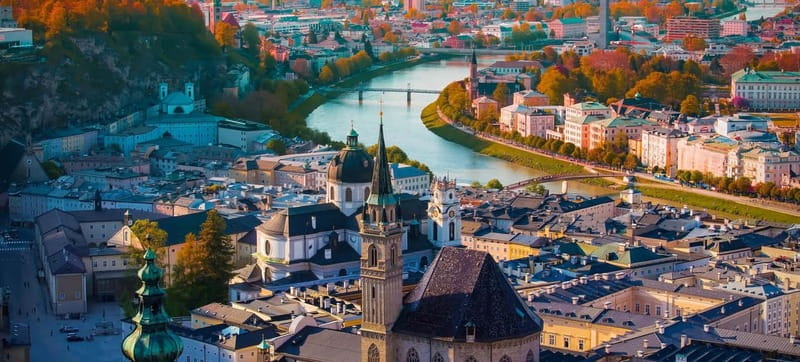
Crossing into Vienna feels like the day level-up. Bratislava sets the stage, then Vienna brings the bigger palace-and-cathedral energy.
You’ll have another break and photo stops, then time for visits and sightseeing in the Austrian capital. There’s also time for coffee or lunch on your own—important note: the tour schedule includes time for meals, but meals are not included, so you’ll pay for food separately.
This is where private transport pays off again. Vienna can be confusing if you’re navigating on your own, especially when you’re short on daylight. With your driver handling transit, you can focus on the parts of Vienna you actually care about.
Schönbrunn Palace: the classic Vienna stop with real structure
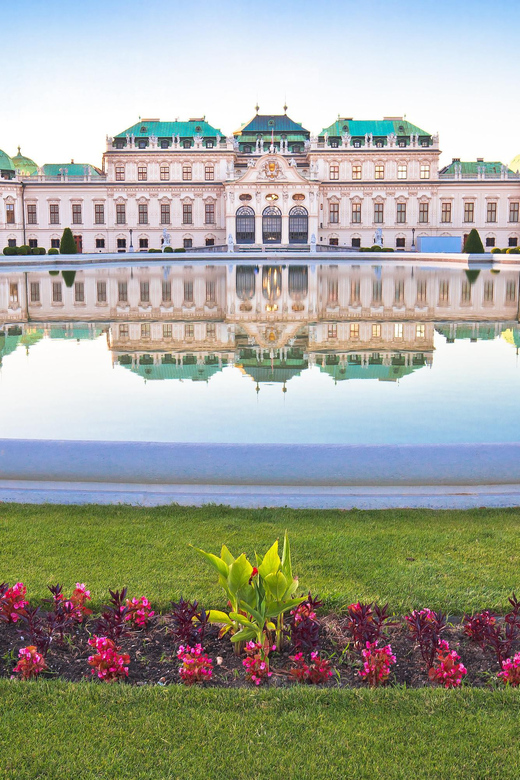
Schönbrunn Palace is one of Vienna’s signature visits, and this trip gives it serious time as a dedicated stop. Whether you’re into architecture, royal-era storytelling, or just the feeling of being in a world-famous complex, this is the kind of site that rewards being intentional.
On a day trip, the biggest trap is trying to see too much inside. You’ll likely have limited time, so decide what you want most:
- the main rooms (if that’s your priority)
- gardens and exterior views (if you prefer photos and walking)
- or simply the palace atmosphere without overpacking your schedule
Because tickets aren’t included, check what sections you want and buy entry accordingly (you can do it online or on-site, depending on availability). This is one of the easiest ways to protect your day from “ticket line drama.”
Also, your driver isn’t a licensed guide, so think of your time as guided-by-context rather than a full commentary tour. If you want very deep interpretation of the rooms, consider supplementing your time with whatever audio guide or on-site information is offered at the palace.
St. Stephen’s Cathedral: Vienna’s unmistakable center
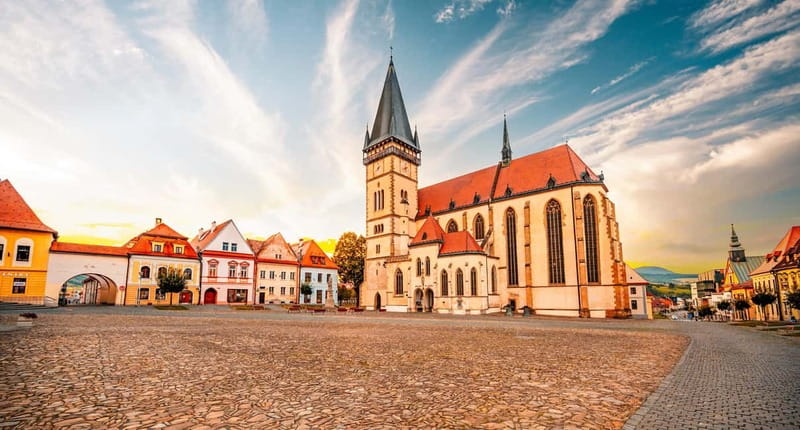
After Schönbrunn, the schedule hits St. Stephen’s Cathedral. This is the kind of stop where you get instant orientation—Vienna is always going to feel like Vienna once you’re in the cathedral area.
The value here is contrast. Schönbrunn is about palatial scale. St. Stephen’s is about the urban center: a place that feels anchored in daily life, not just royal grandeur.
Even if you’re not planning a long interior visit, stopping here helps you “map” Vienna in your mind. You can then use the remaining free time to explore the historic center with better confidence about where you are and what you’re seeing.
Again, plan for entry costs since tickets aren’t included. If you’re unsure about how much time to spend inside, err toward what matches your interests rather than trying to do everything.
Hofburg Palace and Vienna’s historic center: finishing strong
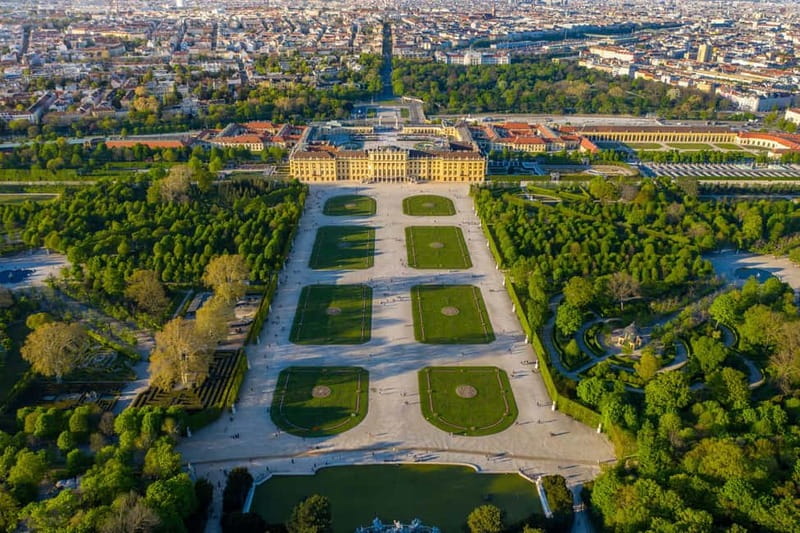
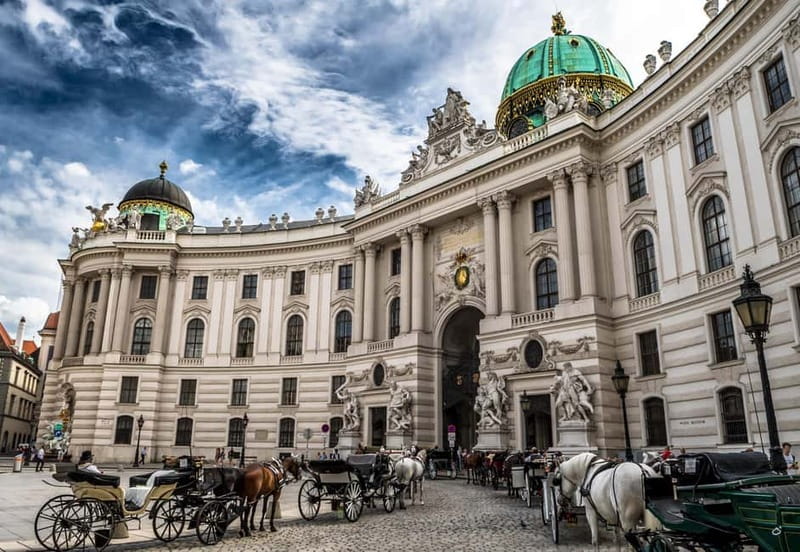
The tour highlights Hofburg Palace as part of the experience, and your day also includes time in Vienna’s Historic Center. Together, these stops help you understand Vienna’s power shift: the city isn’t only one “style”—it’s a mix of royal institutions, grand public areas, and streets that evolved around them.
I like finishing with the historic center because it turns the day into more than just museum and palace time. This is where your free walking time becomes useful. You can step into squares, browse shops, and pause when something catches your eye.
Because the day is timed and private, you’re not stuck with the stress of a schedule that depends on a group bus. You’ll still be moving, but you can usually make small timing choices—like speeding up for photos or slowing down for coffee—without derailing everything.
Price and logistics: what $362 per person is really buying
At $362 per person for an 11-hour private day trip, the question isn’t just whether it’s expensive. It’s what you’re paying for.
You’re paying for:
- two-way private transfer between Budapest and both cities
- a dedicated English-speaking driver
- hotel pickup and drop-off
- an air-conditioned vehicle sized to your group
- bottled water and all taxes/fees included
What’s not included is also clear: tickets and meals. That’s normal for private sight-seeing, but you should treat it like part of your budget.
So when does this feel like good value?
- When you want privacy and door-to-door convenience
- When you’re traveling in a group where sharing a vehicle reduces the “per seat” feeling of cost
- When you don’t want to spend your day coordinating transport
When might it feel less ideal?
- If you only want one city’s highlights and would rather do Vienna (or Bratislava) more slowly
- If your plan is mostly to wander independently without needing any driver help
For most people doing a first-time region trip, this format tends to make sense because you’re buying time, comfort, and smart sequencing.
Driver style: friendly, English-speaking, and flexible
One of the most praised parts of this experience is the driver’s approach. English communication is a must for a day like this, and multiple drivers have been praised for being both friendly and informed.
A detail that matters: the driver is not a licensed guide. That means you should expect conversation and helpful context, but not the full structure of a certified guiding service. For many people, that’s perfect. You get direction without feeling trapped in a lecture.
It also helps that drivers are described as available and accommodating, including adjusting timing when needed. For a day that includes free time blocks and multiple visits, this kind of flexibility keeps things feeling relaxed instead of frantic.
Practical planning tips so your day runs smooth
A few small choices can make the difference between a good day and an exhausting one.
- Pick your must-do interiors in Vienna. Tickets aren’t included, so decide if Schönbrunn and St. Stephen’s interior access matters most to you.
- Treat lunch as on your own. The day includes time for it, but meals aren’t included, so budget accordingly.
- Wear shoes you can walk in. You’ll stroll Old Town areas and spend time walking around cathedral and palace zones.
- Have a photo plan. You’ll have photo stops plus time in key areas, so keep your priorities in mind before you arrive.
- Use your driver’s knowledge. Ask quick questions while you’re in transit. That’s often when you’ll get the most helpful context.
Should you book this private day trip?
I’d book it if you want to see Bratislava and Vienna highlights without spending your day figuring out transport. It’s especially good if you like a mix of guided context and personal time for walking, photos, and shopping.
I’d think twice if you prefer slower travel with fewer stops, or if you already plan to handle all your transport and ticket purchases on your own. This trip is built for people who want a structured “best of” day, delivered in a comfortable, private way.
If you’re on your first visit to the region, this is one of the most practical ways to cover serious highlights in a single day.
FAQ
Is hotel pickup and drop-off included?
Yes. You’re picked up from your hotel in Budapest and returned there at the end of the day.
What language is the driver?
The driver speaks English.
Are tickets to palaces and cathedrals included?
No. Tickets are not included. You’ll need to buy or check availability on your own (online or on-site), and it’s a good idea to verify opening hours.
Is the driver a licensed guide?
No. The driver is not a licensed guide, but they are happy to share knowledge and information during the trip.
What vehicle will I ride in?
Vehicle type depends on group size: sedan or combi for 1–3 people, MPV for 4 people, and a van for 5 to 7/8 people.
How long is the day trip?
The duration is 11 hours, with starting times depending on availability.