REVIEW · BUDAPEST
Life Under Communism” with optional visit to the House of Terror
Book on Viator →Operated by Fungarian · Bookable on Viator
Soviet echoes are still on street corners. This 3-hour Budapest walking tour lays out the communist era in real places, and I especially like how the guide turns monuments into stories you can picture. You also get a coffee stop at Bambi Presszó, which feels like a small time capsule rather than a random break.
One thing to keep in mind: the optional add-ons (either Memento Park or House of Terror) can change how the day feels, and the museum pacing depends a lot on your guide and the questions you ask.
In This Review
- Key things to know before you go
- Seeing communism in the shape of Budapest streets
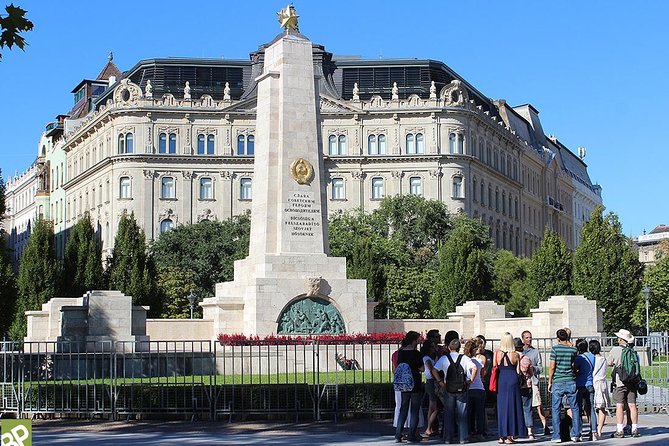
- Liberty Square: start with the Soviet army memorial
- Szabadság tér: why big spaces can feel like a strategy
- Kossuth Square and the Hungarian parliament during 1956
- Parliament area quick hits: names, neighbors, and context
- Petőfi Statue and Március 15. Square: a social scene, not just a landmark
- Corvin köz: where 1956 resistance turned personal
- Crossing toward Gellért Hill: the city’s “lookout” lesson
- Bambi Presszó café stop: coffee with a political undertone
- Optional add-on: Memento Park for the statues that survived
- Optional add-on: House of Terror for the museum experience
- Price and logistics: what you’re paying for, and what to watch
- Who should book this Budapest communist-era walk
- Should you book it?
- FAQ
- How long is the Budapest communist-era walking tour?
- Is the tour private?
- What language is the tour offered in?
- What if I want the House of Terror or Memento Park?
- Is the coffee stop included?
- Are entrance tickets included?
- What’s the physical requirement?
Key things to know before you go
- Liberty Square and the Soviet memorial set the tone fast, with World War II siege symbolism right at the start
- Kossuth Square and 1956 connect political events to the crowd scenes around Hungary’s parliament
- Corvin köz resistance sites show how young locals fought back during the 1956 invasion
- Gellért Hill viewpoints tie together the street walk with the Liberty statue’s 1947 message
- Optional Memento Park preserves communist-era public sculpture instead of erasing it
- Optional House of Terror offers a museum experience in a rebuilt, stark black setting
Seeing communism in the shape of Budapest streets
Communism in Budapest isn’t locked behind glass. It shows up in statues, square names, and the size and layout of public space. The tour uses that fact like a map. You start where the city tells a political story loudly, then you walk toward places where that story gets messy and human.
What makes this experience work is the balance between landmarks and lived experience. The guide doesn’t just point. They connect the dots between Soviet power, Hungarian resistance, the 1956 uprising, and what survived after 1989. And you’ll feel that in the way the stops build on each other, not as separate trivia facts.
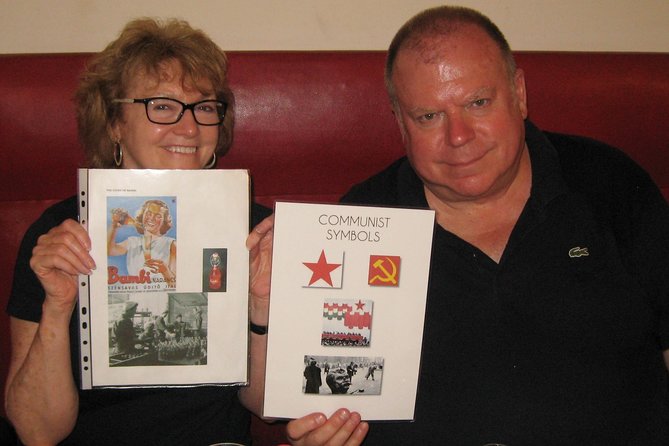
The other standout is the café stop at Bambi Presszó. It’s described as a last stronghold of communist culture, and even if you’re not a museum person, you’ll likely appreciate the setting for what it represents: a place where history feels close enough to touch.
You can also read our reviews of more tours and experiences in Budapest.



Liberty Square: start with the Soviet army memorial
Most tours ease you in. This one doesn’t. It begins at Liberty Square, where you look at the memorial to the Soviet army tied to the Siege of Budapest—about a 50-day encirclement in the late stages of World War II.
This first stop matters because it frames the entire walk. It’s grand, deliberate, and political. You’ll learn what the memorial tries to communicate, and then you’ll keep walking with that lens as the city’s meaning shifts from imposed order to Hungarian unrest.
If you’re the type who likes asking questions early, this is a good moment to do it. The guide can set context quickly, which makes the later 1956 material feel less like a history lecture.
Szabadság tér: why big spaces can feel like a strategy
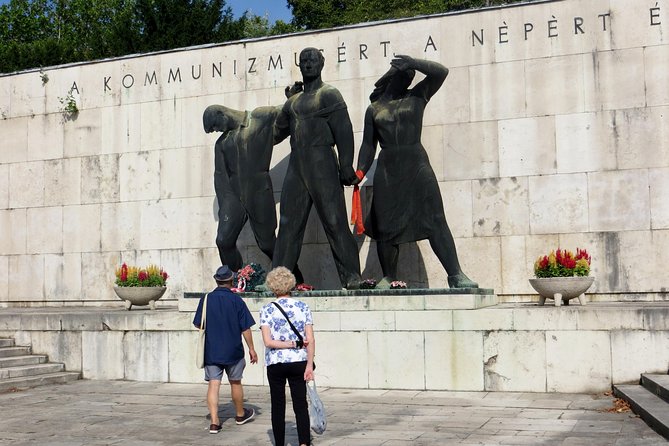
Next comes Szabadság tér, one of the broad, stately squares in central Budapest. The open green space is easy to enjoy, and the tour uses that calm setting to talk about how cities get shaped by earlier power systems. The square’s dimensions relate back to the Habsburg era, when buildings like the Bastille-like Újépület stood in the area.
This stop is a reminder that politics affects more than laws. It affects how far apart buildings sit, where crowds gather, and how a city guides your eye. You get a moment to breathe, but you’re also learning how rulers think about space.
Kossuth Square and the Hungarian parliament during 1956
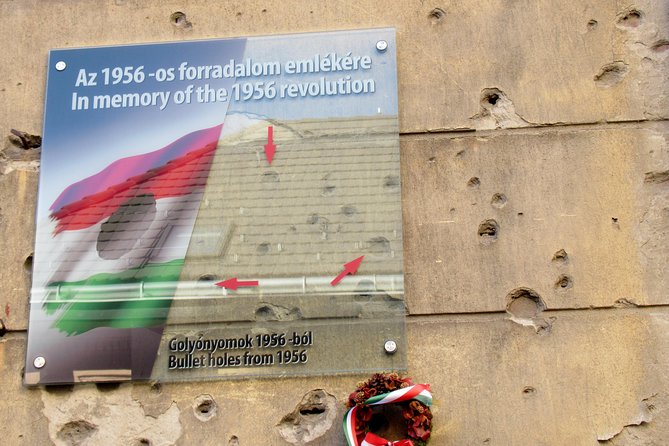
At Kossuth Square, you’re in the gravitational field of Hungarian national politics: the Hungarian parliament building. The square is renamed in honor of Lajos Kossuth, and the tour connects the space to the 1956 revolution.
You’ll hear about the firefight that began in front of the parliament building during the uprising, and how the death toll is still not pinned down. You also get the human detail: the crowd involved a mix of civilians—men, women, children, and the elderly.
This part is where the tour turns from monument viewing into story and stakes. It’s also where you’ll likely feel the importance of listening, not just seeing. If your priority is atmosphere, you’ll enjoy how the guide brings the crowd dynamics to life in a practical way—like explaining what kind of moment a square like that would hold.
Parliament area quick hits: names, neighbors, and context
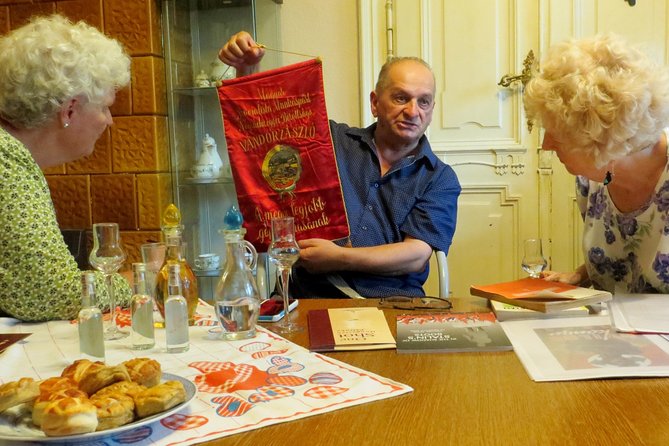
In front of the parliament building, you also pass or look toward key neighbors like the Museum of Ethnography and the Ministry of Agriculture. Even though these are not the main targets, they help the area feel like a working civic center rather than a single photo spot.
The parliament ticket part is listed as free, so there’s less friction if you want to spend a moment absorbing the setting. The main value here is the narration around 1927 naming and the way different periods layer on top of one another.



Petőfi Statue and Március 15. Square: a social scene, not just a landmark
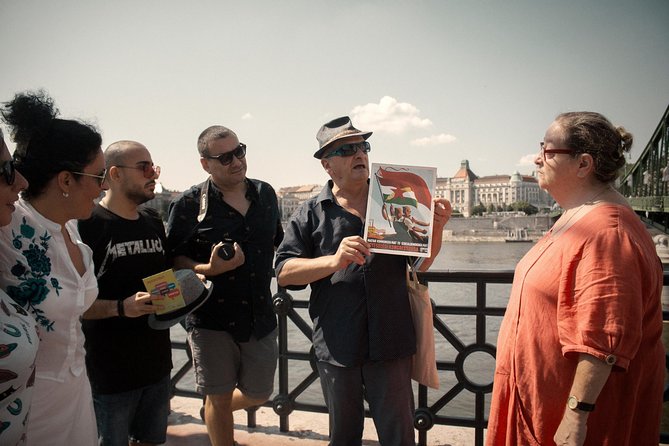
From there, the tour shifts to Petőfi Statue at Március 15. Square, by the foot of Erzsébet Bridge and near the oldest church of Budapest.
One of the most useful things about this stop is its dual role. It isn’t only a historical marker. With renovations in 2011, the area became a popular scene of social life. That means you can look at history while still seeing how the city actually behaves today.
If you want a photo spot that doesn’t feel staged, this is often a good bet. But the bigger point is how the guide frames public history as something people live alongside, not just something they visit once.
Corvin köz: where 1956 resistance turned personal
Corvin köz is next, and it’s one of the tour’s most striking locations. The area was a major resistance center during the 1956 uprising, when local youngsters fought invading Russians using Molotov cocktails and guns they stole from soldiers to fight against Soviet tanks.
The tour looks at reminders of those battles. That means you’re not only learning tactics from a textbook. You’re seeing why this spot became part of the city’s memory. The guide talks through the invasion of 1956 and what followed afterward, so the story doesn’t stop at the moment of resistance.
Practical tip: if you’re hoping to understand the timeline clearly, ask the guide to connect Corvin köz back to the earlier squares. It’s the kind of tour where the chronology clicks faster when you make that link out loud.
Crossing toward Gellért Hill: the city’s “lookout” lesson
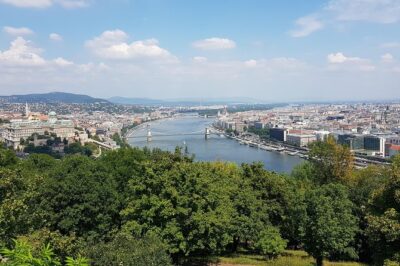
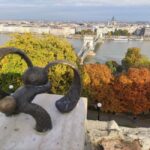
You then walk across one of Budapest’s most beautiful bridges to reach the foot of Gellért hill. This is a smart pacing move. After a heavier, resistance-focused stop, the bridge walk gives you breathing room while still keeping the story moving.
Then you arrive at St Gellért Square, named after Bishop St Gellért, also called the Martyr for Hungarian Christendom. And now you get the payoff viewpoint: an excellent view of the Liberty statue, erected in 1947 to commemorate Soviet liberation of Hungary.
That detail matters because it complicates easy storytelling. Liberty, for some, was Soviet liberation. For others, it was the start of another kind of control. You’ll likely appreciate how the tour doesn’t flatten that tension.
Bambi Presszó café stop: coffee with a political undertone
The highlights mention sipping coffee at Bambi Presszó, described as the last stronghold of communist culture. This stop works because it’s not pretending to be neutral.
Instead of treating communist-era references as museum artifacts, the tour uses a café environment to make the past feel present. It’s also a good moment to ask follow-up questions in a calmer setting than a busy square.
One caution: the tour data says additional food and drink aren’t included. So plan for the planned coffee, but if you want extra snacks, budget for them.
Optional add-on: Memento Park for the statues that survived
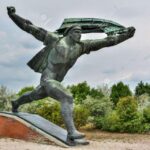
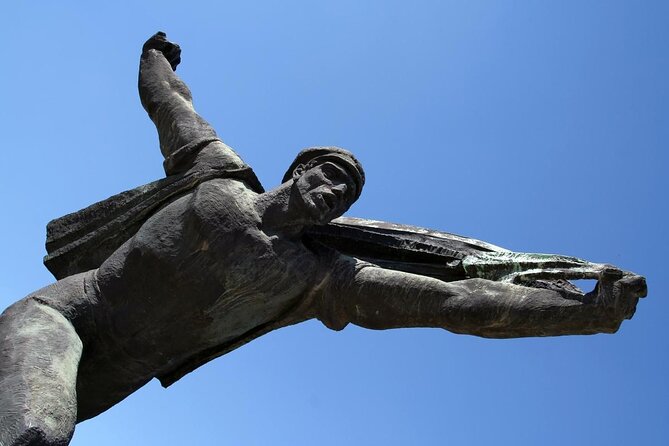
If you choose the Memento Park option, you get about 1 hour at the site, and admission is included. Memento Park matters because it’s not a typical “war memorial.” It’s a curated decision made after the communist collapse.
When communism fell in Hungary in 1989, Budapest still had many public artworks celebrating the era. Instead of destroying them, the city decided in 1993 to save the statues, leading to the idea for Memento Park. That’s a powerful theme for the walking tour you already did: what you erase, what you keep, and why.
This option is a strong match if you like visual history and if you want an answer to the question: what happens to communist symbolism after the system ends?
Optional add-on: House of Terror for the museum experience
If you choose the House of Terror, you spend about 1 hour, with admission included. This museum is connected to the architecture of trauma: during renovation, the building was fully renovated inside and out, and the exterior was made into a kind of monument with a stark black framing.
The museum’s exterior design is tied to architects János Sándor and Kálmán Újszászy, and inside you’ll find a T-54 tank on display. The tank detail is especially useful because it shifts your focus from ideology to machinery—how power shows itself physically.
Go here if you want more of a concentrated indoor experience. It tends to feel darker, and it can run a bit long depending on your guide’s pacing and your questions in the galleries.
Price and logistics: what you’re paying for, and what to watch
The price is $280.33 per group (up to 5), and it’s booked fairly far in advance, on average 28 days ahead. That group pricing is important. If you travel as a small group, private time with a guide can feel like good value. If you’re solo or just two people, you’ll want to compare it to other guided options—but the core advantage is that you’re not sharing the narration.
Also note the tour includes a local guide, informative handouts, and entrance tickets for the visit options you choose. That helps prevent the annoying add-on surprises that some tours suffer from.
Still, there are a few practical things to confirm:
- The tour highlights a coffee stop, but additional food and drink aren’t listed as included.
- The tour summary says pickup offered, yet the details also say hotel pickup and drop-off isn’t included. I’d treat pickup as something to confirm during booking.
- The tour is a private group format, so your guide’s pace is more flexible. That’s good, but it can also mean the day runs a bit longer if the group has lots of questions or if you choose the museum add-on.
One more thing: one part of the experience depends heavily on your guide’s delivery. Some people love the guide’s energy and clarity. If you’re sensitive to soft spoken narration, bring that up at the start by asking if you can hear well and encouraging questions when something is unclear.
Who should book this Budapest communist-era walk
This tour is a good fit if you:
- Want a street-level way to understand Soviet influence and Hungarian resistance, especially around 1956
- Like walking tours where the guide explains how place names and monuments carry meaning
- Prefer a small group format where you can ask questions, including in a café setting
- Might enjoy either side of history: outdoor memorials and squares, plus optional museum stops
It may not be your best choice if you:
- Want a super casual sightseeing loop with minimal narrative
- Get frustrated when historical stories include uncomfortable details and political ambiguity
- Need long, self-paced museum time without guidance adjustments
There’s also a note for practical readiness: the tour calls for moderate physical fitness and the route is near public transportation. If you’re confident on your feet for a walking route, you’re likely fine.
Should you book it?
I think you should book this tour if you want Budapest that feels more than postcard-deep. The strength is the way the guide uses squares—Liberty Square, Szabadság tér, Kossuth Square, and beyond—to show how communist power was staged, resisted, and remembered.
Choose Memento Park if you want the symbol-and-statue side of post-1989 reality. Choose House of Terror if you want a more intense museum experience with strong visual reminders like the T-54 tank.
One smart move before you go: decide what you want most—outdoor story focus, statue symbolism, or museum intensity—and tell your guide early. In a small group tour, that can genuinely steer how satisfying the hours feel.
FAQ
How long is the Budapest communist-era walking tour?
The tour lasts about 3 hours (approx.), with the optional add-ons lasting about 1 hour each if you choose them.
Is the tour private?
Yes. It’s listed as a private tour/activity, so only your group participates.
What language is the tour offered in?
The tour is offered in English.
What if I want the House of Terror or Memento Park?
You can choose either option. Memento Park includes admission for that visit, and House of Terror also includes admission for that visit. The base tour still covers the walking stops.
Is the coffee stop included?
The tour highlights include sipping coffee at Bambi Presszó. The details also say additional food and drink aren’t included, so you should expect the planned coffee stop, but budget for extra items if you want them.
Are entrance tickets included?
Entrance tickets are included for the visit options that are chosen. The tour data also notes that entrance tickets not listed are not included.
What’s the physical requirement?
The experience notes moderate physical fitness. It’s also described as near public transportation, which can help if you need to adjust your plan. Children must be accompanied by an adult.
If you want, tell me your group size and whether you’re leaning toward Memento Park or House of Terror, and I’ll help you pick the best option for your interests and pace.