REVIEW · BIKE TOURS
Budapest Historic Downtown Bicycle Tour in small groups
Book on Viator →Operated by BIKE & RELAX - Bike Tours and Bike Rental · Bookable on Viator
Budapest reveals itself fast from a bike seat. This historic downtown ride strings together major landmarks with guide-led context, from the grand façades of Andrássy Avenue to riverbank memorials and the Jewish Quarter. I like the fact that you cover so much ground in just about 3.5 hours, and the route keeps the storytelling clear and practical for a first visit.
What really makes this tour feel worth the money is the combination of a live guide and a small group size (maximum 10). You also get useful basics like a working bicycle, helmet (optional), bottled water, and free luggage storage while you’re out sightseeing. One possible drawback: it’s not ideal for brand-new riders, and traffic can feel intense in spots if you’re expecting a totally effortless commute.
In This Review
- Key things to know before you ride
- Getting Set Up at Bike & Relax
- Rumbach Street Synagogue to Liszt Academy: the Jewish District’s art and music
- What to watch for
- Andrássy Avenue and the House of Terror: power, propaganda, and a sobering pause
- A practical note
- Heroes’ Square: a national timeline you can see at a glance
- City Park by Bike: seasonal ice skating, boating, and big-city leisure
- The two “wow” stops here: Vajdahunyad Castle and modern culture
- The Opera and St. Stephen’s Basilica: UNESCO grandeur, right-hand relic, and no inside detour
- Why skipping the inside works here
- Szabadság tér and the Parliament: memorial memory and a Danube-backed must-see
- Timing reality check
- Shoes on the Danube Bank, Chain Bridge, and the riverfront memorial sweep
- Baths and bridges on the Buda side: Rudas, Gellért, and Liberty Bridge views
- Central Market area and the Jewish Quarter finale: food instincts and moorish architecture
- Price and value: why $41.13 can work for a first-timer
- Who should book this bike tour (and who should skip it)
- Should you book this Budapest Historic Downtown Bicycle Tour?
- FAQ
- What’s included in the Budapest Historic Downtown Bicycle Tour?
- Are entrance tickets included for museums and churches?
- How long is the tour, and when does it start?
- How big is the group?
- Is it okay for beginners?
- What happens if weather is bad?
Key things to know before you ride
- Small-group feel: maximum 10 travelers, so you’re not just a number in a crowd.
- Safety and pacing matter: guides actively manage the group and keep things moving without rushing.
- You see the icons from the outside: no building entries, but you still get the big-name sights.
- History lessons you can picture: the narration connects sites across eras, not just dates on a wall.
- A mix of Budapest styles: art deco synagogues, UNESCO-protected avenues, parliamentary grandeur, and memorials.
- City Park + modern culture: you’re not stuck only in the old-city core.
Getting Set Up at Bike & Relax
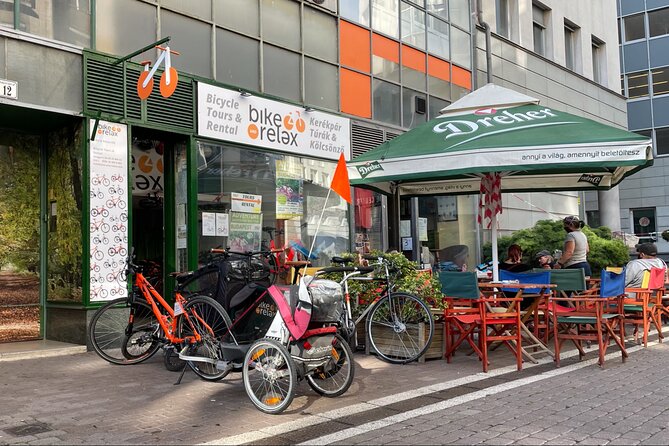
The tour starts at Madách Imre út 12 at 10:30 am, and it begins with a quick check-in at Bike & Relax. You’ll get your bicycle, the helmet setup, and instructions for how the ride will work. You also get free luggage storage, which is a bigger deal than it sounds. Budapest can be lively in the center, and it’s nice not to drag bags from stop to stop.
From the start, the vibe is geared toward motion without chaos. This isn’t a slow stroll where you wait for every photo. It’s a guided circuit where you’re expected to pedal, stop briefly, and then roll on. That approach is exactly why you can fit so many top sights into one half-day.
You can also read our reviews of more historical tours in Budapest


Rumbach Street Synagogue to Liszt Academy: the Jewish District’s art and music
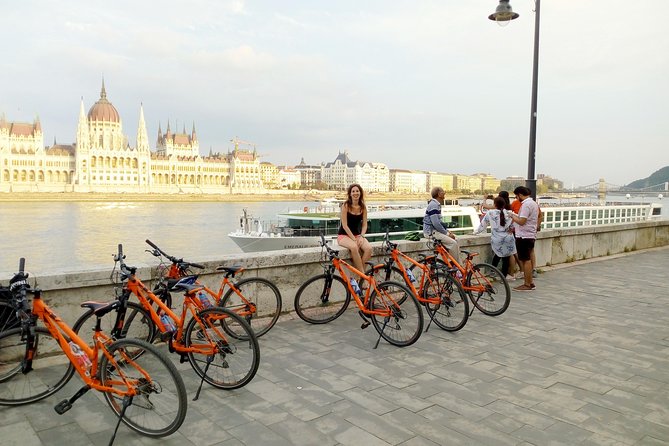
Right away you get a side of Budapest that feels different from postcard downtown. First up is the Rumbach Street Synagogue area, where you’ll notice both street art and the art deco Rumbach Synagogue. There’s no entry on this tour, so think of this as a “look closely” stop. You’ll get a sense of how the neighborhood’s visual identity mixes history and street-level creativity.
Then you roll to the Liszt Academy area. It’s an architecture-and-attitude kind of stop: the music academy building sits next to the Jewish Quarter, and the point is to understand how Budapest treats culture as part of daily life. You’ll also hear about the role of classical music here, plus the idea that this is an active place for students and performances.
What to watch for
This is a good section to pay attention to street layout and wayfinding. Budapest’s neighborhoods don’t always feel like clean museum zones; they’re real city spaces. If you’re comfortable navigating busy corners, you’ll enjoy this part more.
Andrássy Avenue and the House of Terror: power, propaganda, and a sobering pause
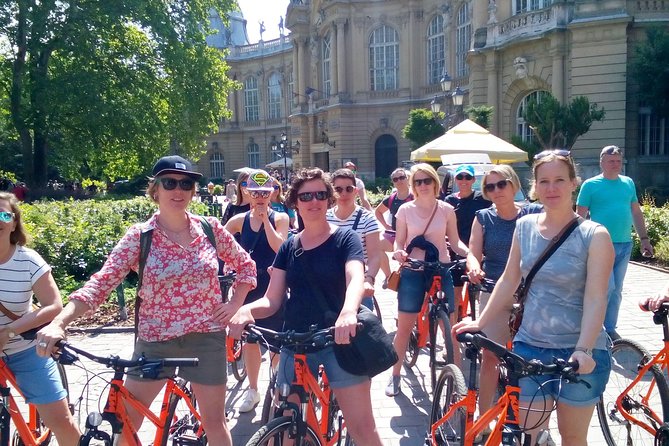
At this stage you enter a stretch that feels like Budapest’s grand stage: the route passes through the area tied to Andrássy Avenue, including what’s often called the Broadway of Budapest (Nagymező street) and the route that links the city center toward Heroes’ Square. You’ll also pass major junction points and areas associated with the House of Terror.
The House of Terror stop is one of the most emotionally loaded stops on the ride, and you’ll be glad the tour gives it a quick, focused moment. The building served as former GESTAPO headquarters and later as a communist-era prison, and there’s a part of the Berlin Wall displayed in front. Importantly, you won’t enter the museum, so you’re not getting a full inside exhibit. You are, however, getting a direct context stop that helps the rest of the tour make more sense.
A practical note
Because this is a quick stop and the tour is timed, you won’t have long for deep reading. If you know you want the full museum experience, plan to return later with your own time.






Heroes’ Square: a national timeline you can see at a glance
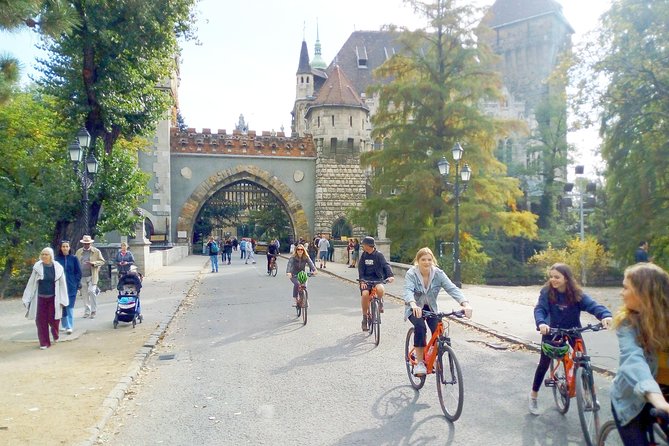
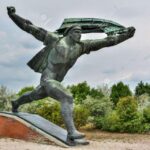
Next comes Heroes’ Square, and it’s designed like a history lesson. The square was built to celebrate the 1000-year anniversary of Hungary in 1896, and the layout gives you a shortcut to Central European history in one place.
The guide connects the symbols to major figures from King Stephen through revolutionary Lajos Kossuth. Even if you’ve never studied Hungarian history, this is one of those stops where you instantly get the idea: Budapest isn’t just pretty buildings. It’s also memory, nation-building, and political shifts you can physically walk around.
You’ll have about 15 minutes here, which is enough time to orient yourself, take photos, and absorb the big-picture story.
City Park by Bike: seasonal ice skating, boating, and big-city leisure
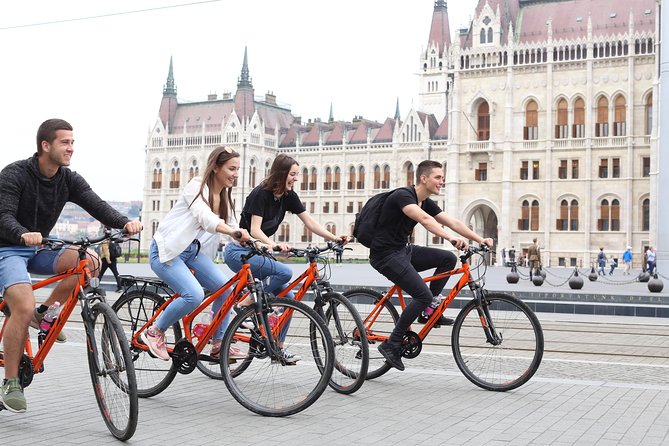
Cycling onward, you enter City Park (Varosliget), where the atmosphere shifts from monumental architecture to open space. In winter, you’ll pass the City Park ice rink—described as one of Europe’s famous rings for skating. In summer, it’s an artificial lake that invites a boat trip.
Even though the tour keeps the stops short, this part matters because it breaks up the intense history and street architecture with something more breathable. City Park covers roughly one square kilometer, and it’s popular for recreation and sport, even though it’s undergoing some redesign.
The two “wow” stops here: Vajdahunyad Castle and modern culture
You’ll stop at Vajdahunyad Castle, which is often described as a fake castle. That’s exactly the point. It’s an architectural idea presented for effect—fun to see, interesting to experience, and it includes the statue of Anonymous. This is the kind of stop where a good guide helps you understand why the structure exists in the form it does.
Then you get modern architecture without the long walking detour. You’ll see the House of Music Hungary, a contemporary concert hall design, and the Museum of Ethnography with its distinctive shape and views from the park edge. The tour treats these as quick architectural markers—perfect if you want variety without turning this into a full museum day.
The Opera and St. Stephen’s Basilica: UNESCO grandeur, right-hand relic, and no inside detour
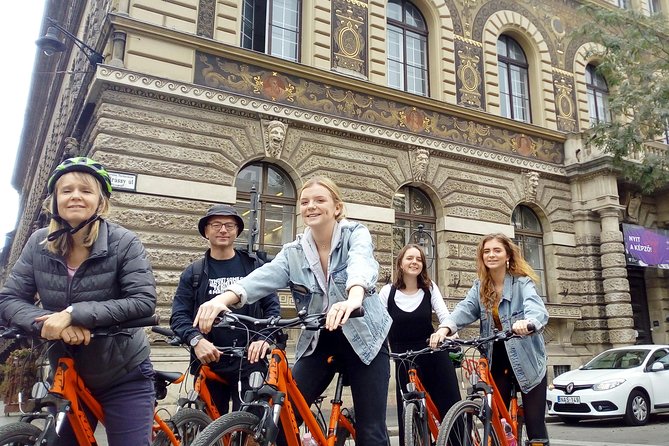
Back toward the city core, you’ll hit Andrássy Avenue again through the architecture-focused stops, including the Hungarian State Opera. The building is linked to architect Michael Ybl and sits right where you get that grand boulevards feeling Budapest is famous for. You’ll also hear that the Andrássy Avenue ensemble is UNESCO-protected—and you’ll learn how the late-19th-century architectural styles connect to the historic M1 subway line.
Then you move to St. Stephen’s Basilica (Szent Istvan Bazilika), described as the largest Catholic church in Budapest. Even though you won’t go inside, the highlight is still visible as part of the design: the right hand of St. Stephen is shown under glass. The tour frames this as one of downtown’s strong visual anchors, and it really is—especially after all the river-and-park cycling.
Why skipping the inside works here
Because the tour doesn’t enter buildings, the guide spends the time on the exterior clues: proportions, features, and how these sites fit into Budapest’s bigger narrative. If you love architecture, you’ll get a lot out of this format.
Szabadság tér and the Parliament: memorial memory and a Danube-backed must-see
Szabadság tér is a quick stop but heavy in meaning. The area is described with an edge: it’s sometimes called the Wall Street of Budapest, and it’s also connected to bloody history, including Holocaust and World War II remembrance. You’ll see at least one controversial memorial, which is a reminder that public history isn’t always neat or comfortable. This stop is worth taking a minute to really look, not just to pass through.
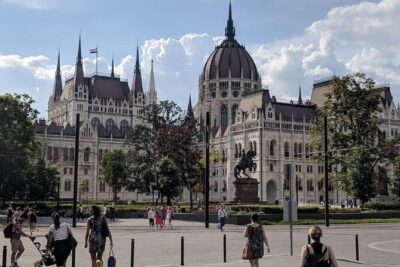
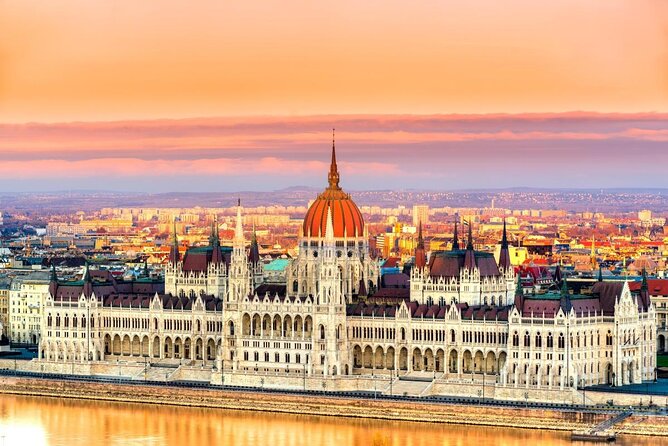
Then comes Hungarian Parliament Building, an operational political landmark on the river bank. You won’t enter, but you will get the classic wow factor from the outside—plus the viewpoint angle for the Danube panorama and the look back toward Buda.
Timing reality check
Because this is a bike tour, the Parliament stop isn’t a long photo session. Still, it’s one of those places where 10 minutes can be enough if you’re okay with capturing key angles and moving on.
Shoes on the Danube Bank, Chain Bridge, and the riverfront memorial sweep
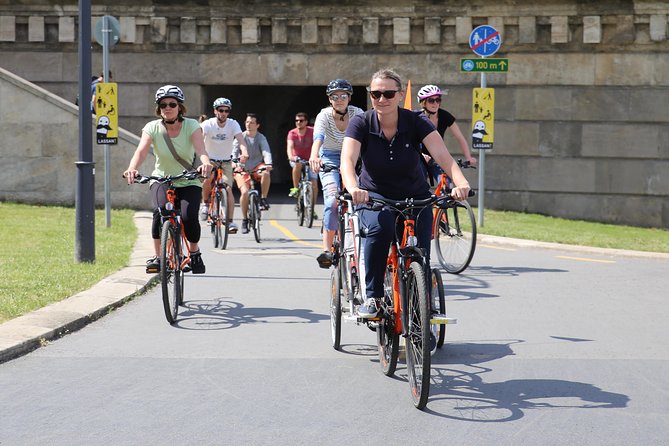
You’ll pass the Shoes on the Danube Bank memorial next to Parliament. This is one of Budapest’s most discussed sites because it’s simple and brutally direct. The tour notes an access limitation: depending on traffic, you might not have direct access to the memorial viewing point.
Right after that, you’ll pass the Chain Bridge, which ties the river together visually and historically. Even if you don’t stop long here, it helps you understand the geography of the city—how Buda and Pest relate through bridges and promenades.
Baths and bridges on the Buda side: Rudas, Gellért, and Liberty Bridge views
As you ride along the river, you’ll pass Rudas Baths, described as one of Budapest’s oldest Turkish baths. If you want to soak, you’ll need to check the opening schedule, including that it runs on man-and-woman days for the hammam. Even if you’re not planning to bath this trip, it’s a great context stop because it shows Budapest’s thermal culture isn’t just a novelty—it’s part of how locals use the city.
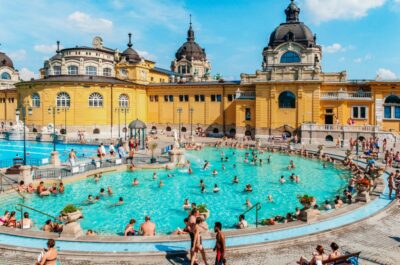
The tour also includes a final Buda-side riverbank reference to Gellért Baths, known for its art deco style dominating the river bank.
Then you cross to Liberty Bridge (Szabadság hid). The bridge used to be named after Austrian Emperor Franz Joseph, then later became Liberty Bridge after the monarchy ended. The tour also frames the bridge as a popular meeting point for students and young people, which matches the feel you get when you see where people linger for views and photos.
Central Market area and the Jewish Quarter finale: food instincts and moorish architecture
On the return ride, you’ll pass the Central Market, and the tour basically tells you what to do: make this your food stop later. That’s solid advice because your tour ends back near where you started, and the market area is the sort of place you’ll want time to browse and eat without a timer.
You’ll also pass the National Museum area if you’re interested in the region’s wider story, including the peoples who lived here. Again, no entry planned on this tour, but it’s a helpful pointer toward what to explore next.
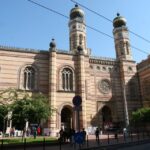
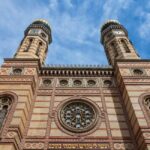
Finally, you’ll stop to see the Great/Central Synagogue (Nagy Zsinagoga) at the border of the Jewish Quarter. You’ll admire its moorish style from the outside, but you won’t enter. From there, the ride heads back to your starting point.
Price and value: why $41.13 can work for a first-timer
At $41.13 per person for about 3.5 hours, the value comes from what you’re not doing. You’re not spending a big day walking across multiple districts under Budapest weather. Instead, you’re using a bicycle with a guide to stitch together the city’s biggest names and key themes.
You also get:
- Use of the bicycle
- Live guide commentary
- Helmet (optional)
- Bottled water
- Free luggage storage
The other value lever is the format. Because you don’t go inside museums or major buildings, you avoid entry fees and time drains. You still get the major exteriors, plus the narrative glue that helps you decide what deserves a second visit later.
Who should book this bike tour (and who should skip it)
This tour fits you if:
- you want a first-visit overview
- you’re comfortable riding a bike and following a guide through city traffic
- you like history that connects across neighborhoods, not history read from a brochure
- you want to move efficiently without turning your day into a sprint
It may not fit if:
- you’re a beginner or not fully confident in bike lanes
- you have visual impairment, since the route and street environment aren’t described as being adapted
- you want lots of interior time in churches and museums, since no buildings are entered
Also keep in mind the tour operates with a weight limit of 110 kg, and children must ride with an adult.
Should you book this Budapest Historic Downtown Bicycle Tour?
Yes, if you’re traveling to Budapest for the first time and you want a smart, efficient way to hit the headline sights without wasting half your day walking. The best part isn’t just the list of stops—it’s how the ride connects big monuments (like Heroes’ Square and Parliament) with the darker context (like House of Terror and the Shoes on the Danube Bank) in a way that feels manageable for a single afternoon.
If you’re the type who likes long museum time or you’re not confident on a bike yet, you’ll likely be happier with a walking or transit-based plan, or booking time for specific sites separately.
FAQ
What’s included in the Budapest Historic Downtown Bicycle Tour?
You get a bicycle, a live guide, bottled water, and free luggage storage during the tour. A helmet is provided as well, though it’s not obligatory.
Are entrance tickets included for museums and churches?
No. The tour does not offer entry into buildings, so you should plan on exterior viewing only.
How long is the tour, and when does it start?
The tour runs about 3 hours 30 minutes and starts at 10:30 am.
How big is the group?
The tour has a maximum group size of 10 travelers, keeping it small and easier for the guide to manage.
Is it okay for beginners?
It’s not recommended for beginners, since the ride depends on you being comfortable cycling in the city environment.
What happens if weather is bad?
The tour requires good weather. If it’s canceled due to poor weather, you’ll be offered a different date or a full refund.