REVIEW · BUDAPEST
Budapest: Aeropark Admission Ticket
Book on GetYourGuide →Operated by Légiközlekedési Kulturális Központ · Bookable on GetYourGuide
Cockpits are better than postcards. At the Aeropark in Vecsés, you can walk among real aircraft and trace 60 years of Hungarian aviation without needing a technical degree.
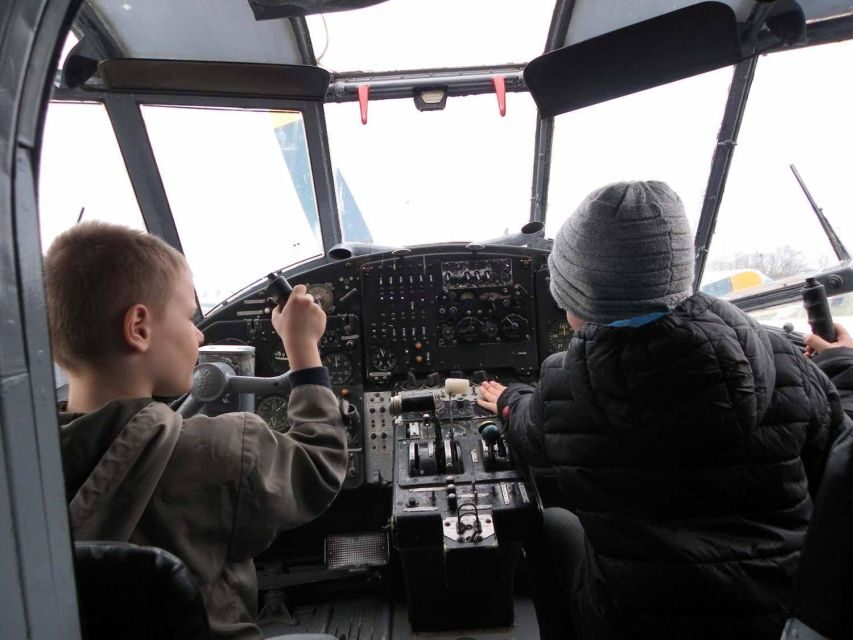
I love the way this place turns museum time into hands-on time. The biggest payoff for me is the cockpit moment: you climb the stairs into the pilot seat and do that playful across-the-world flying experience.
One catch: if the flight simulator matters to you, it only runs on Saturday and Sunday, and there’s an extra €2 charge.
In This Review
- Key highlights worth your ticket
- Where the Vecsés Aeropark fits near Budapest
- Arrival at Repülőmúzeum: what the outdoor museum gives you
- 60 years of Hungarian aviation: Malév, technology, and science
- The hands-on cockpit moment: pretending to be the pilot
- Guided tour with a pilot: what you get from flying anecdotes
- The simulator add-on: what to know before you plan it
- Price and value: why $9 makes sense for what you get
- Tips for planning your Aeropark visit smoothly
- Who this experience is best for
- Should you book the Budapest Aeropark admission ticket?
- FAQ
- How long is the Aeropark visit?
- Where is the meeting point?
- How much does the ticket cost?
- How do I get there by public transport?
- Is the ticket wheelchair accessible?
- What is included with the admission ticket?
- What is not included?
- Can I take a guided tour?
- When is the flight simulator available?
- Is there an extra cost for the simulator?
Key highlights worth your ticket
- Open-air Aeropark setting: you stroll through an outdoor airplane museum instead of staring through glass.
- Big aircraft from the communist era: the collection leans heavily into the largest planes from that period.
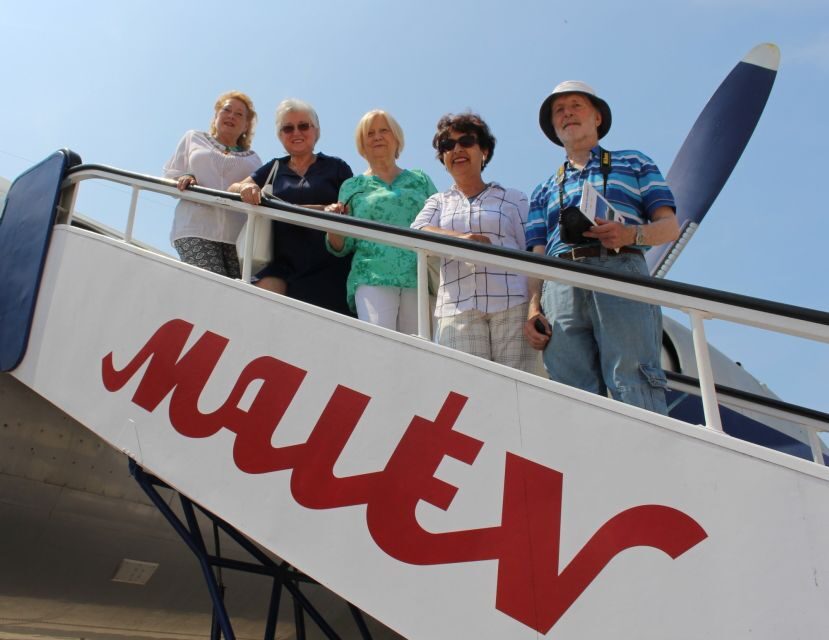
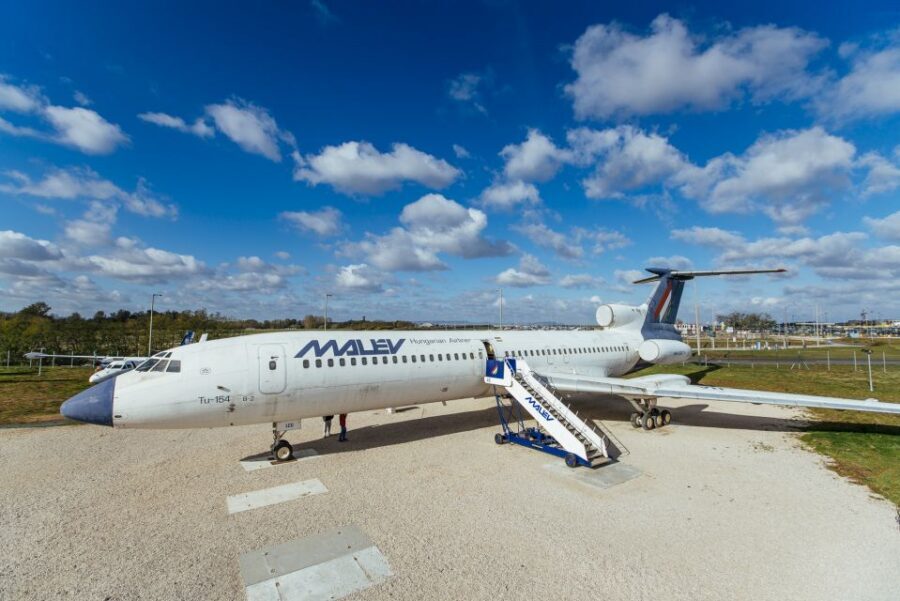
- Malév aircraft and the aviation story of Hungary: you’ll see the former national airline’s planes, including Tupolevs that still fly today.
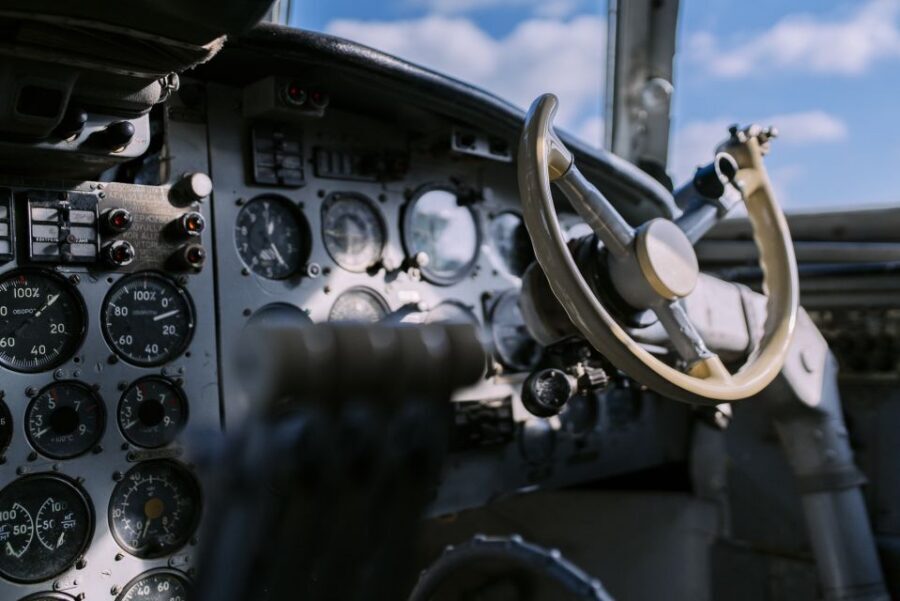
- Cockpit access that feels like a role-play: stairs up, pilot seat time, and a pretend globe-crossing flight.
- Guided tour with a pilot option: you can choose a guided format where a pilot shares real anecdotes from their flying days.
- Simulator only on weekends: it’s a small add-on, not something you should plan around on weekdays.
Where the Vecsés Aeropark fits near Budapest
This isn’t a long, full-day “big city” attraction, and that’s part of its charm. The admission ticket is timed for about 1.5 hours, which makes it a smart choice when you want something different from the usual Budapest sights.
Also, location matters here. The meeting point is Vecsés, Repülőmúzeum (2220 Hungary), which is convenient if you’re already passing toward Budapest Airport. If you’re using public transport, take bus 200E all the way to the terminus (Budapest Airport Terminal 2B), stay on the bus, and get off at the first stop after the terminus: Repülőmúzeum. That straight shot saves you from stitching together multiple local connections.
For value, I like that the ticket is simple: you pay for admission, then spend your time in the exhibits and open-air collection. There’s no requirement to buy extra add-ons to get a satisfying visit.
You can also read our reviews of more tours and experiences in Budapest



Arrival at Repülőmúzeum: what the outdoor museum gives you
When you arrive at Repülőmúzeum, the experience is built around an outdoor walk through aviation history. This is the type of museum where you’re not stuck inside a building with distant displays. Instead, you move from plane to plane in an open-air Aeropark, getting closer to aircraft than most indoor museums allow.
That outdoor layout changes how you understand the aviation objects. You don’t just see shapes, you start to register scale. The “largest airplanes of the communist era” idea stops being abstract and turns into a real, physical impression once you’re standing next to them.
Practical tip: wear comfortable shoes. Even if the visit is only 1.5 hours, you’re walking around aircraft and through exhibit areas, often with steps and changing ground surfaces.
60 years of Hungarian aviation: Malév, technology, and science
The core theme is Hungarian aviation over the past 60 years. That gives the visit a narrative arc instead of being a random pile of aircraft.
You’ll learn about:
- How planes and aviation technology evolved
- The science behind flight and aviation systems
- What flying looked like when it was still a luxury for many
I particularly like that the museum doesn’t treat aviation as pure spectacle. It frames flying as a mix of engineering, physics, and human experience. Even if you don’t read every technical label, the interactive approach helps you connect the dots.
One of the most interesting parts is the mix of aircraft tied to Hungary’s former national airline, Malév. The museum includes Tupolevs connected to that legacy, including models that still fly today. That detail helps you make a bridge between Cold War-era aviation and the real aircraft world that continues beyond the museum fence.
If you enjoy seeing how politics, industry, and engineering intersect, this is a satisfying angle. The collection is rooted in Hungary’s air history, but it also reflects the broader aircraft ecosystem of the region during the communist era.
The hands-on cockpit moment: pretending to be the pilot
This is where the Aeropark becomes more than a history stop.
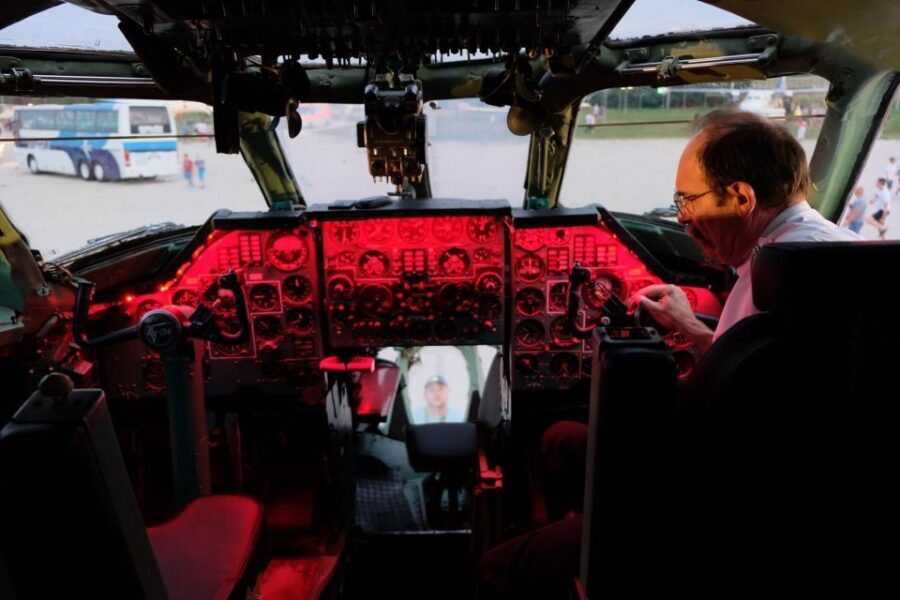
The museum experience invites you to climb into the cockpit and take a seat as if you’re the pilot. That physical action matters. You instantly get a feel for the cockpit layout and the sense of scale inside the aircraft, even without a deep technical explanation.
There’s also a playful component: after you’re seated, you’ll do a pretend flight across an imaginary globe. That may sound simple, but it’s a smart way to turn “looking at aviation” into “feeling like you understand aviation,” at least at a basic human level.
If you’re traveling with kids, this is often the part that makes everyone loosen up. Even adults who start out a bit skeptical usually find themselves leaning in—partly because it breaks up the museum pace, and partly because it’s a memorable photo moment that actually involves being inside the aircraft.
Guided tour with a pilot: what you get from flying anecdotes
The guided option with a pilot changes the tone of the visit. Instead of relying only on labels, you get a real aviator perspective.
The pilot guide is described as someone who has flown the planes on display, and the experience includes anecdotes from their days in the air. That’s valuable because it turns static information into lived context. You start to understand what parts of the aircraft really matter in operation, not just design.
If you’re the kind of person who loves story-driven learning—especially about aviation—this is worth considering. It’s also a good choice when you’re visiting with someone who’s curious but not necessarily a museum reader. A good pilot can make the technical side feel human and clear.





The simulator add-on: what to know before you plan it
The flight simulator is extra and only runs on weekends (Saturday and Sunday). It also has an additional charge of €2.
So here’s the practical way to think about it:
- If you’re visiting on a weekday, build your plans assuming no simulator.
- If you’re going on Saturday or Sunday and want that extra “wow” factor, leave room in your schedule for it.
The simulator can be a bonus, but it isn’t the foundation of the ticket. The foundation is the open-air Aeropark and the cockpit time.
Price and value: why $9 makes sense for what you get
At $9 per person, this ticket is easy to justify for a 1.5-hour experience with real aircraft, cockpit access, and interactive exhibits. Many museums at similar prices may offer good displays, but they often lack one or more of the key ingredients here: outdoor aircraft access and a hands-on cockpit moment.
Also, you’re not committing to a full day. That matters in Budapest, where you’ll likely mix museum time with walking, viewpoints, and river time. A short, focused attraction can be a relief rather than a burden.
Where the value gets even better: you can upgrade the experience by choosing a guided tour with a pilot. Even without knowing the exact price of that upgrade, the logic is straightforward. When someone adds actual flying stories and ties the exhibits to real aircraft experience, you’re paying for context, not just entry.
One note: since the simulator costs extra and runs only on weekends, treat it like a bonus add-on. Your core value stands on its own with admission.
Tips for planning your Aeropark visit smoothly
A few practical ideas will help you get the most out of the Repülőmúzeum experience:
- Aim for an unhurried 1.5 hours. The time is short, but you’ll enjoy it more if you slow down enough to look closely at the aircraft.
- Wear shoes that can handle steps and uneven outdoor areas. The cockpit climbing part makes footwear matter.
- If you want the guided pilot option, decide early. That choice affects how you experience the exhibits.
- If you’re on the simulator, go on Saturday or Sunday. That’s the only schedule window provided.
And if you’re coming from Budapest Airport by bus, the bus 200E route is simple. Just follow the instruction to get off at the Repülőmúzeum stop after the terminus at Terminal 2B.
Who this experience is best for
This ticket fits best for people who want hands-on learning with a strong aviation theme.
It’s a great match if you:
- Like aviation history and aircraft scale
- Want an outdoor museum you can actually walk through
- Prefer interactive exhibits over purely written information
- Are traveling with kids who respond well to cockpit play and real aircraft access
It’s also a good choice for adults who don’t want a textbook-style museum visit. The cockpit moment and the pilot-guided option provide the human link that makes the technical story easier to follow.
If you only want a big indoor art museum experience, this probably won’t replace that. But for a different kind of Budapest day, it’s a strong counterpoint.
Should you book the Budapest Aeropark admission ticket?
Book it if you want a short, satisfying airport-area activity that mixes open-air aircraft, cockpit access, and Hungarian aviation history in a way that doesn’t feel like homework.
Skip or rethink if you specifically want the simulator and you’re traveling on a weekday, since it’s weekend-only and costs an extra €2. Otherwise, for $9, the core experience holds up: you get the outdoor fleet, the interactive aviation learning, and the pilot-seat moment that makes the whole place memorable.
FAQ
How long is the Aeropark visit?
The admission ticket experience lasts about 1.5 hours.
Where is the meeting point?
The meeting point is Vecsés, Repülőmúzeum, 2220 Hungary.
How much does the ticket cost?
The price is $9 per person.
How do I get there by public transport?
Take bus 200E to the terminus at Budapest Airport Terminal 2B, stay on the bus, and get off at the first stop after the terminus called Repülőmúzeum.
Is the ticket wheelchair accessible?
Yes, it is wheelchair accessible.
What is included with the admission ticket?
The admission ticket is included. That covers entry to the museum experience.
What is not included?
Hotel pickup or drop-off is not included, and the flight simulator is not included.
Can I take a guided tour?
Yes. You can choose a guided tour with a pilot option.
When is the flight simulator available?
The flight simulator is only in service on weekends, Saturday and Sunday.
Is there an extra cost for the simulator?
Yes. The simulator costs an additional €2.