REVIEW · BUDAPEST
Life Under Communism with House of Terror or Statue Park
Book on GetYourGuide →Operated by FUNGARIAN · Bookable on GetYourGuide
Communism can feel close up, fast. This 3-hour experience takes you from the 1960s through the late 1980s with an interactive presentation and a real guided walk, starting at Bambi Eszpresszó. I especially liked how your guides tailor the tour to your interests and knowledge level, so it never turns into a lecture you’re forced to sit through.
I also liked the personal touch: the program is run by Annamaria and Miklós, and they bring the topic to life with an honest, back-and-forth style. You’ll get printed materials plus notebooks and pens, which makes it easier to follow along and keep key points straight while you’re moving around Budapest.
One drawback to consider: it’s not set up for mobility impairments, and the tour involves walking and standing for long stretches. If that’s a concern for you, plan carefully before booking, and wear shoes you’d trust for a few active hours.
In This Review
- Key Things I’d Bet On
- Life Under Communism in 3 Hours: What You’re Signing Up For
- Start at Bambi Eszpresszó: The 1980s Mood Before You Even Begin
- Annamaria and Miklós: Interactive Teaching That Stays Human
- House of Terror or Statue Park: Seeing the Remnants, Not Just the Story
- Every-Day Life in Budapest: How the System Shows Up in Routine
- A Route That Moves: Pickup, Shared Walk, and Public Transit Time
- Value and Pricing: What $282 per Group Buys You
- Who This Tour Fits Best (And Who Might Prefer Another Option)
- Practical Tips So You Get More Out of the 3 Hours
- Should You Book This Tour?
- FAQ
- How long is the tour?
- Where does the tour start?
- Is pickup included?
- Is this a private tour?
- What languages are available?
- What’s included in the price?
- Are food, drinks, or transportation included?
- Is the tour suitable for people with mobility impairments?
Key Things I’d Bet On
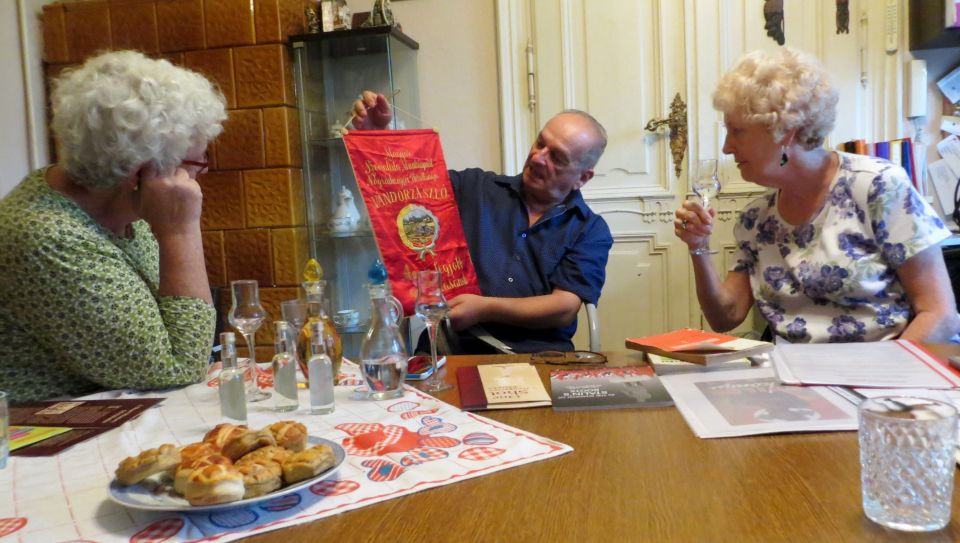
- Bambi Eszpresszó as your time-machine start point in the spirit of the 1980s
- Annamaria and Miklós guide you personally with room for questions and dialogue
- A clear look at how the system worked on multiple levels, not just slogans
- You may ride public transportation and see parts of Budapest you might skip
- Private group size (up to 5) keeps the pace human and the discussion open
- You leave with materials (printed handouts, notebooks, pens) to take notes
Life Under Communism in 3 Hours: What You’re Signing Up For
This isn’t a quick photo stop. It’s a guided, conversational session about how communist rule shaped everyday life in Budapest, from the 1960s to the late 1980s. The goal is simple: help you understand the system and then compare it to what you can still notice in the city today.
The format matters. You’re not just listening—you’re actively participating. The tour is described as interactive and personal, which is exactly what you want for a heavy topic like this. If you’ve ever wondered how big political decisions affect ordinary routines—work, daily permissions, social life—this is designed to answer that in plain language.
The session runs about 3 hours, and it’s structured for a small private group. That small size is a big part of the value, because it gives your guide space to adjust pacing and keep the discussion going instead of pushing everyone through the same script.
You can also read our reviews of more tours and experiences in Budapest.



Start at Bambi Eszpresszó: The 1980s Mood Before You Even Begin

Meeting at Bambi Eszpresszó is more than a convenience. It’s the tone-setter. This café is described as an emblematic meeting place of the 1980s, which makes a strong opening because you’re already in a setting tied to the period you’re studying.
Here’s why that first moment helps you as a traveler: you don’t start the story in a museum room. You start in an everyday-feeling place, which makes the later comparisons hit harder. Even if you don’t know Hungarian history well, the guide’s job becomes easier because you can mentally place yourself in a real social setting rather than only in political geography.
Also, it’s the kind of start that tends to keep people engaged. One of the standout themes from the guide feedback is how well the tour adapts to group interests, and starting at a recognizable meeting point creates natural entry points for questions.
Annamaria and Miklós: Interactive Teaching That Stays Human
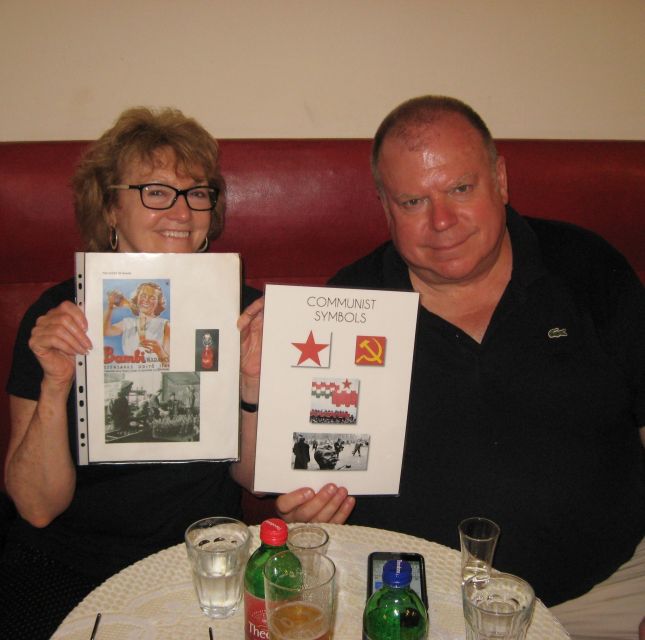
Your hosts—Annamaria and Miklós—run the experience as a guided conversation with practical storytelling. The tour description emphasizes multiple levels of the communist system and how it affected daily life, and the review comments point to how smoothly that information is delivered.
What I look for in guides on politically sensitive topics is balance and clarity. The reports here repeatedly mention a strong communication style, a chance for honest dialogue, and the ability to tailor the tour to the group. That’s a good sign, because you’ll learn more when the guide can adjust to your questions rather than forcing a one-way script.
You also get small but useful extras: printed materials, plus notebooks and pens. That’s not just a souvenir move. It supports the pace of an interactive presentation—so you can jot down names, themes, or questions as they come up. If you like to keep your trip notes organized, this kind of setup is genuinely helpful.
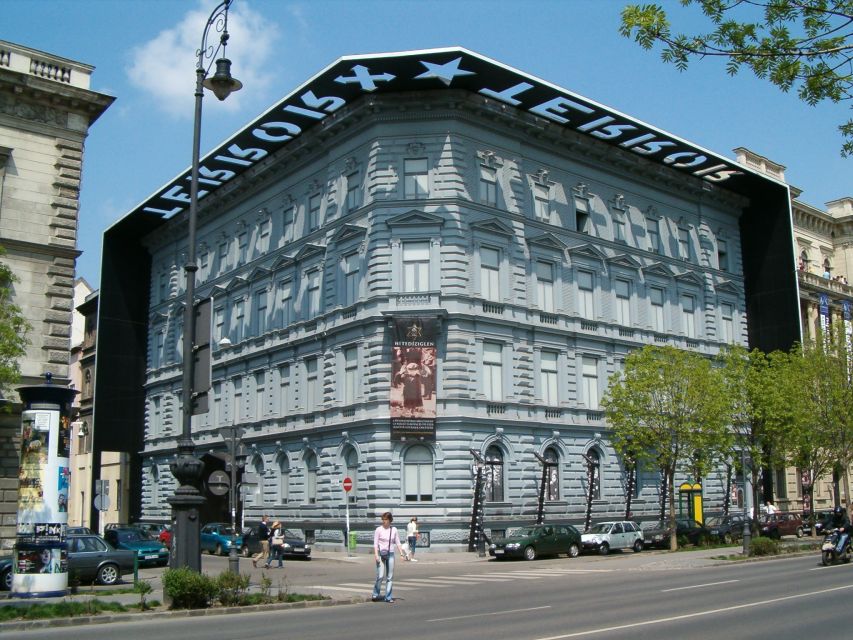
House of Terror or Statue Park: Seeing the Remnants, Not Just the Story
The experience is tied to a “Life Under Communism” theme with a stop connected to either House of Terror or Statue Park (depending on which option you choose). Even when a topic is heavy, I like having a physical place to anchor what you hear.
Here’s the practical value of that kind of stop: it turns abstract ideas into visible reminders. The tour is described as highlighting how decades of communism impacted Hungary and pointing out remnants that remain today. So, you’re not only learning what happened—you’re training your eye to recognize what’s still there.
Potential drawback: if you’re expecting this to function like a full museum day with deep exhibit time, this tour is only 3 hours. It’s likely more focused on connecting themes and helping you interpret what you see, rather than exhausting every detail of a site.
Every-Day Life in Budapest: How the System Shows Up in Routine
The core promise is straightforward: you’ll get an overview of how the communist system worked, and you’ll learn the details of everyday communist life in Budapest. The guide also aims to show how those decades still echo in what’s left in the city.
What makes this valuable for a visitor is the shift from political theory to daily reality. When someone explains how a system works on multiple levels, it often means you’ll hear about power and rules on one hand, and consequences for ordinary people on the other. That combination is what helps you make sense of the city beyond architecture and monuments.
A theme you’ll likely notice during the discussion is contrast. The tour description explicitly frames it as a picture of life “back then” compared with changes over the past fifty years. That’s the right approach for travel, because you don’t want history as a separate chapter—you want it to connect to what you experience while walking around Budapest today.
If you’re the type who likes to understand why places feel the way they do, this is a strong fit. You’ll come away with a better sense of how society, daily behavior, and public spaces can be shaped by politics, even long after the era ends.



A Route That Moves: Pickup, Shared Walk, and Public Transit Time
This tour includes pickup. Your guide meets you at your accommodation in Budapest, then you head together to the first stop. After that, the experience involves moving around during the 3-hour time window.
One of the review notes highlights that there’s a chance to ride the public transportation system and see parts of Budapest you might otherwise miss. That’s a real travel advantage. Budapest’s transit isn’t just a way to get somewhere—it’s a way to see how people actually move through the city.
Two practical tips for you:
- Wear comfortable shoes. This is a learning tour, but your body still needs to keep up.
- If you’re sensitive to cold or rain, dress for the weather. The program advises weather-appropriate clothing.
Also remember: transportation isn’t included as part of the fee, even though the guide may take you via public transit. So it’s smart to budget for transit costs depending on the route.
Value and Pricing: What $282 per Group Buys You
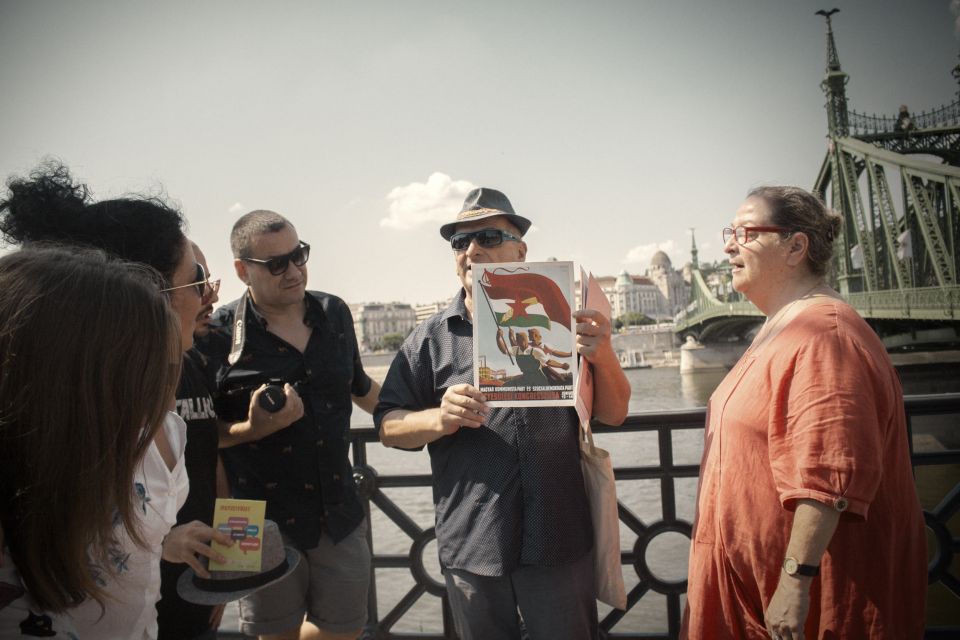
The price is $282 per group up to 5, for about 3 hours. That structure matters. You’re not paying per person like a standard walking tour. You’re paying for a small-group, private-format experience that includes pickup and an interactive presentation with printed materials.
So when does it feel like good value?
- When you want more conversation than a normal group tour offers
- When you’re traveling with a small group and can split the cost
- When you care about context and interpretation, not just seeing a few sites
If you’re traveling solo, $282 can still be worth it if you’ll actually use the private format. The best part isn’t just information. It’s the fact that the guide can tailor the discussion to you, including questions and pacing.
Where it might feel less worth it: if you only want a quick overview and you dislike structured presentations. Since the experience includes an interactive lecture component, it’s built for people who want to learn actively.
Who This Tour Fits Best (And Who Might Prefer Another Option)
This experience is a strong match if you’re a history-minded traveler who wants to understand how political systems affect ordinary people. It also works well if you like interactive learning: the tour is built around dialogue and adjustment to the group.
You’ll also likely enjoy it if you appreciate a trip that starts with a symbolic place—like Bambi Eszpresszó—and then connects that mood to what you see later at a major site option like House of Terror or Statue Park.
On the other hand, this tour may not fit you if:
- you need a fully seated experience (it’s not suitable for mobility impairments)
- you’re only looking for a lightweight, casual stroll
- you want food included (food and drinks aren’t part of the package)
Practical Tips So You Get More Out of the 3 Hours
I recommend treating this like an active class, not a passive sightseeing tour.
Bring:
- Comfortable shoes
- Weather-appropriate clothing
- Comfortable clothes you can move in
Use the interactive nature to your advantage. If there’s a theme you care about—daily life, how the system operated, or what remains visible in Budapest—ask early. The feedback emphasizes that the guides can adapt the tour to group interests, so you’re not stuck waiting for a generic explanation.
And if you have any special requests, the guide service says they’ll do what they can to adapt. That flexibility is part of the overall quality signal.
Should You Book This Tour?
If your goal is to understand communist-era life in Budapest in a way that feels personal and practical, this is an excellent choice. The standout strengths are the interactive, tailored guidance by Annamaria and Miklós, the smart start at Bambi Eszpresszó, and the chance to connect story to visible remnants at a major site option like House of Terror or Statue Park.
Book it if you like learning through conversation and you want your time to feel focused instead of rushed. Skip it if you need a low-mobility, purely observational tour or if you’re looking for food and drink as part of the plan.
FAQ
How long is the tour?
The tour lasts 3 hours.
Where does the tour start?
It starts at Bambi Eszpresszó.
Is pickup included?
Yes. The guide meets you at your accommodation in Budapest and then you go together to the first stop.
Is this a private tour?
Yes. It’s a private group.
What languages are available?
The live guide is available in English, German, and French.
What’s included in the price?
You get an interactive, personal presentation plus some printed materials, notebooks, and pens.
Are food, drinks, or transportation included?
Food and drinks are not included. Transportation is also not included.
Is the tour suitable for people with mobility impairments?
No, it is not suitable for people with mobility impairments.