Things to do
Folklore performances Print E-mail

Folk dance

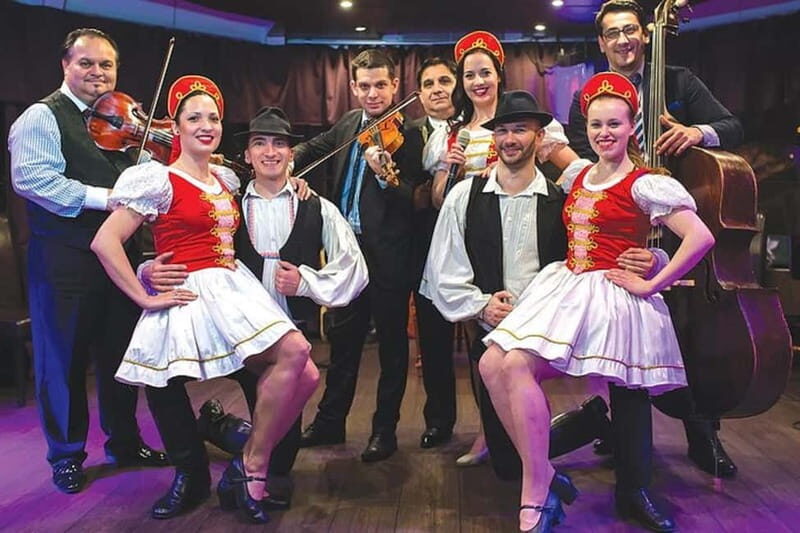
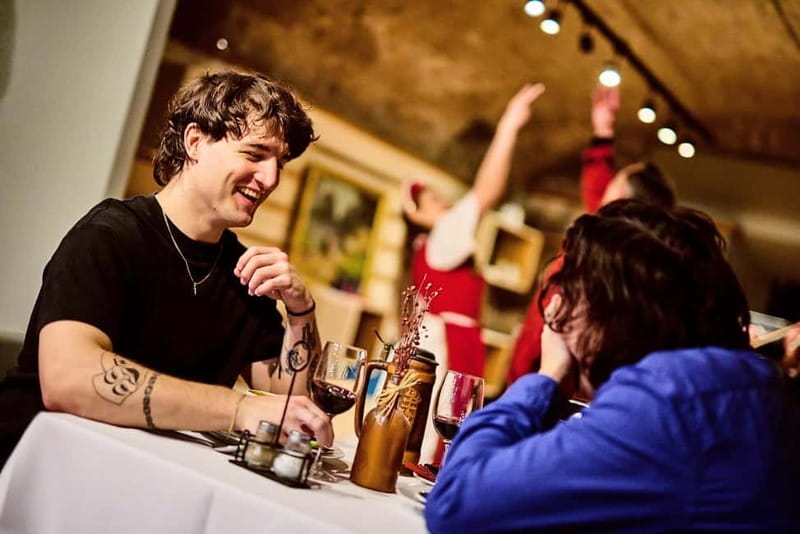
If you come to Budapest,  you have to visit Folk performance.

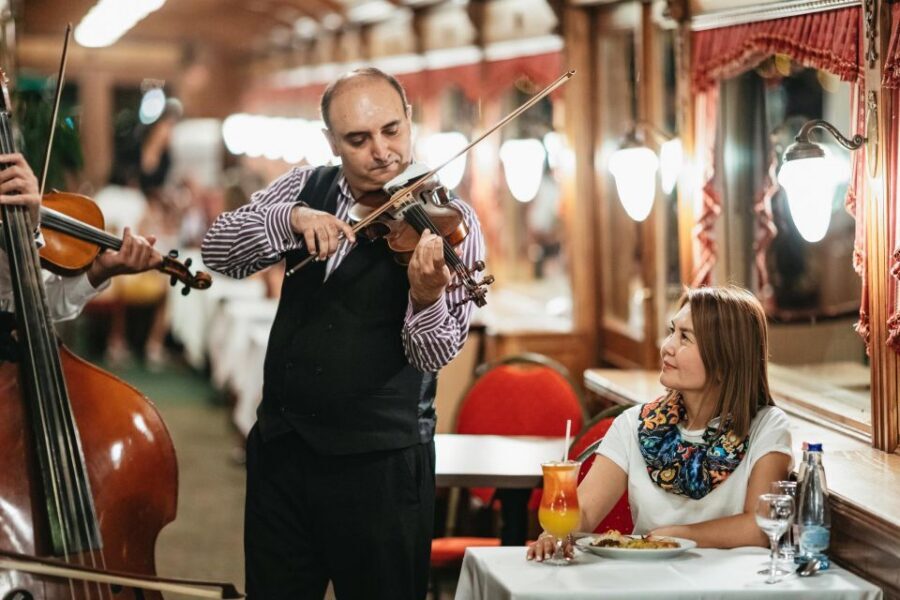
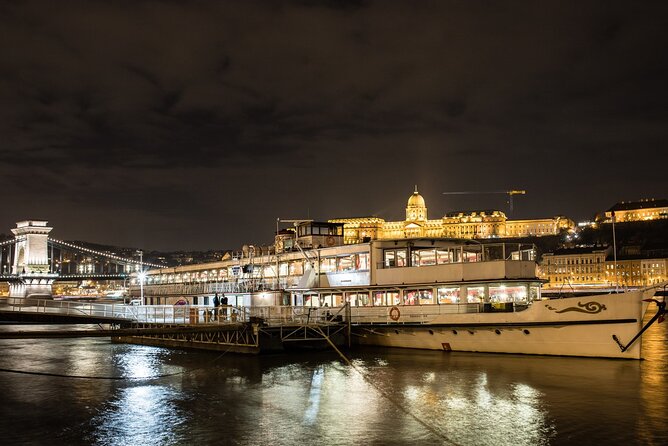
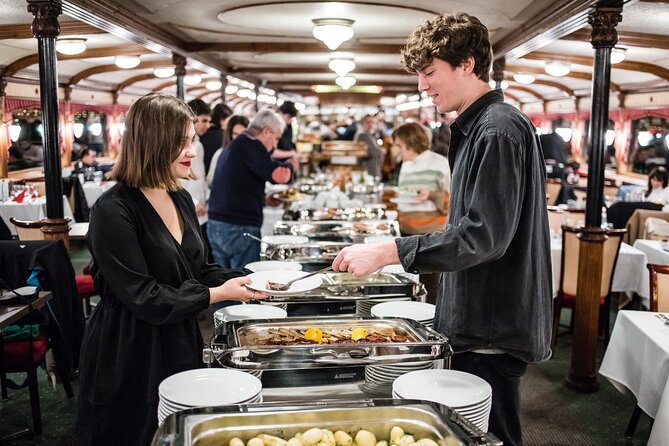
There are folk performances in restaurants, on ships on the Danube river, but the most impressive ones are given by big professional folk ensembles.


Read more...
 
Rock & Jazz Print E-mail

Big Mambo. Maria utca 48. Tel: (361) 210 3436. [Open seven days a week]

Budapest Jazz Forum. Erzsébet krt. 23. Tel: (361) 342 2461. [Mostly mainstream jazz. Live music each day at 21.00. Fine pizza and beer]

Old Man's Music Pub.. Akácfa ucta 13. Tel: (361) 322 7645. [Everyday at 9pm]

Szt. Kristof Jazz Galaria.. Árpád u.1. Tel: (316) 226-0145.

The Jazz Garden. 1053. Budapest, Veres Pálné u. 44/a. Tel: (+ 36-1) 266-7364 Fax: (+36-1) 266-7365.

Fél 10 Jazz Klub III. Baross u. 30

Fat Mo's Music Club. Nyári Pál u. 11 phone: 1/267-3199

Irish Cat Pub. Múzeum krt. 41 phone: 1/266-4085

 
Organ concerts Print E-mail

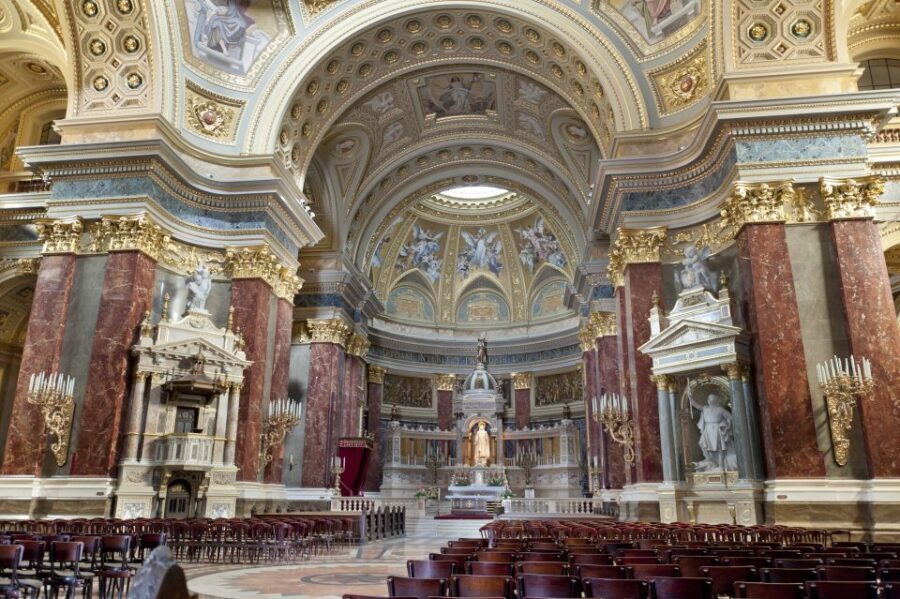
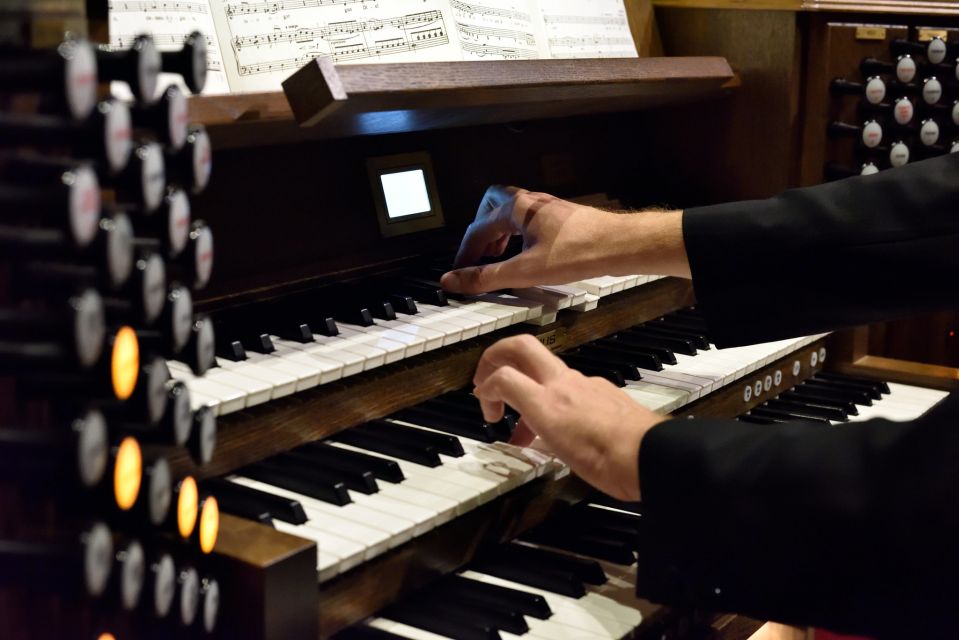
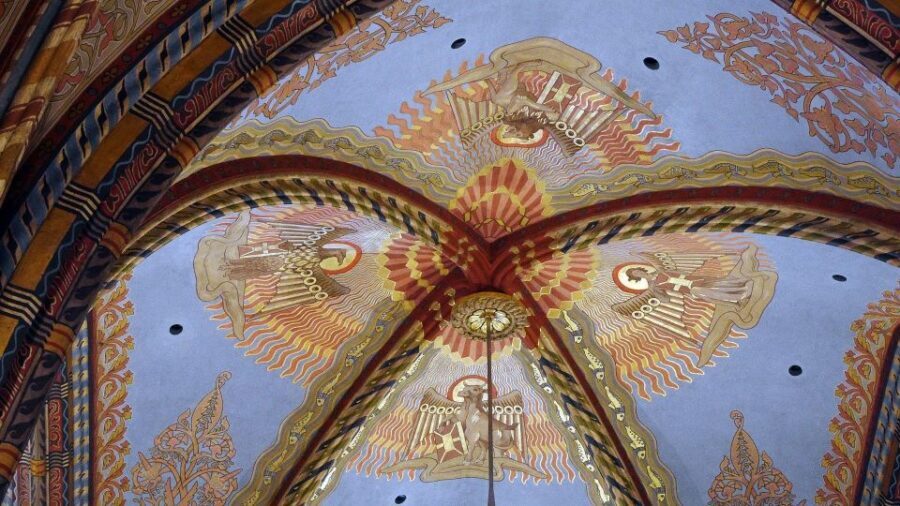
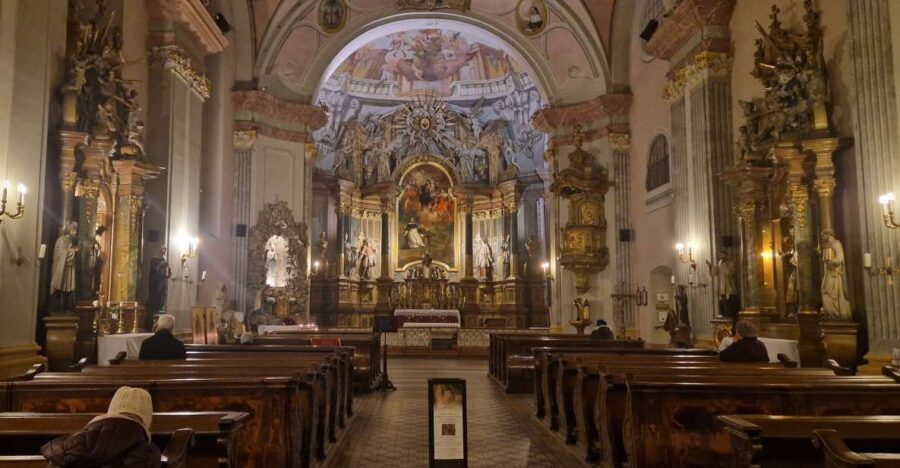
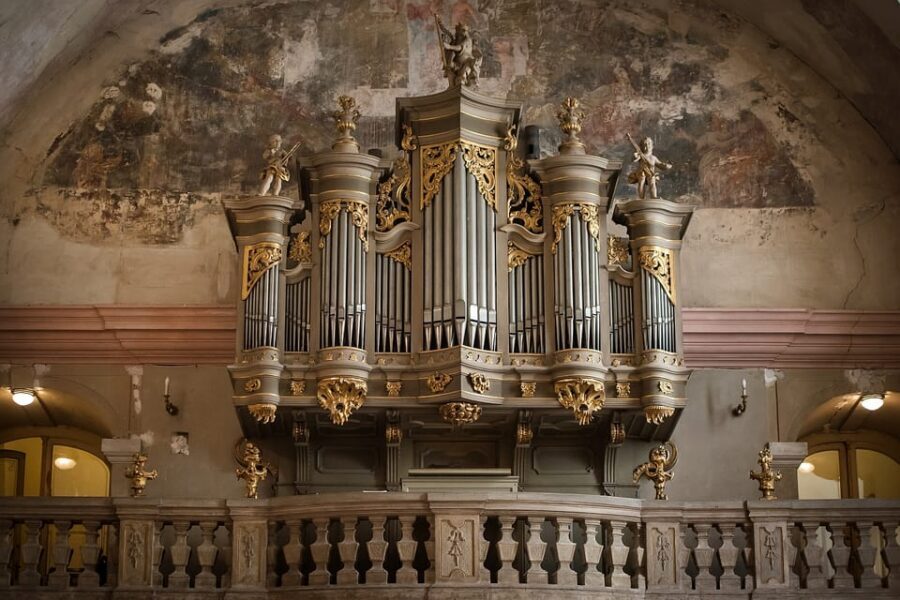
The St. Anne Church makes home for  organ concerts. The St. Anne Church is one of the most beautiful baroque buildings of Budapest (picture gallery ). The construction of the church started in 1740, according to the plans of Kristóf Hamon, and was completed by Mátyás Nepauer in 1761. In the next 200 years the church suffered from wars, floods and earthquakes, even it was planned to be demolished, owing to the construction of the metro network. Fortunately this plan was not realised, and the church was reconstructed between 1970-1984.Organ in St Anne church

The program of the concert was adapted for the organ of this church by Gábor Lehotka,  professor of the Academy of Music in Budapest. Anasztázia Bednarik, Miklós Teleki and László Attila Almásy regularly give concerts in Hungary, Austria, Germany and Switzerland.

You can book your tickets online here: Programs in Budapest 

Read more...
 
Symphony concerts Print E-mail
The Danube Symphony Orchestra

Hungarian classical music has long been an "experiment, made from Hungarian antedecents and on Hungarian soil, to create a conscious musical culture [using the] musical world of the folk song".  Although the Hungarian upper class has long had cultural and political connections with the rest of Europe, leading to an influx of European musical ideas, the rural peasants maintained their own traditions such that by the end of the 19th century Hungarian composers could draw on rural peasant music to (re)create a Hungarian classical style. For example, Béla Bartók and Zoltán Kodály, two of Hungary's most famous composers, are known for using folk themes in their music. Bartók collected folk songs from across Eastern Europe, including Romania and Slovakia, whilst Kodály was more interested in creating a distinctively Hungarian musical style. Other famous Hungarian composers are Franz Liszt and Ferenc Erkel.

Budapest has been an important part of the music of Hungary. It is a home of few of the world famous hungarian symphony orchestras.

Read more...


Programs in Budapest

Program search:
Select a start and end date of your visit to Budapest and find what programs are available during your visit.
Start:
End:
Complete list of programs

eWeather

Budapest, Hungary
Temp: 57°F
Wind Chill: 57°F
Humidity: 100%
Speed: 6 mph
Direct.: 80°
Barom.: 29.88 in
E
Show more details
Provided by: 

Folklore

Folk dance

Folk dance: The Hungarian State Folk Ensemble the Danube Folk Ensemble and Rajkó Folk Ensemble are three of the best Hungarian folk ensembles with the longest tradition (the first one was formed in 1951, and the second one in 1957), which have performances all around the country and abroad. Read more ...

Organ concerts

Organ concert

The program of the concert was adapted for the organ of this church by Gábor Lehotka,  professor of the Academy of Music in Budapest. Anasztázia Bednarik, Miklós Teleki and László Attila Almásy regularly give concerts in Hungary, Austria, Germany and Switzerland. Read more ...

Symphony concerts

Symphony concert

Hungarian classical music has long been an "experiment, made from Hungarian antedecents and on Hungarian soil, to create a conscious musical culture [using the] musical world of the folk song".  Although the Hungarian upper class has long had cultural and political connections with the rest of Europe, leading to an influx of European musical ideas, the rural peasants maintained their own traditions such that by the end of the 19th century Hungarian composers could draw on rural peasant music to (re)create a Hungarian classical style. Read more ...


RocketTheme Joomla Templates