REVIEW · CLASSICAL MUSIC CONCERTS
Budapest: Organ Concert in St. Stephen’s Basilica
Book on GetYourGuide →Operated by Hungaria Koncert Ltd. · Bookable on GetYourGuide
An organ concert inside Budapest’s grand basilica. That alone is a good reason to go. This one adds vocal highlights and even a flute break, all set inside St. Stephen’s Basilica.
I especially liked the way the program balances big names with variety. You get arias performed by Kolos Kováts, plus a flute performance by Eleonóra Krusic, with the organ filling in the rest of the musical story. It feels like you’re hearing more than one art form, not just sitting through background music.
One thing to consider: pick-up and drop-off are not included. If you’re not already near central Budapest, you’ll want a simple plan for getting to the basilica.
In This Review
- Key things worth knowing before you sit down
- St. Stephen’s Basilica: why this venue makes an organ concert feel real
- The performers you’ll recognize right away on the program
- The full musical arc: from Mozart Fantasie to Bach’s Toccata and Fugue
- Ticket categories and where you sit: rows I, II, III
- Timing at 19:40: simple steps so you don’t stress
- What’s included (and what isn’t): value math that actually helps
- Who this Budapest organ concert suits best
- Should you book this concert at St. Stephen’s Basilica?
- FAQ
- What time should I arrive?
- Where is the meeting point?
- What is included in the ticket?
- Are pick-up and drop-off included?
- Who performs in the concert?
- What ticket categories are available and what do they mean?
- What pieces are on the program?
Key things worth knowing before you sit down

- St. Stephen’s Basilica is the real star: it is the venue, so the building does part of the work for the sound.
- Kolos Kováts brings the vocal center: his arias are part of the program, and he has major Hungarian honors to his name.
- Eleonóra Krusic adds flute color: the flute performance changes the texture and keeps the program moving.
- You’ll hear both famous and specific works: the list runs from Mozart and Bach to Liszt/Saint-Saëns and Verdi.
- Pick your row based on what you want: categories I, II, III map to rows 1–6, 7–16, and 17–26.
- It’s ticket-only: the concert ticket is included, but transport help is not.
St. Stephen’s Basilica: why this venue makes an organ concert feel real

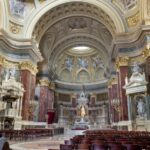
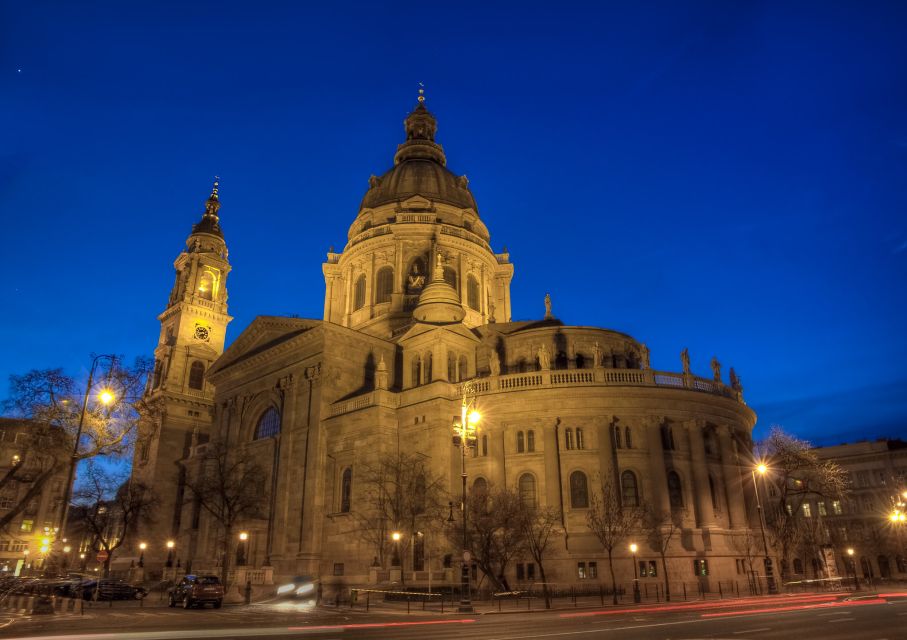
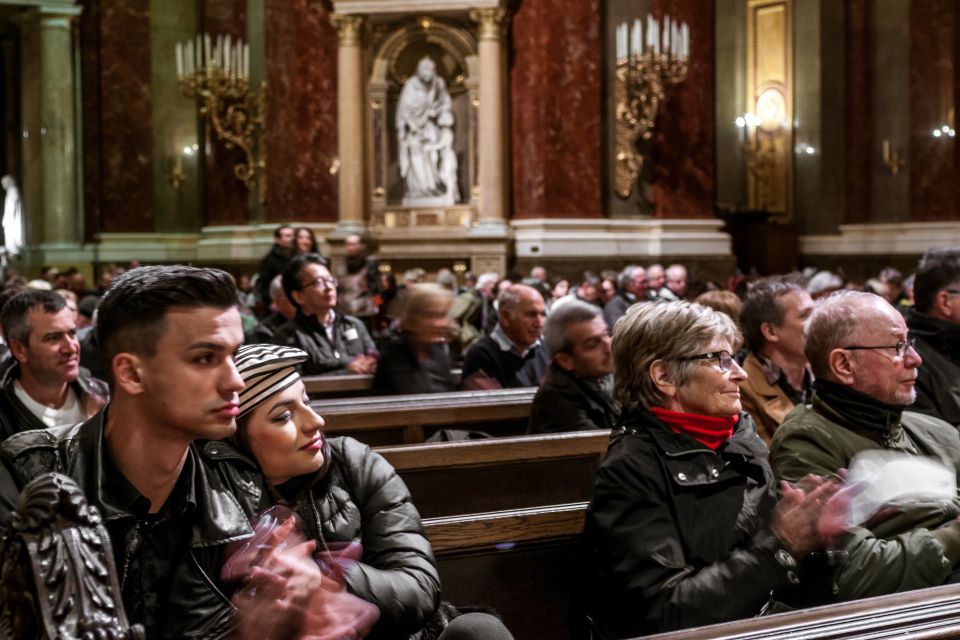
Budapest’s St. Stephen’s Basilica is one of those buildings you notice the moment you see it: a neo-classical look, built for grandeur, not subtlety. That matters, because organ music relies on space. You want a room that helps notes breathe and carry, not one that swallows sound.
Here, the basilica is not just a backdrop. It is the concert hall. So when the organ starts and the vocal lines enter, you’re hearing music in the kind of setting that makes the contrast more dramatic. Instrumental passages feel weighty. Vocal moments feel more direct, like the music is speaking rather than performing at you from far away.
Also, there’s a practical bonus: arriving at a landmark basilica means you can find your bearings fast. Meeting time is given clearly, and you’re not hunting for a mystery address in a side street.
You can also read our reviews of more tours and experiences in Budapest


The performers you’ll recognize right away on the program
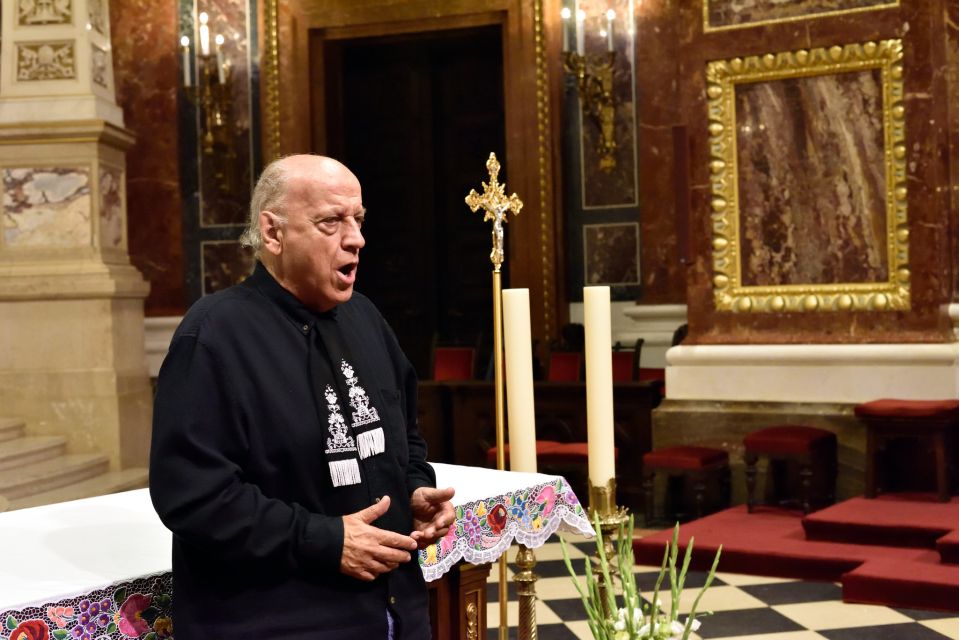
This concert is built around a strong vocal lineup. Kolos Kováts is listed for the program’s arias, and he’s also described as one of Hungary’s most famous and talented concert and oratorio singers. He received the Liszt Ferenc prize, the Merit of Art, and the Kossuth Prize. That credential list matters because it signals an experienced singer who likely knows exactly how to shape phrasing for a live hall.
You also have Miklos Teleki in the performance highlights. The information you’re given confirms he performs in the concert, even if it doesn’t spell out which specific pieces are his. The important thing for you is that the show includes more than one vocal presence, which usually helps a program like this feel less one-note.
Then there’s the flute, played by Eleonóra Krusic. She has performed many times and in many orchestras in Hungary and abroad in recent years. In plain terms: you should expect flute playing that sounds confident and controlled, not a last-minute addition. The flute helps the concert shift color from the organ’s deep foundation to something lighter and more agile.
The full musical arc: from Mozart Fantasie to Bach’s Toccata and Fugue
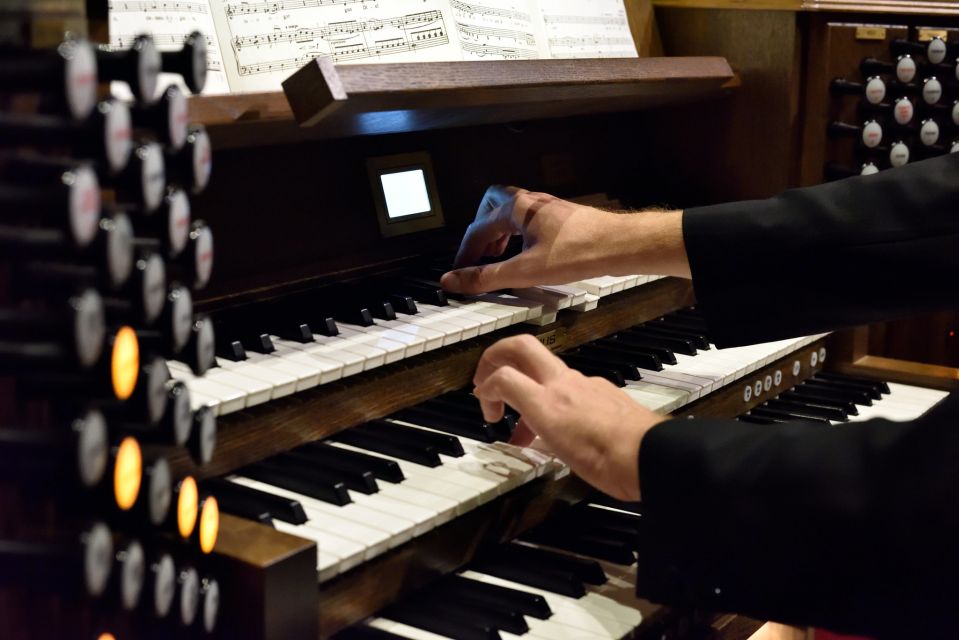
The program is a curated mix of vocal pieces, organ works, and instrumental highlights. Even without extra stage commentary, the order gives you a clear listening journey. You move from classical elegance into more dramatic, devotional tones, and then end with Bach’s famously high-energy climax.
Here’s what’s on the program, in the order it’s listed:
- Wolfgang Amadeus Mozart: Fantasie in F minor K 506
This opens with a Mozart work that leans into emotion and tension. It’s a good starter because it tells your ear how the concert will feel: not stiff or academic.
- Alessandro Stradella: Pietà Signore
This is the kind of title that signals prayerful, lyrical singing. It’s one of those pieces that can make you stop thinking of the concert as just notes and start listening for phrasing.
- Tomaso Albinoni: Adagio
An adagio slows things down. You get a chance to hear how the hall handles sustained lines, especially as the concert moves between voices and instruments.
- Liszt Ferenc and Camille Saint-Saëns: Legend in A major (St. Francis of Assisi’s Sermon to the Birds)
This selection is vivid by name, tied to an image of birds and a sermon. The title alone hints at a lighter mood, so it works well after the slower work(s). It also gives the flute and vocal elements room to shine if they are featured around this moment.
- Giuseppe Verdi: Prayer of Fiesco from opera Simone Boccanegra
Verdi’s prayer writing is often intense and intimate at the same time. It’s a strong middle-piece because it usually brings out the “story” feeling of an aria, even if you don’t know all the background.
- Johann Sebastian Bach: Polonaise, Minuet and Badinerie from Suite in B minor BWV 1067
These are recognizable court-dance style movements. This section tends to make listeners smile, even if you’re not a hardcore classical fan. It’s music with shape.
- Johann Sebastian Bach: Toccata and Fugue in D minor BWV 565
The closer. Bach’s toccata and fugue is a serious finish, the kind that leaves the hall buzzing in the minutes afterward. If you’ve ever wanted one “final boss” piece in an organ setting, this is your moment.
One tip for your listening: go in ready to switch modes. The concert goes from devotional and lyrical to dance-like and then to intense counterpoint. If you treat it like a single continuous mood, you might miss how much the program is doing on purpose.
Ticket categories and where you sit: rows I, II, III
Your seat choice is split into three ticket categories:
- Category I: rows 1 to 6
- Category II: rows 7 to 16
- Category III: rows 17 to 26
Since the experience is centered on both the organ sound and the vocal/flute performances, your row choice affects how “close” the performance feels. Rows 1–6 generally suit you if you want the best chance to catch facial expression and performer detail. Rows 7–16 often feel like a solid compromise for value. Rows 17–26 can work if you’re budget-minded and happy to focus on sound more than sightlines.
If you’re unsure, ask yourself one question: do you care more about being close to the stage or saving money? The categories are clearly defined by row numbers, so you can make that decision without guesswork.
Timing at 19:40: simple steps so you don’t stress
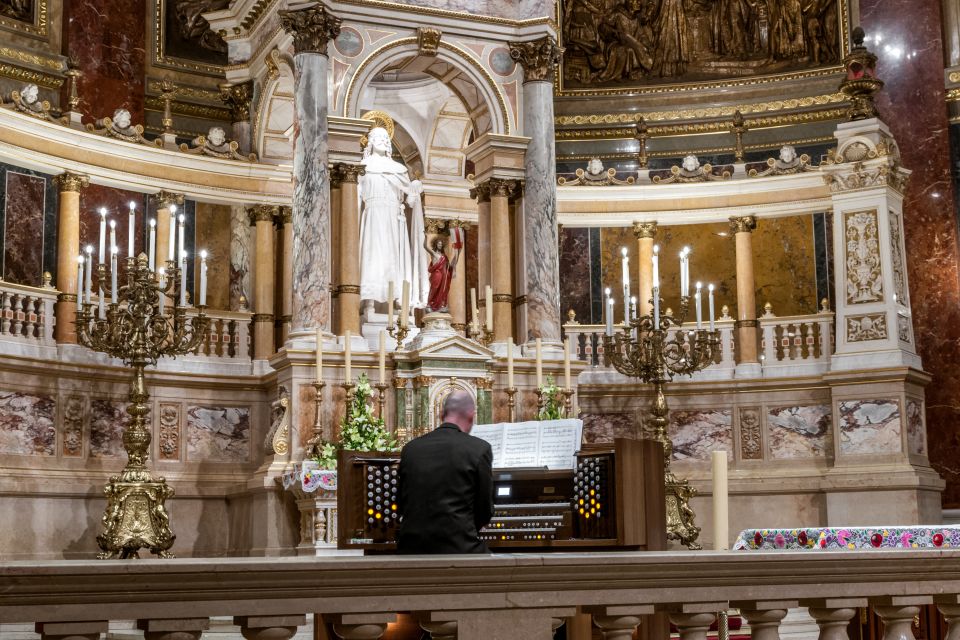
The meeting point instruction is straightforward: arrive at St. Stephen’s Basilica at 19:40. That’s not a suggestion. In a basilica setting, you want time to find your entrance, locate your seating area, and settle in before the first notes.
My practical advice is boring, but it works:
- Get there with a little buffer.
- Have your ticket ready.
- Use the time before the music starts to get oriented in the basilica so you’re not doing mental math mid-performance.
Also, remember this is central Budapest. If you’re coming by public transit or on foot, plan for delays the way you would for any popular evening event in the city.





What’s included (and what isn’t): value math that actually helps
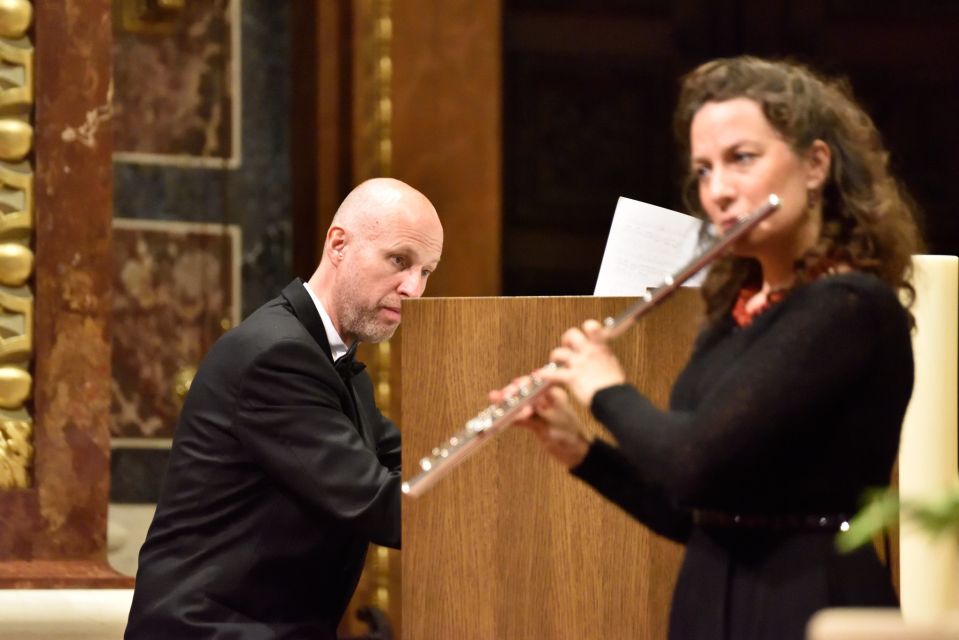
What’s included is simple: concert tickets. That’s it. No pick-up and drop-off is included, though it is available for an extra cost.
So the value question for you is really: can you get to St. Stephen’s Basilica without paying for extra transfer? If your hotel is already in central Budapest, you’re likely fine. If you’re staying farther out, you’ll want to price that commute against the ticket savings you get by choosing a lower category.
The provider is Hungaria Koncert Ltd. Knowing the provider can help if you’re comparing options or trying to keep all details in one place.
In short: this is pay-for-the-music value. It’s not a bundled dinner-and-transport package. If you like that kind of clean deal, it fits. If you want door-to-door help, budget for it.
Who this Budapest organ concert suits best
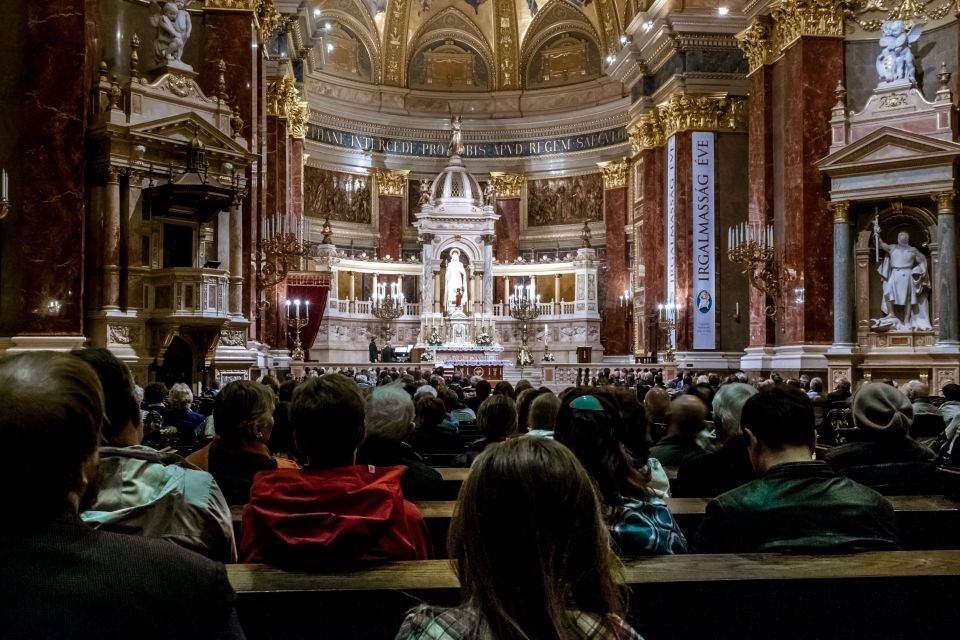
This experience is best for you if you like classical music that mixes sections rather than staying in one lane. The combination of organ works, vocal arias, and a dedicated flute performance gives you variety, and the program includes heavyweights like Mozart, Bach, Verdi, and Liszt/Saint-Saëns.
It’s also a good pick if you’re curious about the Hungarian scene. Kolos Kováts’ listed honors make this feel rooted in local excellence, not just international-famous names dragged in for a tourist-friendly night.
On the other hand, it may not be your cup of tea if you want a casual, casual-easy evening with lots of sightseeing stops. This is a single-venue concert. You’ll get one focused experience, not a tour of several sights.
Should you book this concert at St. Stephen’s Basilica?
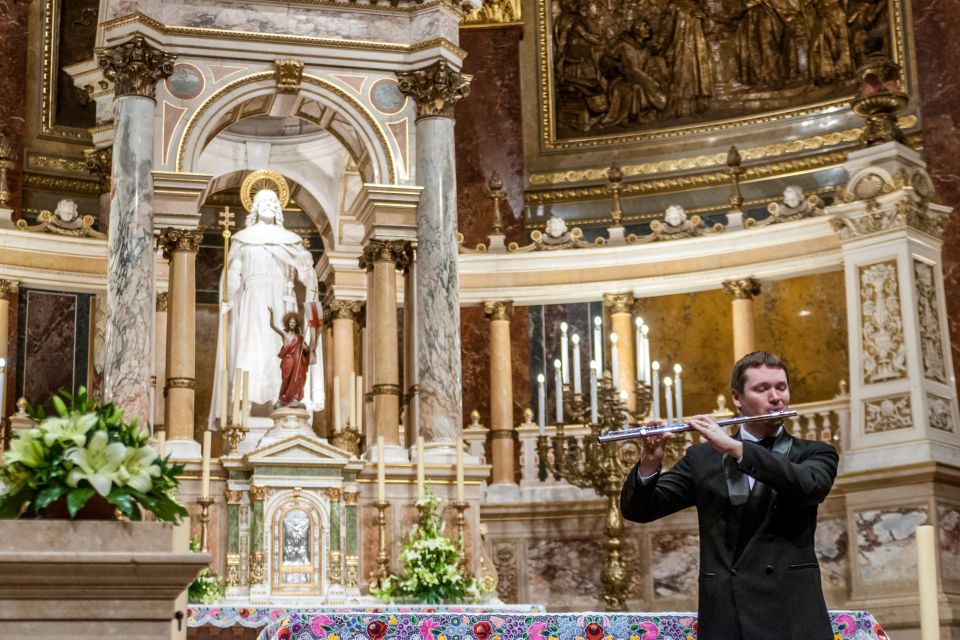
Book it if you want a memorable Budapest night centered on music in a major basilica setting, with vocal talent (Kolos Kováts and Miklos Teleki) and a proper flute performance (Eleonóra Krusic). The program includes a strong arc from Mozart and Baroque-era pieces to Bach’s big finish, so you’re unlikely to feel the show is repetitive.
Skip or rethink if you need bundled transport, because pick-up and drop-off aren’t included. If getting to the basilica will be a hassle for you, that extra cost may erase some of the ticket value.
If you can get there at 19:40 without stress, this is exactly the kind of concert evening that turns a list of famous works into a real night in Budapest.
FAQ
What time should I arrive?
Please come to St. Stephen’s Basilica at 19:40.
Where is the meeting point?
The meeting point is St. Stephen’s Basilica in Budapest.
What is included in the ticket?
The experience includes concert tickets.
Are pick-up and drop-off included?
No. Pick-up and drop-off are not included, but they may be available for an additional cost.
Who performs in the concert?
The highlights list performances by Miklos Teleki and Kolos Kováts, plus a flute performance by Eleonóra Krusic.
What ticket categories are available and what do they mean?
There are three categories based on row number:
- Category I: rows 1–6
- Category II: rows 7–16
- Category III: rows 17–26
What pieces are on the program?
The program includes works by Mozart, Stradella, Albinoni, Liszt/Saint-Saëns, Verdi, and Bach, including Mozart’s Fantasie in F minor K 506 and Bach’s Toccata and Fugue in D minor BWV 565, plus Bach’s Polonaise, Minuet and Badinerie from Suite in B minor BWV 1067.