REVIEW · BUDAPEST
Art Nouveau Treasures of Budapest – Exclusive Private Tour
Book on Viator →Operated by Fungarian · Bookable on Viator
Budapest’s Art Nouveau is hidden in plain sight. This private tour in Hungarian Secessionist style mixes expert commentary with a route built for seeing more than facades.
Two things I love are the chance to see Miksa Róth stained glass in a century-old apartment, and the way the guide, Miklós, keeps the design talk clear and human. You get history without it turning into a lecture.
One caution: Central Market Hall entry isn’t included, and you’ll rely on public transportation tickets on your own.
In This Review
- Quick hits: What makes this Art Nouveau tour worth your time
- Why Art Nouveau in Budapest is more than pretty buildings
- Price and logistics: what you’re really paying for
- Stop 1: Central Market Hall, then straight to the story
- Crossing to Gellért hill: bridges as your free viewpoint upgrade
- Stop 2: St. Gellért Thermal Bath and Swimming Pool in Secession style
- Bridging to the palace views: the Royal Palace angle
- Stops 3 and 4: Ödön Lechner’s Hold utca Postal Savings Bank
- Stop 5: Gutenberg Square and Miksa Róth’s glasswork
- The finish: stained glass treasure in a century-old private apartment
- What you’ll learn (without turning it into a lecture)
- Who this tour is best for
- Small planning tips that make the tour smoother
- Should you book Art Nouveau Treasures of Budapest
- FAQ
- Is this tour private?
- How long is the Art Nouveau Treasures of Budapest tour?
- What language is the tour in?
- Does the tour include pickup?
- Are admission tickets included for the stops?
- Does the tour accommodate most travelers?
Quick hits: What makes this Art Nouveau tour worth your time
- Art historian-led design explanations as you walk, so details actually make sense
- Hotel Gellért interiors (lobby and restaurant areas) in addition to exterior views
- Miksa Róth stained glass at the finish, in a private apartment
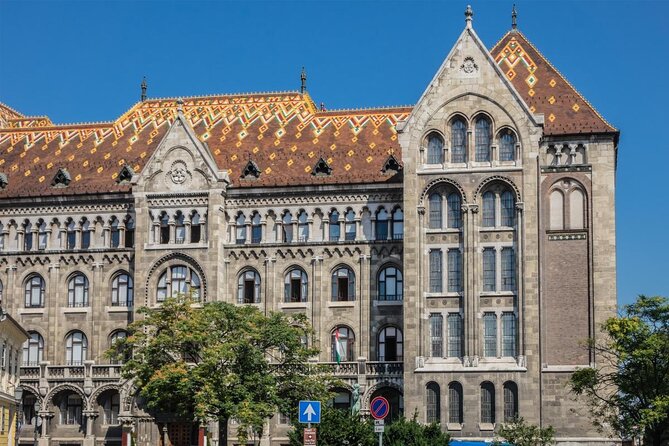
- Ödön Lechner’s Hold Street Postal Savings Bank with colourful tile and folk motifs
- Danube views from the bridges plus a scenic approach toward Gellért hill
- Private group up to 5 with customizable start time
Why Art Nouveau in Budapest is more than pretty buildings
Budapest’s Art Nouveau is often called Hungarian Secession, and it has a very different feel from the more famous Belgian/French versions. Here, you’ll see how artists and architects used materials, patterns, and symbolism to turn everyday buildings into statements.
What I like about this tour is that it’s not just a checklist of stops. You’ll get an expert art historian guide style of explanation as you move through the city, so you learn what to look for while you’re standing in front of it.
And because it’s private (up to 5 people), you can ask questions in the moment instead of waiting for a crowd to catch up.
You can also read our reviews of more private tours in Budapest



Price and logistics: what you’re really paying for
The price is $261.67 per group (up to 5) for about 2.5 to 3 hours. That sounds steep until you break it down: if your group is full, it’s roughly $52 per person, which is pretty solid for a private, multi-expert experience.
Here’s the logistics reality: it’s designed for walking plus public transportation, not private car service. Pickup is offered, either at your Budapest hotel or from a central meeting point you agree on ahead of time, and the tour includes a mobile ticket.
One more thing to plan for: Central Market Hall admission is not included, while several other stops are listed as free. If you’re trying to keep costs tight, budget for that one paid entry.
Stop 1: Central Market Hall, then straight to the story

The tour starts at Central Market Hall (1093). You get about 20 minutes, and admission there is explicitly not included, so bring your wallet for that one.
What makes this start smart is timing and pace. You begin in a central, recognizable hub, and then you transition quickly into the design-focused route. Even with limited time here, it sets the tone: this isn’t a slow stroll through random architecture. It’s a curated walk that keeps you moving.
Crossing to Gellért hill: bridges as your free viewpoint upgrade
Between stops, you’ll walk across one of Budapest’s most beautiful bridges. The goal is simple: use the city’s best views while you’re on the move, not after you’ve gone home for the day.
From there, the route heads to the foot of Gellért hill, where the next chapter of the design story begins. Expect this part to be scenic, and also useful for getting oriented—especially if it’s your first time in Budapest.
The practical side: you’re outside and walking, so comfortable shoes matter. You’ll also want to dress for weather because the timing is tight and you’re not sitting around for long.
Stop 2: St. Gellért Thermal Bath and Swimming Pool in Secession style
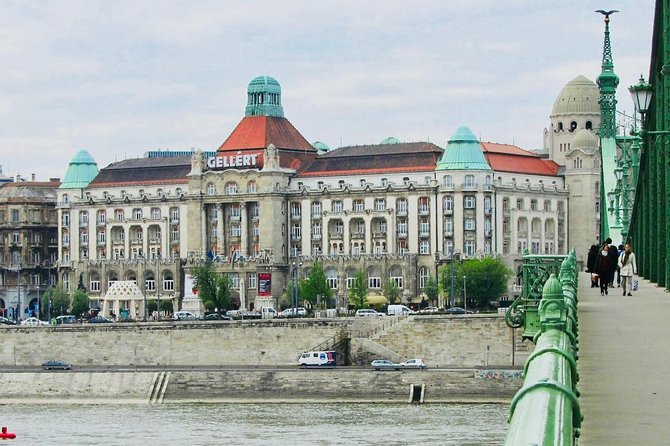
At St. Gellért Thermal Bath and Swimming Pool, you’re not just looking at a building—you’re stepping into a landmark that’s tied to daily life and leisure. Hotel Gellért is described as an iconic bath and hotel on the western bank of the Danube, and it’s “dominantly” in the Secessionist style.
This is also one of the best moments for atmosphere. A review highlighted that the tour includes lobby and restaurant interiors that aren’t usually accessible without insider help. Even if you only get a short look, interior access is where Secession design can hit harder than exterior viewing.
What to watch for in this stop: how ornament and layout work together. You’ll get commentary from the art historian guide, so the design choices feel connected instead of random.
Time here is about 20 minutes, and the good news is admission at this stop is listed as free.






Bridging to the palace views: the Royal Palace angle
On the way to the next major Art Nouveau/Seccession palace stop, you cross Budapest’s first stone bridge. The route is built for views, and the payoff is a scenic look toward the grand Hungarian Royal Palace.
This is the kind of “between stops” segment that makes city-walk tours worth it. You don’t burn time waiting for the next location, and you still get a photo-worthy moment while you learn.
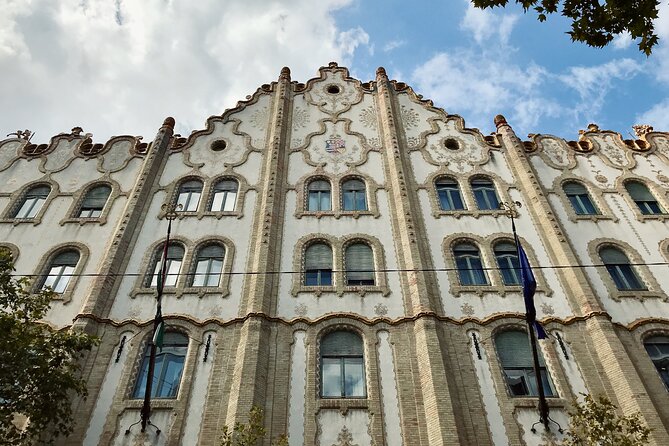
Stops 3 and 4: Ödön Lechner’s Hold utca Postal Savings Bank
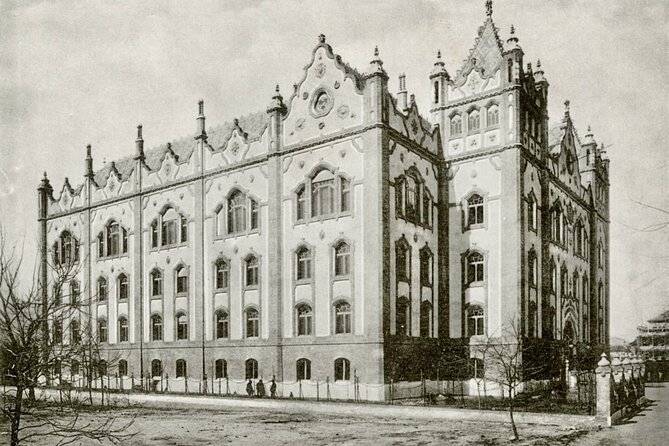
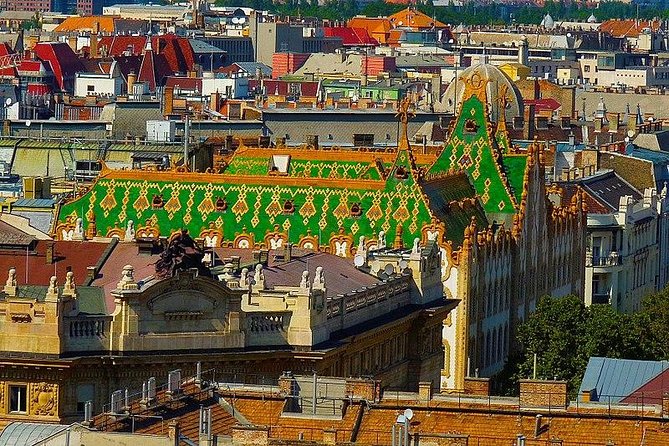
This is where the design focus gets very specific. The tour spends time at the Postal Savings Bank on Hold utca, described as one of the greatest examples of Secession artwork in the city. The standout name here is Ödön Lechner, credited with the building’s design in 1901.
The key detail I’d underline for your eyes: it’s an extravaganza of colourful tiles and folk motifs. Those elements aren’t decoration-on-top; they’re part of the identity of the building. When the guide explains what you’re seeing, it helps you read the building like a visual story.
The route lists two related stops here (one labeled “Nemzeti Bank” and then “Postal Savings Bank”), and both describe the same Hold utca artwork and the same Lechner/1901 background. Practically, that usually means you’ll spend time at the building area more than once, which helps because you can notice details from different angles.
Each of these is about 20 minutes and listed as free admission.
Stop 5: Gutenberg Square and Miksa Róth’s glasswork
After the Hold utca Secession focus, the tour heads toward Gutenberg Square in Budapest’s 8th district. Here you’ll see a fabulous art deco historic building, and you’ll get attention on the stairway lead-glass by Miksa.
This is another place where the tour logic works well. If you’ve spent earlier time with tiles and motifs, this stop shifts you toward light, glass, and the way staircases become design galleries.
You get about 15 minutes, and admission is listed as free. It’s short, so don’t expect a long sit-down moment—think of it as a concentrated look guided by someone who knows what matters.
The finish: stained glass treasure in a century-old private apartment
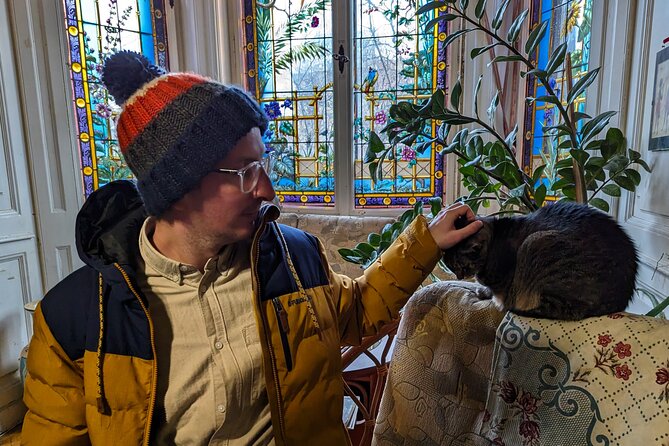
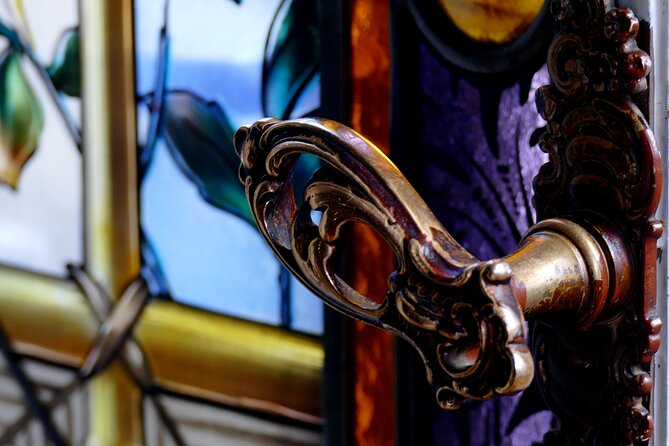
The tour ends at a century-old private apartment where you get an exclusive chance to see a stained glass window by Miksa Róth. This is described as a real hidden treasure, and it’s not something you’d stumble on as a regular walk-in.
This ending matters because it ties together everything you’ve been learning on the streets. Stained glass in a designed interior space shows you how Secession artists weren’t just decorating exteriors—they were building environments where light and symbolism become part of daily experience.
It also explains why the tour is private. Access like this is the kind of thing that works only when your guide has the right connections and you’re not pushing through a big crowd.
What you’ll learn (without turning it into a lecture)
I like tours where the guide helps you notice. In this one, that’s the job of the professional art historian guide plus the local guide team.
You’ll likely spend your time learning to connect:
- Architects and artists to the materials and motifs you see
- Style labels (Art Nouveau/Secession) to actual building features
- Why these details exist so they don’t just blur into “pretty ornament”
The design lovers I see most value in this type of explanation are people who enjoy architecture but want a guide to translate the visual language fast.
And it’s also great if you like practical storytelling. The guide is described as articulate and personable, and the energy comes through in how the tour flows—even when the weather doesn’t cooperate.
Who this tour is best for
This experience is a strong fit if:
- You love Art Nouveau / Secession design and want names like Ödön Lechner and Miksa Róth tied to real places
- You want private, small-group attention (up to 5) instead of a crowded bus-tour feel
- You care about interior access, especially the Hotel Gellért lobby and restaurant spaces
- You’re in Budapest for a short time and want a concentrated route in about 2.5–3 hours
It’s less ideal if you hate walking or you need lots of long breaks. The schedule is timed, and it’s meant to keep the design momentum going.
Small planning tips that make the tour smoother
- Wear comfortable shoes. You’re on foot through multiple neighborhoods and bridges.
- Plan for one paid entry at Central Market Hall since it isn’t included.
- Bring a small umbrella or rain layer if the forecast looks iffy; you’re outside between stops.
- If your start time matters, request a customizable starting time so the tour fits your day.
Should you book Art Nouveau Treasures of Budapest
I think you should book this tour if you want Budapest design without guesswork. The biggest draw is the combination: expert-led explanations plus access to spaces and glasswork most visitors never see.
It’s also good value when split among a group of 3–5 people, especially because you’re paying for real expertise, not just a walk and photos. If you’re traveling solo or as a couple, it’s still worth considering, but do compare it against your priorities—this is for people who truly care about Secession and Art Nouveau details.
One last practical note: if plans shift, there’s free cancellation up to 24 hours in advance for a full refund.
FAQ
Is this tour private?
Yes. It’s a private tour/activity, and only your group participates.
How long is the Art Nouveau Treasures of Budapest tour?
It runs about 2 hours 30 minutes to 3 hours.
What language is the tour in?
The tour is offered in English.
Does the tour include pickup?
Yes. Pickup is offered, and you can meet the guide at your Budapest hotel or at a central point you agree upon.
Are admission tickets included for the stops?
Central Market Hall admission is not included, and the tour lists some other stops as free. Public transportation ticket costs are not included.
Does the tour accommodate most travelers?
Most travelers can participate, and service animals are allowed.